What Should Be Done Today: Oskenyan Outlines Three Steps
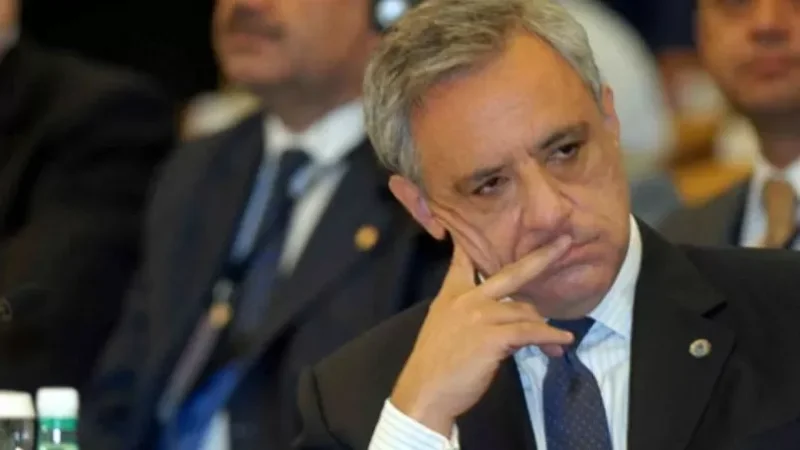
The former Foreign Minister of Armenia (1998-2008), Vardan Oskenyan, has provided an article to the media regarding the ongoing blockade of Artsakh and steps to open the road. Below, we present his insights.
"Immediately after the end of the Cold War, there were over fifty movements around the world related to self-determination and/or the sovereignty of countries. This number still fluctuates in this vicinity. Several of these movements—East Timor, Eritrea, South Sudan, and partially Kosovo—have already been resolved in favor of self-determination, and the international community has recognized their independence. Others, such as Quebec, Catalonia, and Scotland, have remained within their metropolitan states, but their issues can be considered temporarily resolved in favor of self-determination, as this status reflects the expression of the will of these peoples through referendums.
In other words, these peoples, albeit with a very small majority, have decided to remain part of their mother countries through referendums. The remaining self-determination movements remain frozen or in a negotiation state. If Armenia, the Armenian people, and Artsakh ever forcibly or voluntarily renounce their inalienable right to self-determination and accept Azerbaijan's sovereignty over Artsakh, it will set a precedent in the world that would earn us a low and humiliating assessment of the qualitative worthiness of the will of peoples.
It would also be regrettable that among the more than forty existing movements for self-determination today, the Artsakh self-determination movement has the strongest and most well-founded historical, legal, and political bases. Historically, the people of Artsakh have lived and survived in this territory for millennia. Moreover, today, the region most Armenian in our two countries—populated by Armenians—is precisely Artsakh. Throughout history, when Armenia has suffered from various nations' invasions, Artsakh has always maintained at least its semi-independent status.
Legally, the foundations of the right to self-determination for Artsakh are simply inviolable. The basic prerequisites for claiming the right to self-determination have been fully satisfied in the past and even today. The Armenians living in Nagorno-Karabakh are not a minority within Azerbaijan but a people living on their historical land, which has continuously suffered Azerbaijani brutality during the Soviet era, after its collapse, and especially with the 44-day war and the recent aggression and blockade, their rights of all kinds have been systematically violated by Azerbaijan.
Ultimately, regardless of the fact that the people of Artsakh will never accept any status within Azerbaijan, Baku seems to be unwilling to even offer them any autonomy within its borders. This constitutes a violation of international law, under which any people has the right to declare its separation or self-determination.
Politically, Artsakh has a negotiation history spanning more than three decades, during which at certain points, the international community, through the intermediaries, has considered the optimal way to peacefully resolve the issue as the free and unfettered expression of the will of the people of Artsakh.
What should be done today? We must set two simple and modest goals: resist and avoid signing any documents that imply Artsakh is part of Azerbaijan, and simultaneously consistently raise and keep the imperative of the right to self-determination of the people of Artsakh in the spotlight of the international community.
We should counter the unfavorable situation created for us as a result of the 44-day war with the aforementioned historical, legal, and political circumstances favorable to us. First, we are faced with the imperative of opening the Lachin corridor. No one will solve our problems for us—neither international organizations nor individual countries. Yes, effective diplomacy is necessary regarding the opening of the corridor, but the resolution of this issue on the ground must be our initiative. This should already be the result of a joint and somewhat bold decision by the authorities of Armenia and Artsakh. This is simply an issue whose prolongation or resolution at the cost of major concessions will signal the beginning of even greater losses.
Second, Yerevan must declare that the residents of Artsakh are Armenians and that it cannot be indifferent to their security issues. Third, Armenia must make it clear that ultimately the people of Artsakh will decide their status, which is enshrined in the Madrid Principles document. If the people of Artsakh continue to strive for self-determination, Armenia will invest its political and diplomatic means to support them in this matter.
This is the minimum that the Armenian authorities must do. I say minimum because expecting more is meaningless. The authorities have renounced Artsakh supposedly for the 'salvation' of Armenia. This, of course, is a delusion and unacceptable. What I propose, at the very least, does not exclude or hinder any initiatives aimed at the self-determination of the people of Artsakh."
Նմանատիպ հոդվածներ
In the Absence of Response, Russian Military Presence Creates Threats to Armenia's Security: Pashinyan
‘This is another bait’: Peskov on Russia’s negotiations with the EU
Pashinyan and Aliyev's Recent Speeches Confirmed That the Only Possible Choice for Artsakh Is Struggle: Ruben Vardanyan
Kremlin on Pashinyan's Proposal Regarding Peacekeepers
Ավելին Politics բաժնից
Այս ընտրությունները պետք է անվավեր ճանաչվեն․ Դանիել Իոաննիսյան
Հայկական ծիրանին են անդրադարձել․ ուշագրավ ուղերձ արտերկրից
Սենսացիոն հայտարարություն՝ Ադրբեջանից․ Փաշինյանը գնդակը նետել է Ռուսաստանի դաշտ