EU Decides Not to Recognize Russian Passports Issued in Regions Joined by Russia Following Referendums
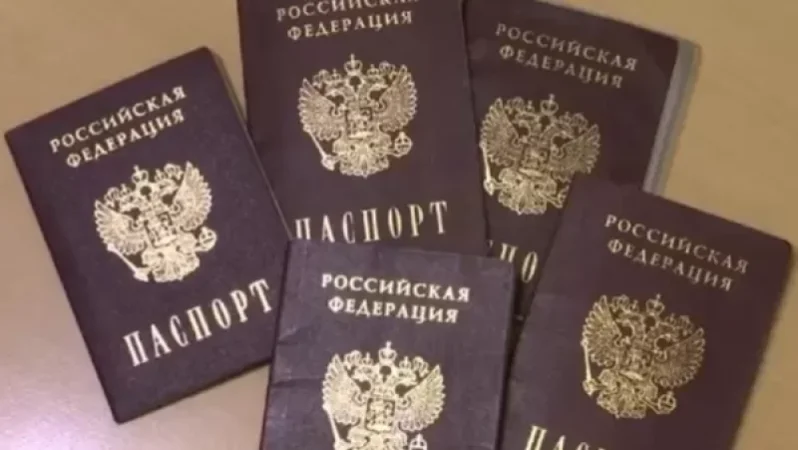
On December 22, a decision comes into effect in the European Union stating that Russian passports issued in the Donetsk and Luhansk People's Republics, Kherson, and Zaporizhia, as well as in Abkhazia and South Ossetia, following referendums, will not be recognized. This decision has been published in the official journal of the EU. Armenpress learns this from the RIA Novosti agency. The EU Council confirmed the decision not to recognize these passports on December 8.
The decision indicates that these documents "are not accepted as valid travel documents for the following purposes: visa issuance, crossing external borders." It also states that exceptions are made for individuals holding such documents who were previously Russian citizens, minors or incapacitated at the time of issuance, as well as for those requesting asylum and in specific humanitarian situations.
Earlier, Leonid Slutsky, the head of the State Duma's International Affairs Committee, stated that such a decision is discriminatory and once again demonstrates the "true face of European democracy, or rather, its distorted face." The Russian Foreign Ministry labeled the EU's decision as "inhumane sanctions and a policy of segregation."
It is important to note that from September 23-27, referendums were held in the DPR and LPR, Kherson, and Zaporizhia regions regarding their accession to the Russian Federation. According to the processing of 100% of ballots in the DPR, 99.23% of voters expressed support for joining the Russian Federation, while in the LPR, the figure was 98.42%, in Kherson it was 87.05%, and in Zaporizhia, 93.11%.
On September 30, Russian President Vladimir Putin addressed the results of the referendums in the DPR, LPR, Kherson, and Zaporizhia in the Kremlin, after which he signed agreements with their leaders on the acceptance of these territories into the Russian Federation. Russia recognized the sovereignty of South Ossetia and Abkhazia in 2008. Russian authorities have repeatedly stated that the recognition of the independence of these two former Georgian autonomous regions reflects the existing realities and is not subject to revision. However, Tbilisi refuses to recognize the independence of the republics.
Նմանատիպ հոդվածներ
European Court Obligations for Azerbaijan Revealed
European Court Grants Armenia's Request and Imposes Interim Measures Against Azerbaijan
What Russia and Azerbaijan are Agreeing on to Resolve the Situation in Lachin: Russian Representative at the UN
Yerevan Refuses Meeting with Russian and Azerbaijani Foreign Ministers
Ավելին Politics բաժնից
Թրամփը Իրանի նկատմամբ «եռակի հաղթանակ» է տարել. ԱՄՆ նախարար
Իրանը ձեռնարկել է աննախադեպ անվտանգության քայլեր
ՏԵՍԱՆՅՈՒԹ. Ղարաբաղն ու Ուկրաինան փոխել են պատերազմի կանոնները․ Հունաստանի ՊՆ