Artsakh is a Red Line for Me: Ruben Vardanyan's Interview with RTVI
The State Minister of the Republic of Artsakh, Ruben Vardanyan, gave an interview to the international RTVI television channel, addressing the reasons for his relocation to Artsakh, the challenges facing the region, and several other issues.
Speaking about his decision to move to Artsakh and assume the position of state minister, Vardanyan expressed his happiness about this step. "With my arrival, the topic of Artsakh, which would be ideal for Azerbaijan to forget, has become more relevant. What is happening in Artsakh has started to attract the interest of more people. In this sense, I am glad that everything happening in Artsakh becomes a topic of discussion in Armenian, Russian, Azerbaijani, and international media. Recently, I gave interviews to French and German media, and I feel people's real interest in understanding what is happening there, how people live in Artsakh," he stated.
Ruben Vardanyan noted that back in 2018, during his first meeting with Armenia's future Prime Minister Nikol Pashinyan, he mentioned that the only topic that concerned him, for which he was willing to change his lifestyle, was Artsakh. "I have never interfered with the political activities of previous presidents, and I have no intention of doing so now, but Artsakh is a red line for me. I have consistently said and publicly declared that Artsakh is a red line for me, and from this perspective, I consider it unacceptable for the Armenian elite to simply follow what is happening in Artsakh and do nothing about it. The decision to do something was made after discussions with many different people. At a certain stage, we realized that it was time to make a decision: either you, as a person who is ready to bear responsibility not only for yourself and your family but also for your nation, accept it and take that step, or not," he emphasized.
When asked about the cessation of military operations, Vardanyan stated that it should be understood that there have been different phases throughout these 30 years. "In this sense, if we keep using military rhetoric continuously, it leads to a dead end, as positive or negative circumstances will periodically emerge in various countries... If Azerbaijan did not have oil, if Turkey had not decided to become involved in the war to the extent that it did, and many other circumstances... Now there is one situation; tomorrow another will be created, and thus we will endlessly be at war. We need to think about the fact that this cannot continue indefinitely. I believe that Azerbaijani mothers also do not want another war to happen and for their sons to be killed," he remarked.
Speaking about Turkey's role, Vardanyan pointed out that Turkey is not a mediator; it is a party to the conflict, an ally, and it does not even hide this. "But I believe that Turkey's position of being an 'active participant' is not only unacceptable to Armenia, but also to Azerbaijan. I think not everyone in Azerbaijan is pleased that Turkey is so actively and aggressively interfering in the leadership's activities," he said.
Addressing the activities of the Artsakh government, Vardanyan mentioned that the government's program aims to confront the challenges facing Artsakh. "First is the question of Artsakh's status—not only the legal aspect of the issue but also its positioning in the international sphere. Artsakh is a separate subject that must participate in decision-making regarding its future. This requires enormous work. The second is security. We must do everything to ensure that the lives of the Armenian population in Artsakh are not endangered. Security should be provided both by the residents of Artsakh themselves and by our international partners, including peacekeepers and the entire international community, as we are also dealing with a humanitarian disaster, not just military matters. And third, of course, is the social, economic, and cultural development of Artsakh," he noted.
In response to the question of who and how is ready to participate in the development of Artsakh, Vardanyan stated that many people are coming, and he is glad that he is not alone in this matter. "I am grateful that people come not only to work but also to establish businesses and live. This shows that people believe and want to do everything possible to help the residents of Artsakh, to be with them. He mentioned that there are more than 500,000 Armenians in the world with roots in Artsakh, and many of them are genuinely concerned and want to help their homeland in every possible way. 'It is essential that they have the right picture of everything we are doing and understand who they are cooperating with. They need to see a transparent system for the implementation of these projects. In this sense, they have the opportunity to participate both individually and through expert-consultative mechanisms; they can help with their connections and experience, which is very important and necessary. To change the situation, we all need to unite. The future of Artsakh is crucial not only for the fate of the people living in Artsakh today but also for the future of the entire Armenian world,' Ruben Vardanyan emphasized.
Նմանատիպ հոդվածներ
Ավելին Politics բաժնից
Մոսկվայի բոլոր չորս օդանավակայանները դադարեցրել են գործունեությունը
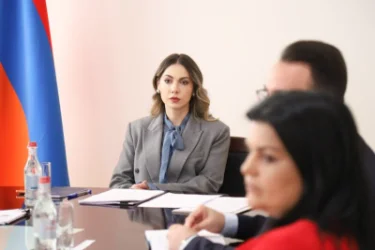
Սրբուհի Գալյանը ԵՄ դեսպանի հետ քննարկել է վիզաների ազատականացման գործընթացը
«Հայաստան» դաշինքը դիմում կներկայացնի ՍԴ՝ Սեդա Սաֆարյանի մասնակցության հետ կապված.Խուդոյան