There is a very important record in the Sochi statement, says Ruben Rubinyan
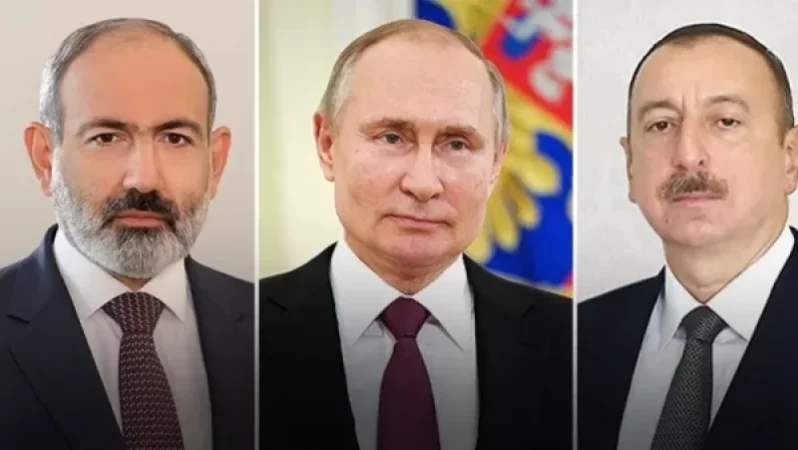
One week ago, following a meeting of the President of Russia, the Prime Minister of Armenia, and the President of Azerbaijan in Sochi, a statement was adopted reaffirming the section of the Prague quadrilateral statement, according to which Armenia and Azerbaijan recognize each other’s territorial integrity based on the Alma-Ata agreements and protocols, which is a significant fact. This was announced by the Deputy Speaker of the National Assembly, Ruben Rubinyan, in an interview with Azatutyun.
“This is very important for the Armenian side because it also records that the delimitation between the two countries should occur on this basis,” Rubinyan emphasized, adding, “You remember that there were some unconstructive statements from Azerbaijan regarding some historical maps or some unknown maps for delimitation, and with these two announcements—the Prague and Sochi—it is recorded that there is a border between Armenia and Azerbaijan, and that is the border set between the former Soviet republics, and the delimitation should occur based on this.”
Rubinyan also recalled that the Sochi meeting was preceded by discussions in the domestic political arena questioning whether Armenia disagreed with or rejected Russian favorable proposals, but all these doubts were completely dispelled when the Republic of Armenia, including the Prime Minister, openly, directly, and clearly stated that we are in favor of Russian proposals and also in favor of extending the deployment period of the Russian peacekeeping contingent for 10, 20, or any other number of years, and in this context, the meeting took place.
The Deputy Speaker also added, “The Armenian side has naturally proposed and insisted that there should be a reference to Nagorno-Karabakh, or the term Nagorno-Karabakh should be mentioned, and raised the issue of extending the peacekeepers' mandate, and in general, our known positions have been elevated, but it has not been possible to reach an agreement on all issues, which is also expressed in the adopted statement, which is a general statement, and no progress can be seen from that statement.”
Նմանատիպ հոդվածներ



Ավելին Politics բաժնից
Ուկրաինան նոր քայլ արեց Ռուսաստանի դեմ․ Զելենսկին հաստատեց աղմկահարույց օրենքը
Զելենսկին նոր հրաման է տվել զինված ուժերին․ օտարերկրացիների է հավաքագրում

Սենսացիոն հայտարարություն Ադրբեջանից՝ Հայաստանի վերաբերյալ․ հստակ ակնարկներ են հնչել