Tehran Fears Cut-off from Yerevan Amid Rising Tensions
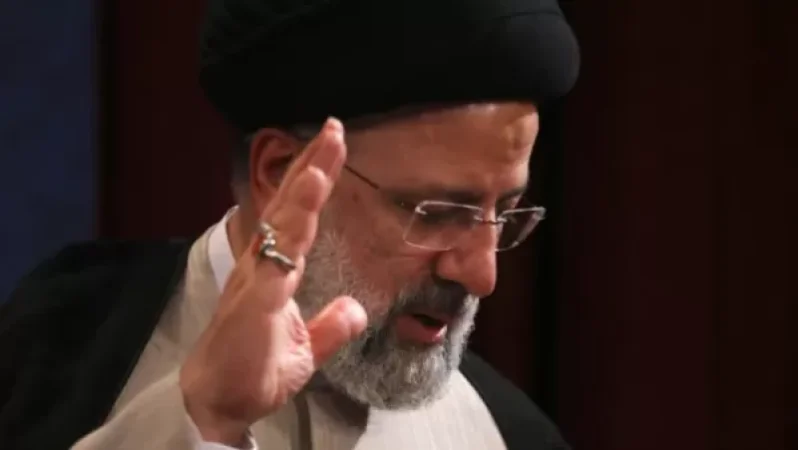
The Canadian Geopolitical Monitor has published an extensive analysis concerning the escalating tensions and impending conflict between Azerbaijan and Iran in the South Caucasus.
“While the Ukrainian war dominates global media headlines, another conflict is brewing in the South Caucasus, where Azerbaijan and Iran have increasingly become adversarial since the 2020 Nagorno-Karabakh war,” the source states. It notes that after Azerbaijan's victory over Armenia, supported by military aid from Israel and Turkey, Iran recognized that its security along the northern border is jeopardized as the war threatens to sever its ties with key regional ally Yerevan, according to Tert.am.
The publication reminds us that the Islamic Republic of Iran expressed concerns about frequent incursions along its southern border with Armenia throughout September, referring to Azerbaijan's military aggression against Armenian sovereign territory. This renewed Azerbaijani assault has raised alarms, not only in Iran but also from the United States and France, according to Geopolitical Monitor.
“These incursions are nearing one of Tehran's red lines regarding the potential redrawing of borders in the Caucasus, a topic often hinted at in the rhetoric of Presidents Aliyev and Erdogan concerning Pan-Turkic expansion. (The redrawing of borders) would create new geopolitical challenges for Iran, including the disruption of the ancient trade routes that have operated through Armenia for thousands of years.”
Azerbaijan has not concealed its enmity towards Iran since the 2020 war with Armenia, going as far as presenting maps of “Greater Azerbaijan,” which depict parts of Iran's northern provinces (approximately 16 million ethnic Azerbaijanis live in Iran, concentrated in the northwest along the Azerbaijan border).
Both Baku and Tehran have taken tit-for-tat measures in diplomatic matters over the past year, further heightening tensions. Since the 2020 war, Iran has conducted various military exercises along its borders aimed at deterring Azerbaijan. On the other hand, Baku has intensified tensions with Iran by fostering a potential separatist movement among Azerbaijanis in Iran,” the article states.
The source mentions that as the current protest movement in Iran continues to grow, uniting citizens against authoritarian mullahs, the Islamic Republic may resort to desperate measures to divert attention, with external conflict being one of the ways to unify the country against a common enemy.
The Islamic Revolutionary Guard Corps has recently dispatched large amounts of military equipment and personnel along Iran's border with Azerbaijan, increasing the risk of potential war. Any open conflict between the oil-rich Azerbaijan and Iran could be potentially catastrophic for global energy markets, not to mention the humanitarian crisis that could arise, as tens of millions of people live in each country's border regions,” Geopolitical Monitor states.
The source notes that since the Islamic Revolution, Iran has been internationally isolated. Meanwhile, although Azerbaijan continues to be governed by an autocratic dynastic regime, it has strengthened its international relations, securing mutual defense agreements with Turkey and military contracts with Israel, plus increasing support from Gulf countries. Furthermore, according to the source, Russia's invasion of Ukraine has compelled the EU to seek alternative sources of energy, which Baku has quickly capitalized on, finalizing new gas agreements. As a result, Azerbaijan's diplomatic efforts have bolstered its international position such that in the event of war with Iran, Baku can anticipate some diplomatic support given its status as a primary alternative energy supplier.
“However, with Iran's growing ballistic missile capabilities and combat-tested drones, Azerbaijan's armed forces currently lack options to defend against potential Iranian strikes. If a conflict arises, the mutual defense agreement with Turkey could lead to a regional war and yet another humanitarian disaster. An escalation of diplomatic ‘crossfire’ from both Iran and Azerbaijan can be expected in the near future, which would serve the interests of authoritarian regimes in both countries. Nonetheless, the risk of uncontrollable escalation, and at worst, regional war remains, despite the fact that neither side desires and can afford it,” Geopolitical Monitor concluded.
Նմանատիպ հոդվածներ

Ավելին Politics բաժնից

Վաշինգտոնի կենտրոնի խորհրդավոր արձանագրությունը համարվել է Թրամփին սպանելու կոչ

Իսրայելը ցանկանում է պահպանել Իրանի նկատմամբ անկախ գործելու հնարավորությունը

Քոչարյանը` Փաշինյանի՝ սահմանադրական մեծամասնություն չունենալու մասին