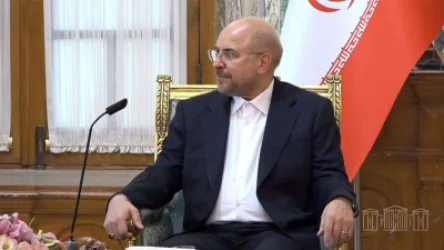
Peace Agreement to be Signed in Tbilisi
«Hraparak» newspaper writes: «The dissatisfaction of the ruling party members and others with the document signed in Sochi and the disappointment with Russia's inability to compel Azerbaijan to recognize the fact of Artsakh's independent existence will once again force them to turn to a more powerful and authoritative mediator, such as the West. The failure to achieve international recognition of Artsakh’s independence through Moscow’s mediation raises concerns that if the Prague process continues, Artsakh could be emptied of its Armenian population and handed over to Azerbaijan.
This scenario is unprecedented in the practice of international relations, where two parallel processes addressing the same issue do not complement each other, and indeed have no intersection. The Sochi process does not include a peace agenda; there is no mention of a peace agreement. Meanwhile, Prime Minister Pashinyan should sign such a document as soon as possible, which would declare the beginning of a new era of peace. According to our sources, such a document could be signed by the end of November or at least by the beginning of December. Surprisingly, the agreement is expected to be signed in Tbilisi. Georgia could become a facilitator and symbol of Caucasian peace, especially as this document effectively hands over all of the South Caucasus to Turkish management as the operator of Western interests in the region.
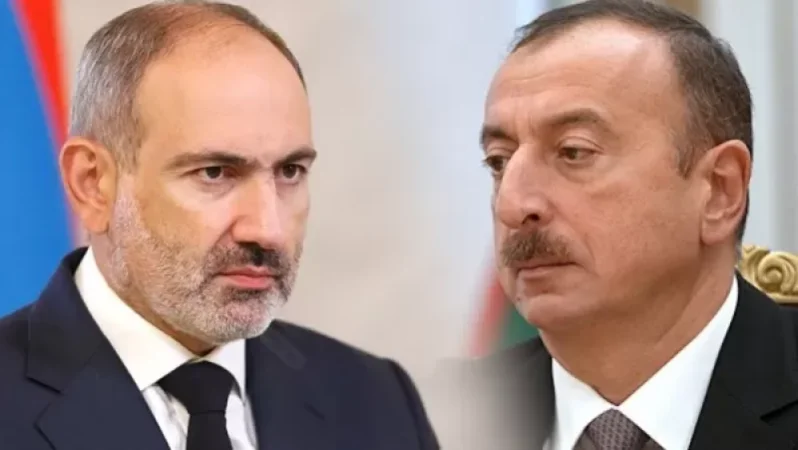
According to our information, intensive preparations are underway in Georgia for the meeting between Aliyev and Pashinyan and the signing of the document declaring the start of the peace era. The signing of this document will signal Armenia's official and final renouncement of Artsakh. Armenia will be obliged not to intervene in Artsakh's issues in any way, depriving Artsakh's citizens of Armenian citizenship and funding. Not only the military structures in Artsakh will be deprived of funding, but also the entire system of state governance—from local self-governance to the presidential apparatus. Armenia will have the right to implement charitable-social projects, such as the repair of a kindergarten's broken fence and painting works. Anything beyond that will be regarded as sponsoring and financing separatism and terrorism.
The Armenian population of Artsakh will have a choice: either accept Azerbaijani citizenship and continue living in their place as Azerbaijani citizens or leave for Armenia as Armenian citizens. According to our information, there is now a discussion about granting certain cultural autonomy to the area populated by Armenians. Azerbaijan opposes any type of autonomy, but under the influential pressure of Western civilized countries, it may agree, realizing that this autonomy will remain only on paper, and shortly after, Artsakh will become entirely emptied of its population, with the remaining individuals being assimilated into Azerbaijani culture. In fact, some settlements will be emptied just hours after the signing of the agreement. For instance, Azerbaijan demands that areas inhabited by Azerbaijanis before 1991-92, but currently under Armenian control, be vacated immediately by Armenians. This primarily refers to Khojalu. For Aliyev, the entry into Khojalu will be as symbolic as Shushi or Lachin.
Aliyev, considering the signing of this agreement, stated in Sochi that there is no issue regarding Karabakh; it is resolved, and there can be no discussion on this topic. As for the Russian peacekeeping forces, their presence will become entirely meaningless after a portion of the Armenian population leaves and the remaining individuals accept Azerbaijani citizenship. Azerbaijan will announce that these individuals are citizens of its country and that Azerbaijan is capable of ensuring their rights and security autonomously. After conceding Artsakh, the issue of the corridor linking Artsakh to Armenia will no longer be relevant. There will be no corridor, and Turkey and Azerbaijan will also not be able to claim that the corridor connecting Azerbaijan to Nakhichevan should have the same status as the corridor connecting Armenia to Artsakh. Here, too, we will confront our age-old enemies; a nonexistent corridor cannot have any status.»
Նմանատիպ հոդվածներ
Ավելին Politics բաժնից
Իսրայելը ցանկանում է պահպանել Իրանի նկատմամբ անկախ գործելու հնարավորությունը
Քոչարյանը` Փաշինյանի՝ սահմանադրական մեծամասնություն չունենալու մասին
Զինծառայողները դատի են տվել Սուրեն Պապիկյանին․ «Հրապարակ»