Threats and Coercion Policy is Unacceptable for Us: Alen Simonyan
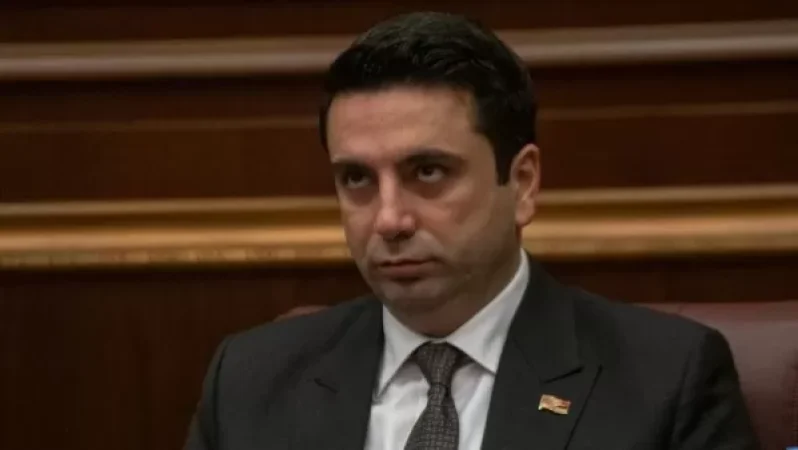
Alen Simonyan addressed the plenary session of the Inter-Parliamentary Assembly of the CIS member states. Below is the speech:
“Dear Valentina Ivanovna, esteemed colleagues, participants of the session,
I am pleased to speak at the 54th plenary session of the Inter-Parliamentary Assembly of the CIS. Today, our meeting is taking place amidst extremely complex geopolitical processes. It is my first time addressing the plenary session of the CIS IPA, and I would have preferred to talk about peace and cooperation. However, the current realities are such that the efforts of Armenia and the international community towards establishing long-term peace in the South Caucasus region are being thwarted by Baku's bellicose rhetoric and military actions.
As you all know, on September 13, 2022, the Armed Forces of Azerbaijan carried out a large-scale armed aggression against the sovereign territory of the Republic of Armenia, grossly violating international law and the ceasefire regime. As a result of Azerbaijan's aggressive actions, the Armenian side has hundreds of casualties, wounded, missing persons, and prisoners of war, as well as several thousand displaced individuals. There are also civilian casualties, and significant damage has been inflicted on civilian infrastructure. Certain areas of Armenia’s sovereign territory are occupied by the Armed Forces of Azerbaijan. These attacks were preceded by acts of aggression in May, June, and November of 2021.
There have been horrific cases of summary executions of Armenian unarmed prisoners of war, violence, and dismemberment of captured Armenian servicemen recorded on Armenia's sovereign territory. Images and videos of torture and humiliation of Armenian female soldiers’ bodies have circulated on Azerbaijani social networks. Unfortunately, these crimes condemned by the international community have received widespread support in Azerbaijani society.
In this context, it is essential to conduct a proper international investigation, and those responsible for these atrocities must be held accountable. Unfortunately, the lack of consistent and targeted responses from international and regional organizations, in reaction to Azerbaijan’s non-fulfillment of its obligations, has allowed Azerbaijan to continue its aggressive policy. Armenia is committed to establishing long-term and just peace in the South Caucasus region and throughout the CIS. The policy of threats and coercion is unacceptable for us.
Concrete actions are necessary for an effective negotiation process, namely, the withdrawal of Azerbaijani forces from the Republic of Armenia's sovereign territory, unconditional adherence to the ceasefire regime, and the immediate release of all Armenian prisoners of war and other detained individuals.
In response to the situation created, we have appealed to the CSTO, requesting that Armenia be provided with necessary assistance, including military assistance, in accordance with the provisions of Article 4 of the Collective Security Treaty. As a result of our request, an extraordinary session of the Collective Security Council was convened, which resulted in a mission being sent to Armenia to monitor and study the situation on-site. The mission has already completed its work and presented conclusions and recommendations.
We attach particular importance to the establishment of international mechanisms for monitoring and controlling the border situation to prevent new aggressions. As a result of the agreements reached in Prague on October 6 of this year, a technical group of the EU civilian monitoring mission has arrived in Armenia.
Based on the relevant documents of the OSCE Ministerial Council and at Armenia's request, a decision has been made to send OSCE observers to the Armenia-Azerbaijan border (an OSCE mission for assessing Armenia’s needs).
Colleagues, I would like to emphasize our principled position on the delimitation of the border with Azerbaijan and the unblocking of transport communications. We have repeatedly stated that we strive to establish relationships based on partnership in the region. We believe that the works of border demarcation and subsequent delimitation should be based on the fundamental documents of the CIS, according to which the former administrative borders of the Soviet republics have become state borders between independent countries, including Armenia and Azerbaijan.
Armenia is ready to open and construct new communications in accordance with the national legislation of the countries through which they pass. Azerbaijan constantly talks about some corridor that is not mentioned in the trilateral statement of November 9. The word “corridor” is exclusively referenced in the declaration regarding the Lachin corridor within the context of ensuring the security of Nagorno-Karabakh and has no relation to the unblocking of transport communications, and we consider all parallel arrangements a manipulation.
Moreover, under the leadership of the Deputy Prime Ministers of Armenia, the trilateral working group and the Deputy Prime Minister of the Russian Federation have determined that the reconstructed and under-construction infrastructure projects must operate under the full sovereignty of the countries through which they pass.
Unfortunately, the manipulation of the text of the trilateral statement of November 9, 2020, has become a part of Azerbaijan's policy, reflected in the fact that despite the clear affirmation of the existence of Nagorno-Karabakh in the statement signed by the Prime Minister of the Republic of Armenia, the President of the Republic of Azerbaijan, and the President of the Russian Federation, Azerbaijan claims that Nagorno-Karabakh does not exist.
In the post-war period, Azerbaijan linked the release of prisoners of war to the provision of maps of the minefields, while the obligation derived from the trilateral statement was to exchange all prisoners of war. Armenia has fulfilled its obligations to hand over prisoners of war ‘all for all’ and has provided Azerbaijan with all maps of the minefields as a humanitarian gesture. Now, after the last aggression, the Azerbaijani side is obstructing the retrieval of the bodies of the dead in the inter-ethnic zones within Armenia’s sovereign territory, despite the existing agreements.
It is extremely important to address the preservation of Armenian historical, cultural, and spiritual heritage in the areas that have come under Azerbaijan's control.
Dear colleagues,
The lessons of history are such that conflicts have no positive outcomes for the world. Regulating relations with neighboring states remains the supreme task of the Republic of Armenia. We have shown the will and a constructive approach to finding mutually acceptable solutions to contentious issues. We expect Azerbaijan to take effective steps towards strengthening peace and stability in the region through peaceful negotiations.
Thank you for your attention.”
Նմանատիպ հոդվածներ
Ավելին Politics բաժնից
Իրանը սպառնում է Ուկրաինային պատասխանատվության ենթարկել

Դուք գողացել եք 60 հազար քաղաքացու քվեն. Ագնեսա Խամոյանը՝ ՔՊ-ին

Իրանը երկերեսանի է և երբեք միջուկային զենք չի ունենա. Թրամփն