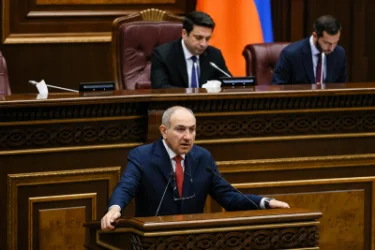
Soldiers Can Transition to Contract Service After Six Months of Service, Says Prime Minister
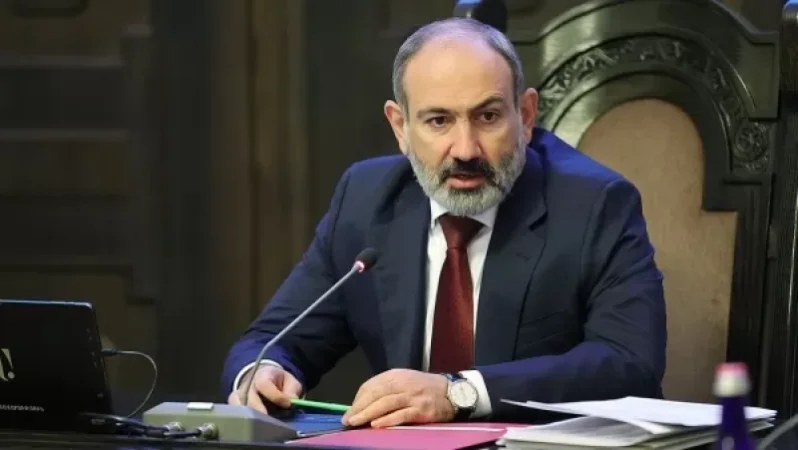
Today, a regular meeting of the Government of Armenia was held, chaired by Prime Minister Nikol Pashinyan. Before discussing the agenda, government members paid tribute to the victims of the October 27 terrorist attack with a minute of silence.
“Dear colleagues, beloved people, today marks the 23rd anniversary of the October 27 terrorist attack of 1999. This terrorist act was an attack on the Republic of Armenia, its sovereignty and independence, and on the authority elected by the people. On that day, during a question-and-answer session in the National Assembly-Government, a terrorist group stormed the Parliament and murdered the President of the National Assembly Karen Demirchyan, Prime Minister Vazgen Sargsyan, Deputy Speakers of the National Assembly Yuri Babakhanyan and Ruben Miroyan, Minister of Emergency Situations Leonard Petrosyan, and National Assembly members Henrik Abrahamyan, Armenak Armenakyan, and Mikayel Ktanishyan,” said the head of the government.
During the government meeting, approval was given to a draft law on amendments and supplements to the Law on Military Service and the Status of Servicemen. According to Defense Minister Suren Papikyan, the draft law proposes a new system for transitioning from mandatory military service to contract service for regular and officer ranks, aimed at increasing the attractiveness and interest in contract military service, which will be called the “Defender of the Fatherland” program. The program stipulates that after completing the first six months of mandatory military service, civilians will have the opportunity to transition to contract military service established by the government, setting the service period at five years. Additionally, those released from service prematurely due to the expiration of the contract or being deemed unfit for health reasons will be entitled to receive a bonus upon release.
As presented by the Defense Minister, the bonus amount is set at 5 million drams, which can be freely managed. Servicemen who sign a contract will also be subject to assessments as outlined by the law, and based on positive results, they will receive additional payments stipulated for their job group.
Simultaneously, if a serviceman chooses to resign from contract military service during the contract's duration, that time will not be counted toward their mandatory military service, and they will return to complete the remaining period of their mandatory service.
The implementation of this program will discontinue the mandatory military service program “I Am” in the specified locations and conditions by the Ministry of Defense, under which currently only two servicemen continue their service, which will complete its 36-month term in January 2023.
In this regard, Prime Minister Nikol Pashinyan noted: “This project is part of the Armed Forces reform package. Essentially, what this means is that soldiers who have undergone compulsory military service can transition to contract service after completing six months of service. This means they can serve and receive a salary, on the condition that they will become contract servicemen, with their contract period set for five years. This is a distinctive feature. Another distinctive aspect is that they will enter the currently operational assessment rules, meaning they will serve under the old salary rates until the assessment, and afterwards at doubled rates. There are mechanisms in place such that if they pass the assessment within three months after transitioning to contract service, they will receive the salaries of the previous three months at the increased rate, and thereafter at the rate starting from the assessment date.
The next mechanism ensures that if individuals serve for two years, i.e., six months plus one year, and then decide to terminate the contract, their service will count towards their two years and they will be released. I want to emphasize that this is one of the steps towards a professional army because now, at this stage, conscripts who wish to transition to professional service will have the opportunity for at least five years provided by this change in the law.”
Addressing the “Honorable Service” program, Defense Minister Suren Papikyan stated: “I will not rush to assess and say that the 'Honorable Service' program will not continue, but as we have noted during our joint discussions, there are many issues, including those related to education, the problem of becoming unfit for further service, which also should be of attention to our law enforcement partners. However, since our new process of filling officer ranks has not yet borne fruit, we do not consider it expedient to abandon it immediately, but it is a theme that can be discussed and improved.”
The Prime Minister emphasized that there are also conceptual issues regarding this topic: “During consultations, we have frequently addressed this issue. I consider it very important that in any country, the officer class represents one of the pillars of the state, and we objectively have numerous individuals in our officer corps who are teachers, scientists, engineers by profession, and due to well-known circumstances, they have become officers. This, of course, was a reasonable and acceptable process in the early years of independence, but I believe that after 30 years, continuing such practices and policies is problematic.”
According to Nikol Pashinyan, due to objective needs, solutions are often provided to address immediate issues, but strategic problems are overlooked. The Prime Minister also added that discussions are ongoing regarding changes in the higher education system, suggesting that Armenia should have an educational institution for officers that would differ from regular universities, focusing specifically on training ordinary soldiers.
“This is a very serious, profound issue—an issue of paradigm, and a matter of the establishment of the state and its institutions, including the formation of state-centered class groups, if one can say so. We need to think seriously about this,” said the Prime Minister and added that at a meeting held yesterday, he assigned specific tasks regarding this crucial and delicate topic, aiming for serious discussions to take place and for precise decisions to be made.
Նմանատիպ հոդվածներ
Ավելին Politics բաժնից
ԸԸՀ անդամներն աշխատավարձ չեն ստանա․ «Հրապարակ»
Իրավիճակը տարածաշրջանում շարունակում է լարված մնալ
Ինչի՞ կարող է հանգեցնել ՌԴ–ի կողմից ընտրությունների արդյունքների մերժումը