It is offensive to compare this document with the agreement prepared for signing by the current rulers of Armenia. Serzh Sargsyan
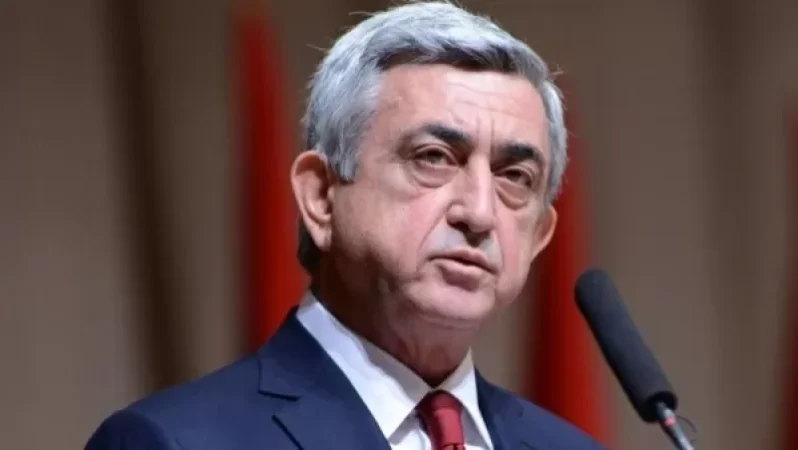
The first President of Armenia, Levon Ter-Petrosyan, today responded to the statement made yesterday by the office of the third President of Armenia, Serzh Sargsyan, in which the comparisons made by President Ter-Petrosyan in his prior day’s statement between the Zurich protocols and the agreement to be signed by the current authorities for Armenian-Turkish reconciliation were deemed unacceptable and absolutely inappropriate.
In his response today, the first president clarified that Ter-Petrosyan had previously assessed the Zurich protocols positively back in 2009, being categorically opposed only to one point regarding the establishment of a joint commission of Armenian and Turkish historians.
In response to a question from 168.am regarding how the office of the third president would comment on this reaction, they said: “In this extremely difficult situation for our state and people, it is certainly inappropriate to get embroiled in such discourses, especially when historical facts are being misrepresented. However, considering that the regulation of Armenian-Turkish relations is again relevant today and is on the foreign policy agenda of the current authorities, we once again emphatically remind that:
1. The 2009 Zurich protocols, notably the article on establishing diplomatic relations between the Republic of Armenia and the Republic of Turkey, do not contain any provision for the creation of a 'joint commission of Armenian and Turkish historians.' In general, it is already offensive to compare that document with the agreement being negotiated and prepared for signing under disgraceful conditions by the current rulers of Armenia.
2. Levon Ter-Petrosyan indeed interprets or presents the point concerning the establishment of a subcommittee dealing with historical matters within the intergovernmental commission, as stipulated in the aforementioned protocol, which discusses conducting dialogues aimed at restoring mutual trust between the two peoples, including the impartial scientific examination of historical documents and archives to clarify existing issues and formulate proposals with the participation of Armenian, Turkish, Swiss, and other international experts. In numerous speeches, interviews, and messages during his tenure, the third president of Armenia has also repeatedly and clearly emphasized that the relevant subcommittee of the intergovernmental commission is not a historians' commission, and such a thing cannot exist.
3. The 11th point of the Declaration of Independence of the Republic of Armenia, which serves as the basis for the Constitution of Armenia, states: 'The Republic of Armenia supports the international recognition of the Armenian Genocide in the Ottoman Turkey and Western Armenia in 1915.' During the years of Serzh Sargsyan's leadership (2008-2018), the Republic of Armenia unwaveringly adhered to the aforementioned provision, not just in words but also through practical steps taken within the framework of this provision.
Նմանատիպ հոդվածներ
Erdogan and Pashinyan to Meet Tomorrow: Sabah
Mirzoyan, Blinken and Bayramov Held Phone Conversation
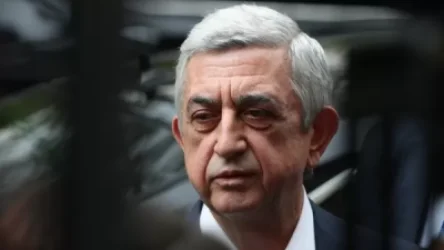
Serzh Sargsyan: Levon Ter-Petrosyan's Remarks on Zurich Protocols and Potential Armenia-Turkey Peace Agreement Are Unacceptable
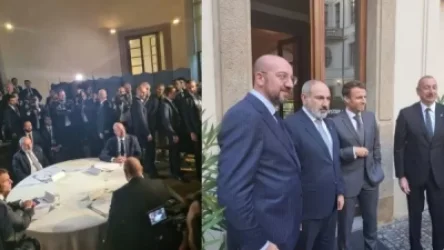
The Quadruple Meeting of Pashinyan, Aliyev, Macron, and Michel Concludes
Ավելին Politics բաժնից
Կարևոր ուղերձ՝ ՌԴ–ՀՀ հարաբերությունների ֆոնին
ՌԴ-ն պնդում է` ամերիկյան միջուկային զենքը պետք է դուրս բերվի Եվրոպայից
Վերահաշվարկից հետո կուսակցությունների ձայների հաշվեկշռում փոփոխություններ են արձանագրվել