The Change in the Araks Riverbed May Also Cause Border Issues

The waters of the Araks River are currently in the design and budgeting phase for works to restore its natural flow and to reinforce its riverbed. This was reported to Sputnik Armenia by the Ministry of Territorial Administration and Infrastructure of Armenia in response to a written inquiry.
Judging by the contract published on their website, the works for the restoration of the Araks Riverbed are not expected to commence soon, as the deadline set in the agreement for preparation of projects and cost assessments is December 15 of this year. This means that the actual construction and earthworks are likely to begin next year, at best after the spring flooding season.
The Ministry of Territorial Administration and Infrastructure, which developed the project, notes that as a result of the operation of the sand quarry in the Araks Valley, the Araks River has changed its former course in the territories of Araksavan and Burastan communities in the Ararat region and is currently flowing along the Vardazani Riverbed.
The decision also highlights that the demarcation line of the Armenia-Turkey border runs through the center of the Araks, thus the ministry does not hide the fact that the change in the riverbed could also lead to border issues.
According to official data, an area of 400 hectares has emerged between the former and current courses of the Araks. Furthermore, the flow of Araks waters along the Vardazani Riverbed has made the left bank of the Vardazani dangerous; landslides occur here during flooding, which could even inundate border structures.
To avoid all these problems, the government has decided to restore the former riverbed of the Araks by renovating a collapsed earth embankment approximately 130 meters long and 8 meters deep.
The environmental and potential political issue regarding the Araks is not new. According to Deputy Minister of Environment Gayane Gabrielyan, it dates back 10-15 years; however, it has not been discussed previously.
Gabrielyan also confirmed that the reason for the emergence of the problem is the uncontrolled operation of sand quarries in the Araks Valley for decades. Due to the sand extracted from the riverbanks and the resulting changes, the water has exited its bed, altering the course of the river.
Regarding environmental issues, Gabrielyan pointed out that cooperation with our neighbors in the Araks Valley is mainly successful with Iran.
When asked if the issues surrounding the Araks and the restoration of its riverbed have been discussed with Iran and Turkey, officials from neither the Ministry of Environment nor the Ministry of Territorial Administration and Infrastructure responded, stating that the issue is beyond their authority.
Instead, it was revealed that from at least 2020 to 2022, at least 34 sand quarries operated in the Araks basin in the Ararat and Armavir regions, of which 13 were legal and 21 were illegal.
For more details, see the original source.
Նմանատիպ հոդվածներ
Ավելին Society բաժնից

Ֆրանսիայում ուժեղ շոգի պատճառով կփոխվի դպրոցների աշխատանքը

Հանրային ռադիոյի նախկին տնօրենի հայցն ընդդեմ Հանրային հեռարձակողի խորհրդի մերժվել է
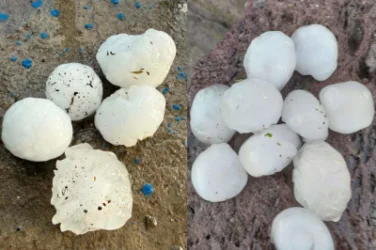
Ուժեղ կարկուտը մեծ վնասներ է հասցրել Նոյեմբերյանի բնակավայրերին