Pashinyan Tried to Prepare the Armenian Society for Difficult Concessions, MP
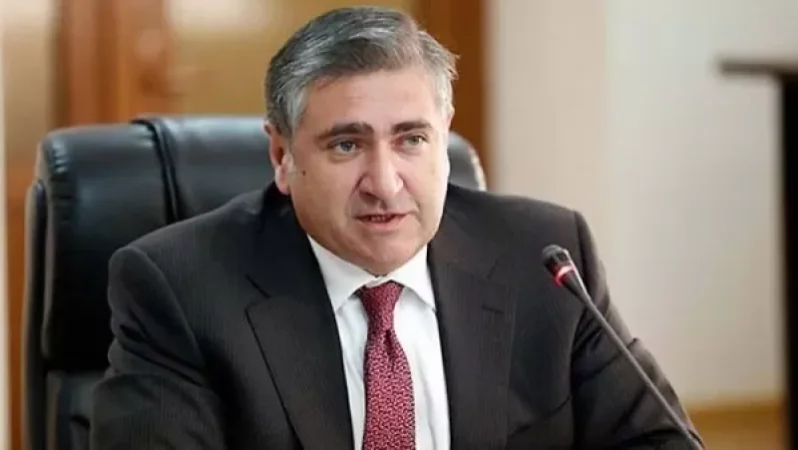
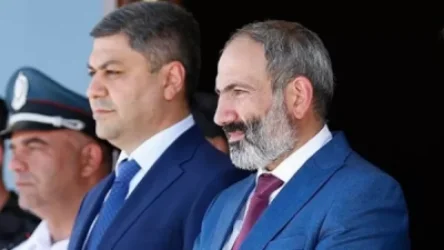
The messages from Nikol Pashinyan's press conference yesterday were primarily directed at the Armenian society, as he attempted to prepare us for difficult concessions in November and December. This was stated by Arthur Khachatryan, an MP from the 'Armenia' faction in the National Assembly during an interview with Tert.am.
“These concessions will definitely happen because, throughout Pashinyan's tenure, we have only given in and given in, and his statements regarding border demarcation and delimitation, as well as concerning Artsakh, testify to that. The main addressees of his messages were the Republic of Armenia,” Khachatryan said.
Khachatryan first presented the main messages that Nikol Pashinyan conveyed regarding Artsakh: “Nikol Pashinyan stated that when Armenia joined the CIS in 1991, it recognized the independence of Azerbaijan, forgetting to mention that Armenia joined the CIS in December 1991, while Artsakh declared its independence in accordance with the laws of that union during the Soviet era. Even if we recognized Azerbaijan's territorial integrity, at that time, Artsakh was no longer part of Azerbaijan.”
According to Arthur Khachatryan, Pashinyan launched a subtle psychological offensive against the Armenian people. “Pashinyan tried to present that regardless of who was in power and whatever efforts were made, the issue of Artsakh has not been resolved. He did not attempt to say that this has not been successful, that the world does not agree with our decision; he did not blame anyone but tried to show that this issue is unsolvable, that they attempted to resolve it through war but it did not work out. Pashinyan put a choice before the people: either we should fight again, or Artsakh should be returned, because regardless of our will, the issue of Artsakh has no solution. Since no one would want to go to war in such a heavy moral, psychological, and financial situation, he was simply preparing people to accept that Artsakh will remain under the jurisdiction of Azerbaijan with some form of status, which could even be cultural autonomy,” noted the MP.
The MP emphasized that Pashinyan has distorted facts even in his article on the ‘Origin of the Artsakh Issue’. “In that article, he wrote that it was declared in 2017 that Armenia should return 7 territories, etc. In response, the Russian Deputy Foreign Minister and former co-chair of the Minsk Group, Igor Popov, stated that the question of giving away territories was never discussed just like that. Let us remember that in 1998, Levon Ter-Petrosyan resigned because there were two approaches to resolving the Artsakh issue: phase-by-phase and package. Ter-Petrosyan supported the phase-by-phase version, while the ARF, then-Prime Minister Robert Kocharian, and other forces supported the package option, meaning the resolution of Artsakh's status was to be clarified outside of Azerbaijan and only then the issue of territories. So, the option of returning territories just like that was never discussed,” Khachatryan said.
According to Arthur Khachatryan, Pashinyan's second message was related to the Artsakh issue, border delimitation and demarcation, and the opening of communications. “Pashinyan is pursuing a very dangerous policy, trying to separate these issues from each other. It is impossible to achieve peaceful coexistence between Armenia and Artsakh as long as the issue of Artsakh is unresolved. He isolates the Artsakh issue, draws borders with Azerbaijan, and tries to ‘normalize’ relations with Azerbaijan and Turkey. However, if Azerbaijan attempts another attack on Artsakh later, what will happen to all these agreements? They will be worth a dime if the Artsakh issue is not resolved. Demarcation and delimitation without solving the Artsakh issue is like treating not the disease but the symptom of the disease. Also, Pashinyan made incomprehensible claims about the territories from which we withdrew, stating that they belong to Azerbaijan, referring to unclear maps. If both sides raise the issue of clarifying borders, the territories actually under the control of that country are considered as the starting point, this is an internationally accepted norm,” the MP elaborated.
Khachatryan noted that in his address, Pashinyan was also searching for culprits for the defeat in May, when Azerbaijanis established themselves in the area of Lake Sevan. “He said that the army, instead of protecting the border, is involved in politics. Let me remind you that a few days before May 12, Pashinyan stated that our borders are excellently fortified, and then when Azerbaijanis entered Lake Sevan and Nerk’in Shorja, he said that we had not had time to fortify them due to weather conditions; this is laughable. Now he says that those military personnel who demanded my resignation in February are to blame, whereas this border line was established when Armenian troops retreated with the disgraceful November 9 agreement, and from that moment, the new border should have been fortified. Therefore, Pashinyan's claim that because military personnel demanded his resignation in February, the border was not fortified by May is illogical,” said Khachatryan.
Arthur Khachatryan emphasized that Pashinyan also made paradoxical claims regarding Armenian-Turkish relations. “He says that if Turkey does not declare itself genocidal, we are ready to normalize relations with it. What is this, does Turkey have to say, ‘I am genocidal,’ and then Armenia has to say, ‘I will eliminate you’? Of course not, Turkey will say, ‘I am a democratic country, let’s live peacefully together.’ Pashinyan is preparing the public to accept Turkish preconditions so that Turkey can open the borders. His other message was yet another manipulation regarding the corridor. If roads are unblocked by that agreement and there will be normal communication, then why is the connection between Azerbaijan and Nakhichevan emphasized separately?” he said. “A road will be given that the Armenian side will not call a corridor, but in essence, it will be a corridor in every sense.
Նմանատիպ հոդվածներ
Ավելին Politics բաժնից
Փաշինյանի հաղթանակի կապակցությամբ շնորհավորանք է հղել նաև ԱՄԷ նախագահը
Որ երկրների ղեկավարներն են շնորհավորել Պուտինին
Պուտինը նոր հրաման է տվել զինված ուժերին