Will Create Financial Burden, Artificial Queues: Lawmaker on Changes to Passport Validity
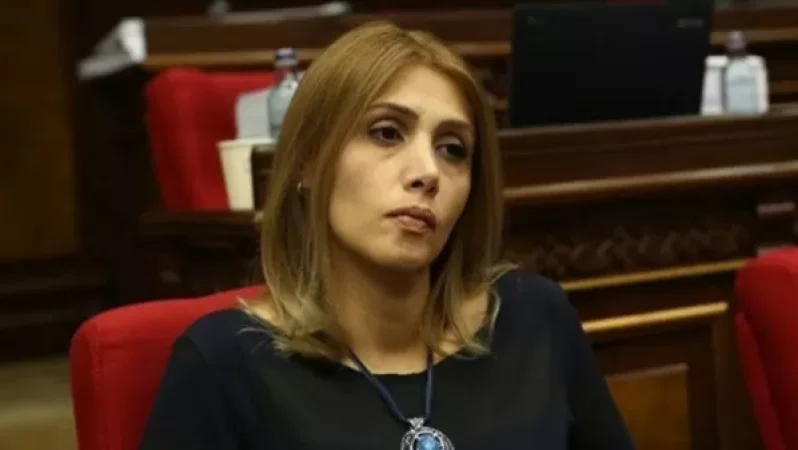
Elinar Vardanyan, a member of the "Armenia" faction, wrote on her Facebook page: "The police have submitted a draft decision on amending the government resolution No. 821 of the Republic of Armenia dated 1998, raising numerous questions not only about the hierarchy of legal acts, the justification of the draft, but also regarding its practical application and purpose.
1. The draft decision proposes to set a maximum validity period of 2 years for Armenian citizens' passports, thereby implementing the instruction given at the meeting of the State Legal Committee on September 29, 2021 (C 174-2021). This is the only justification for the draft. It is unclear what this instruction entails or contains, as it has not been published or clarified.
Among the absurdities, the first is that a maximum validity period of 2 years for Armenian citizens' passports is being established through an amendment to a government resolution, while the validity period for a citizen's passport is defined according to the requirements of the "Law on Passports of the Republic of Armenia." According to Article 4, Paragraph 2 of the law, "Passports are issued to citizens under 6 years old with a validity period of 3 years, to citizens aged 6 to 16 with a validity period of 5 years, but not exceeding the age of 18, and to citizens over 16 with a validity of 10 years." I would not be surprised if a draft law amendment is presented later, but it seems that henceforth laws should be aligned with lower legal acts rather than the other way around.
2. The draft essentially restricts the rights of Armenian citizens to enter and exit the country by depriving people of legitimate expectations to receive long-term entry permits/visas from foreign states. This could pose challenges for the dialogue regarding the liberalization and simplification of the visa regime with the EU. Moreover, according to the current regulations of the Schengen zone, each citizen's passport must be valid for at least 3 months after returning from a Schengen country. In that situation, will EU countries provide long-term (more than two years) visas? For example, the USA can issue a 10-year entry invitation to an Armenian citizen. If the passport's validity period becomes 2 years, then the Armenian citizen will have to keep both the old sample passport and the new one to hold onto a USA 10-year visa, or it is very likely that these states will change their visa policies.
3. If adopted, the draft will create financial and administrative obligations for the citizens. Artificial queues will emerge in front of the offices of authorized bodies. It is hard to imagine the volume of burden that will be placed on passport offices. There is no calculation in the justifications regarding the financial burden this change will impose on citizens. However, one thing is clear: the administrative burden will increase—for example, regarding the validity period in foreign states, a citizen must personally appear or provide a power of attorney for a round seal. This means that a citizen will need to undergo the same bureaucratic loop every two years.
4. Passport services are very expensive in consulate services. Have the authors of the draft calculated what the financial burden will be for our citizens? I will refrain from speculating about the grounds and reasons for this draft presentation, but one thing is clear: a project touching the interests of every citizen of the Republic of Armenia cannot be presented without proper justification."
Նմանատիպ հոդվածներ
City Hall Confirms: Russian Company to Design Ajapnyak Metro Station
Why the Police Propose to Shorten the Validity Period of Armenian Passports
Russian Peacekeepers Enter Military Unit and Demand Removal of Artsakh Republic Flag: Alvina Aghababyan

Ye. Kanye West Officially Changes Name Without Surname or Last Name
Ավելին Society բաժնից
Ապացույցներ կան․ Բրիջիտ Մակրոնը՝ տղամարդ է․ «ՏԱՍՍ»
ՁԱՅԱՆԳԱՐՈՒԹՅՈՒՆ. Մեր կուսակցությունը ըդքան շանս չունի էս պահին, երրորդ տեղով կերթա
ՏԵՍԱՆՅՈՒԹ. Ծեծկռտուք` «Ուժեղ Հայաստանի» աջակիցների և քաղաքացիների միջև