Human Rights Defender Arman Tatoyan Sends Proposals to National Assembly and Ministry of Defense on Drafting Issues
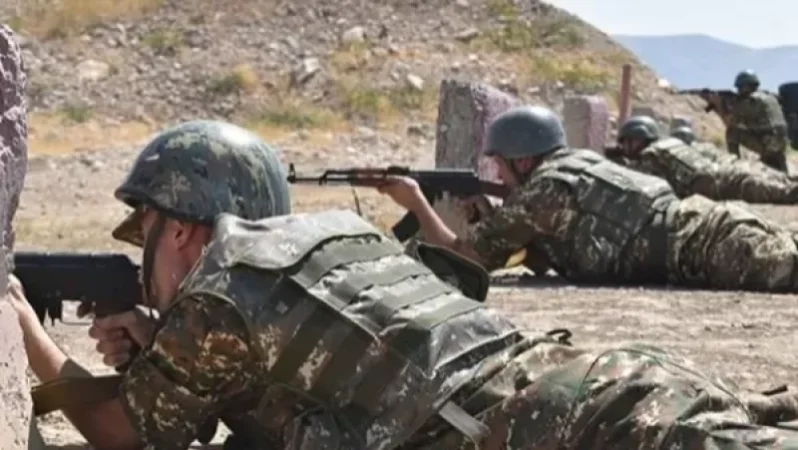
Human Rights Defender Arman Tatoyan has sent proposals to the National Assembly and the Ministry of Defense regarding drafting issues. He stated, “Due to the law, the medical commission assesses several illnesses separately for conscripts, not evaluating the combined impact of these illnesses on their health. As a result, conscripts are deemed fit for military service with limitations.”
The problem lies in current legislation, which stipulates that if a conscript has five or more illnesses (which require limitations for military service), they are granted a deferral from service. Essentially, existing regulations allow for a ‘quantitative bundle’ of illnesses, while it is crucial to also establish a ‘qualitative bundle’ of illnesses. The lack of a defined ‘qualitative bundle’ leads to a situation where the medical commission assesses these illnesses separately, rather than as a totality, resulting in individuals being drafted into military service.
However, once drafted, the actual health condition of the conscript may not allow them to fully perform military duties, with considerable risk that their existing health issues may worsen during service, or that they may even acquire disabilities. Such complaints are particularly common during drafting periods.
Studies conducted by the Human Rights Defender confirm that along with the ‘quantitative bundle’ of illnesses, it is necessary to establish a ‘qualitative bundle’ of illnesses, as well as a systematic evaluation mechanism for the health status of individuals when drafting them into military service. It is true that the government decides the health and fitness criteria for conscripts, but they should be physically and mentally prepared for the complexities introduced by military service changes.
It is crucial to draft healthy citizens from the outset, and in cases of certain health issues, attention should be given to ensuring that these are compatible with service and do not become an undue burden on military personnel.
This issue has been raised by the Human Rights Defender over the years, both in annual reports and in discussions with relevant subdivisions of the Ministry of Defense and the General Staff of the Armed Forces.
It is understandable that the implementation of the mentioned proposal entails certain complications and necessitates the forecasting of special mechanisms for determining qualitative criteria for health status evaluation. However, considering that this matter concerns the proper expertise of conscripts and the state’s positive obligation to maintain the health of military personnel during service, state bodies are required to establish health evaluation mechanisms that can clarify whether the qualitative combination of health issues faced by conscripts or military personnel will allow them to properly fulfill their military duties without exacerbating health problems.
Additionally, complaints addressed to the Human Rights Defender have highlighted another issue: According to the Government of Armenia's decision No. 405 dated April 8, 2018, conscripts who are classified as fit for military service with restrictions due to five or more different illnesses during evaluations are deemed in need of treatment and are granted a deferral of up to one year for treatment purposes. However, the decision does not provide for the possibility of exemption from military service in cases where, for instance, an individual acquires a fifth illness during service. Consequently, it results in a situation where conscripts with the same health status are granted deferrals from mandatory military service, while those serving in the military whose health deteriorates during service continue to serve.
Therefore, it is necessary to foresee that acquiring a fifth illness during military service should at least be grounds for re-evaluating the soldier's fitness for service.
The Human Rights Defender's proposals will be officially sent to the National Assembly, including relevant committees and factions, as well as to the Ministries of Defense and Justice. Further details are also included in the Human Rights Defender's 2020 annual report.
Նմանատիպ հոդվածներ

Employees Can Go to Work Without Testing Until October 15, Lawyer on the Law
Ministry of Defense Comments on Border Incident in Tavush Region
Russian Border Guards Have Encircled Azerbaijani Soldiers in Syunik

Photos: Azerbaijani Forces Open Fire Targeting Peaceful Settlements Near Shushi, Says Artsakh Ombudsman
Ավելին Society բաժնից
Ալեն Ղևոնդյանին արգելվել է հրապարակումներ անել և հավաքների մասնակցել
Բացառիկ պատմական արժեք ներկայացնող նվիրատվություն՝ Մատենադարանին
Մարգարայի անցակետում ուշագրավ զարգացում է արձանագրվել