The War Was Unequal for Me, Because the Strong Fought Against the Weak, and We Were the Strong: The Third President's Address
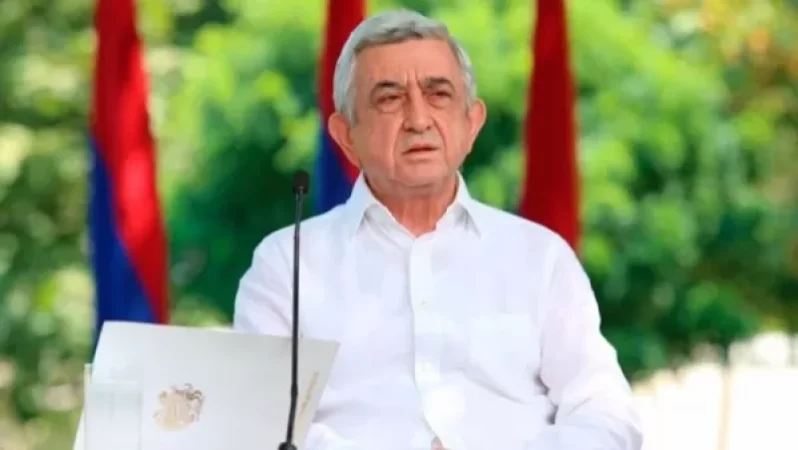
The third President of Armenia, Serzh Sargsyan, has delivered a message on the occasion of the Day of Independence of Artsakh. The message states:
“Thirty years ago, on September 2, during the joint session of the regional and Shahumyan district councils held in Stepanakert, the document on the proclamation of the Nagorno-Karabakh Republic was adopted. This was one of the first important steps for the Armenians of Artsakh to save themselves from extermination and to live freely, independently, and with dignity in a part of their historical homeland, which would later be followed by the referendum on the establishment of independence of Nagorno-Karabakh. The expression of will by the Armenians of Artsakh to remove the unlawfully incorporated Nagorno-Karabakh Autonomous Oblast (NKAO) from Azerbaijan was based on bitter historical lessons. No one had forgotten the complete ethnical cleansing of another part of Armenia, Nakhichevan, which was unlawfully included in Azerbaijan in 1921, the total destruction of millennia-old Armenian monuments, massacres of Armenians in Azerbaijani populated areas, forced relocations, and the targeted resettlement of Azerbaijanis in the NKAO territory.
Artsakh would have also faced the fate of Nakhichevan, where today there is not a single Armenian left, if we had not created the first groups and squads of Armenian militia for self-defense and, later, based on these, the defense army of the Republic of Artsakh, which gave a worthy rebuff to the enemy that invaded its stronghold, drove it out of the borders of the homeland, and joined the process of state-building, beginning to develop with the support of the entire Armenian nation.
The war unleashed against Artsakh in 2020 and the dangerously unilateral decision made in secret by the occupant of the Prime Minister's chair to sign the capitulation document of November 9 opened a new dangerous phase for Artsakh and Armenia, the consequences of which we feel every day in Artsakh and in the border villages of Armenia. The current authorities soothe the public's vigilance regarding the horrors of war seen nearly a year ago with false promises of peace and regional infrastructure unblocking, instilling fear and distrust in their own powers, and leading both Armenian states into new dangers.
Meanwhile, the president of the enemy state himself confessed, and not just once, how he was coerced to recognize the independence of Nagorno-Karabakh “behind closed doors.” I mentioned years ago about the heavy yet victorious war of the 1990s and I will repeat today: at that time, we won a prolonged, arduous, and unequal war. Some say Azerbaijan had more money, weapons, ammunition, equipment, and manpower. This is true, but for me, the war was unequal because the strong was fighting against the weak, and we were the strong. The liberator fought against the invader, and we were the liberator. The just fought against the unjust, and we embodied justice. And we won because we believed in our strength, defended our land and family with dignity, and we would win again if, before the 44-day war, they had not discredited our army, did not conduct a personnel purge in the armed forces, did not replace experienced commanders with the unqualified, did not manage the war incompetently, did not give the Armenian people false promises of victory throughout the war, and afterward did not break the spirit and surrender part of our homeland to the enemy, and did not sacrifice thousands of our children and left hundreds of our compatriots in captivity to be abandoned.
Thirty years ago, Artsakh made its historic decision, and its status is to live securely outside the framework of Azerbaijan, a right that the Armenians of Artsakh certainly also have. The negotiations around the status should aim to internationally codify this simple right, restoring justice from a legal and historical perspective, and taking into account the events of the not-so-distant past, to save Artsakh from ethnic cleansing or extermination in its own ancestral land. All this is possible only with dignified authorities, a strong army, a skilled diplomatic corps, and the daily hard work of a nation that places its freedom above everything, cherishes its faith and national values like a precious light, and glorifies its heroes and victories, coupled with an unwavering belief in its own strength. This is possible, entirely possible, and we have repeatedly proven this throughout our millennia-old and recent history. The Independence enshrined in the declaration should become a commitment and a condition for every Armenian to live and develop with dignity. Each of us is obliged to pay tribute to the memory of the sons who sacrificed their lives for Independence. Then we can wholeheartedly congratulate each other on the occasion of the adoption of the Declaration of Independence and look to the future with unwavering faith.”
Նմանատիպ հոդվածներ
Colorful Celebration to Be Held on September 21 in Memory of Fallen Soldiers, Prime Minister
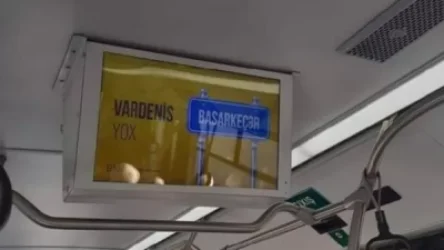
Azerbaijan Implements New Aggressive Propaganda Against Armenia in Public Transport, Lapshin Releases Photos
Armenian Government Announces New Mobilization
Relatives of Fallen Soldiers Attack Officials in Artsakh with Stones
Ավելին Society բաժնից
Ալեն Ղևոնդյանին արգելվել է հրապարակումներ անել և հավաքների մասնակցել
Բացառիկ պատմական արժեք ներկայացնող նվիրատվություն՝ Մատենադարանին
Մարգարայի անցակետում ուշագրավ զարգացում է արձանագրվել