The Law Generally Ignores Family Circumstances in Recruitment for Mobilization, Exercises, and Drills: Ombudsman
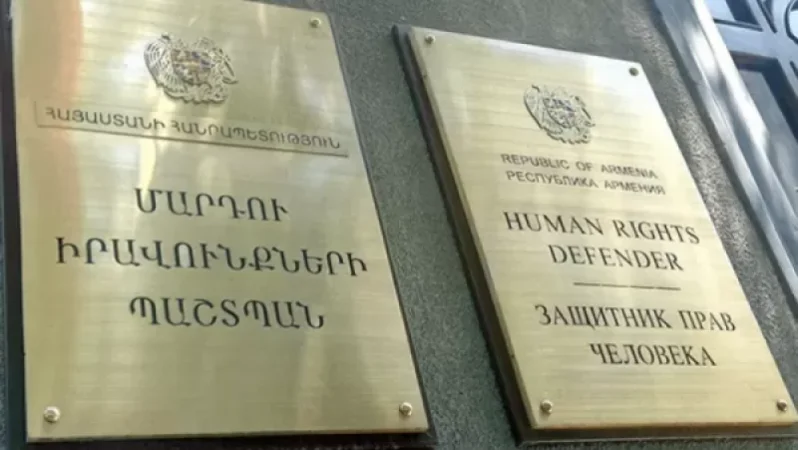
The Ombudsman’s office informs that “the law strictly limits or almost does not take into account the family circumstances of specific categories of individuals. Only those with four or more children are exempt from the mobilization draft due to family circumstances. The scope of citizens subject to mobilization is defined by Article 29, Part 2 of the Law on Defense of the Republic of Armenia.
In contrast to the recruitment for compulsory military service, for which the Law on Military Service and the Status of Servicemen provides numerous grounds for deferral or exemption due to family circumstances, the legislator's approach towards exemptions from mobilization is unreasonably strict. According to the Ombudsman, the scope of this category of persons needs to be reviewed.
It is understandable that the state policy regarding the involvement of conscripts in military action under conditions of martial law may differ somewhat, given the extraordinary circumstances. Nevertheless, such a policy should be based on clear logic and be justified; otherwise, the legal regulation established may be formal and unjustifiable in specific situations.
A vivid example of this can be seen in the case of a serviceman whose whereabouts are unknown or who is a prisoner of war, such as their parent or sibling being exempt from mobilization (not being included in the mobilization draft). Although the Law on Defense of the Republic of Armenia does not formally exempt a family member of a serviceman whose whereabouts are unknown or who is in captivity from mobilization, during the September 2020 war initiated by Azerbaijan, the territorial units of the Armed Forces Recruitment and Mobilization Service (military commissariats) practically justifiably refrained from including such individuals in the mobilization draft due to the circumstances.
The Ombudsman notes that in addition to the aforementioned, there may be other cases where an individual’s involvement in mobilization is also unjustifiable. For instance, an individual may have not four or more children (as required by law for exemption from mobilization) but may have three minor children growing up without a mother or parents with disabilities. Many such examples can be cited. Therefore, the regulations on defining the scope of citizens in this category need to be reviewed. Moreover, considering that there is no established mechanism to take into account genuinely more complex family conditions, it is necessary to create such procedures to provide an individual approach for each specific case.
The Ministry of Defense has informed the Ombudsman that it has received calls regarding citizens involved in mobilization activities due to family conditions (such as being the sole guardian of a minor, being the sole guardian of a family member with disabilities, etc.). Applicants were clarified that the law stipulates cases in which an individual is not subject to the mobilization draft. However, upon receiving applications and complaints, the Ministry of Defense units studied the family composition of the specific individual, and in cases where the facts indicated in the application were verified, military commissariats, as far as possible, refrained from the actions of including individuals from the specified category in the mobilization draft.
Նմանատիպ հոդվածներ



Ավելին Society բաժնից

Ալեն Ղևոնդյանին արգելվել է հրապարակումներ անել և հավաքների մասնակցել

Բացառիկ պատմական արժեք ներկայացնող նվիրատվություն՝ Մատենադարանին
Մարգարայի անցակետում ուշագրավ զարգացում է արձանագրվել