Reservist Officers Appeal to Parliament Over Unpaid Allowances
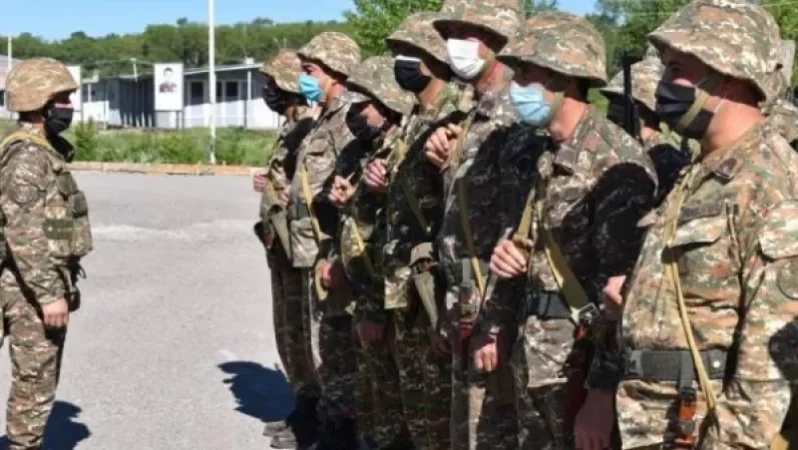
Reservist military personnel have issued an initiative proposal addressing the leaders of the Armenian National Assembly's factions: Haik Konjoryan of the "Civil Contract" party, Seyran Ohanyan of the "Armenia" faction, and Arthur Vanetsyan of the "I Have Honor" party.
The proposal states: "The initiative of the reservist military personnel, represented by Reservist Major Edgar Hovhannisyan and Major Tsolak Khachatryan, who volunteered and heroically died in Jebrayil during the September 2020 war, has repeatedly issued statements regarding the violations of the rights of Armenian servicemen and individuals equated to them. We had also called for public hearings to provide a systematic solution to this issue, specifically regarding the violations of Article 169, Clause 1 of the Armenian Labor Code, effective since June 21, 2005, which results in the full vacation payments not being paid to military personnel and individuals equated to them.
These individuals' rights are visibly violated, and indeed, during the years 2005-2015, vacation payments were provided in accordance with the aforementioned legal norm within the Armenian Ministry of Justice's Penitentiary Service. On August 7, 2010, a revised version of Article 158, Clause 1 of the Labor Code came into effect, and from that time until December 16, 2017, when the law on the Social Security of Servicemen and Their Family Members lost force, the vacations were calculated in calendar days instead of working days.
The fact is that according to Article 169, Clause 1 of the Armenian Labor Code, the employer pays the employee their average salary for annual leave, calculated by multiplying the average daily wage of the employee by the number of vacation days provided. Conversely, military personnel and those equated to them are paid a basic salary equivalent to their rank, which is about 40% less than the legally stipulated payments for annual vacation.
Regarding the calculation of vacation days for military personnel and those equated to them, under Article 158, Clause 1 of the Armenian Labor Code, amended on June 24, 2010, annual leave is a period calculated in working days. According to Article 32 of the now-invalid law on Social Security of Servicemen and Their Family Members, the duration of leave is set at 30 days for servicemen who have served up to 15 years, 40 days for those who served between 15 and 25 years, and 45 days for those who served for 25 years or more.
The amended law on Military Service and the Status of Servicemen, effective December 16, 2017, has reduced the number of days provided and increased the categorization to 'calendar days', essentially neglecting the issue of compensating for the seven-year miscalculation of vacation duration, while only reducing the number of vacation days for military personnel, whereas other structures (such as the NSS, police, and MES) retain the same number: 30, 40, 45 days, even without the categorization of 'calendar days'.
The mentioned violations of the rights of Armenian servicemen and those equated to them have been referred to by the Armenian Human Rights Defender in their annual report back in 2018, yet the violated rights of servicemen remain overlooked by the executive authority.
Moreover, it is important to note that the Armenian government's decision No. 898-N adopted on August 9, 2018, which regulates the calculation of compensation for unused vacation days upon release from military (penitentiary) service, has been made following the penal provision of Article 61, Clause 16 of the law on Military Service, which had been declared unconstitutional and invalid by the Constitutional Court decision No. 1424 just a month earlier, yet authorities continue to act under that penal provision and the government decision in calculating compensation for unused vacation days.
Throughout our public activities, many human rights defenders, political and public figures, initiatives, and parties have publicly addressed the aforementioned issue, expressing their concerns. Emphasizing the role of the National Assembly in overseeing the executive authority, listening to and discussing public concerns, and legislating solutions, and guided by Clause 6 of Article 4 and Article 125 of the Constitutional Law on the Rules of Procedure of the National Assembly, I propose organizing parliamentary hearings to discuss and find solutions to the issue."
Նմանատիպ հոդվածներ

Ավելին Society բաժնից
Ապարանի ջրամբարը կարող է ամբողջությամբ լցվել․ բնակիչներին հորդորում են զգոն լինել

Ինչ է կատարվում Facebook-ի հետ. նոր մանրամասներ

Լայնածաված խափանումներ Facebook և Messnger հավելվածներում