18-55 Year-Old Men Return to Duty for Three Months: Experts Discuss Military Exercises
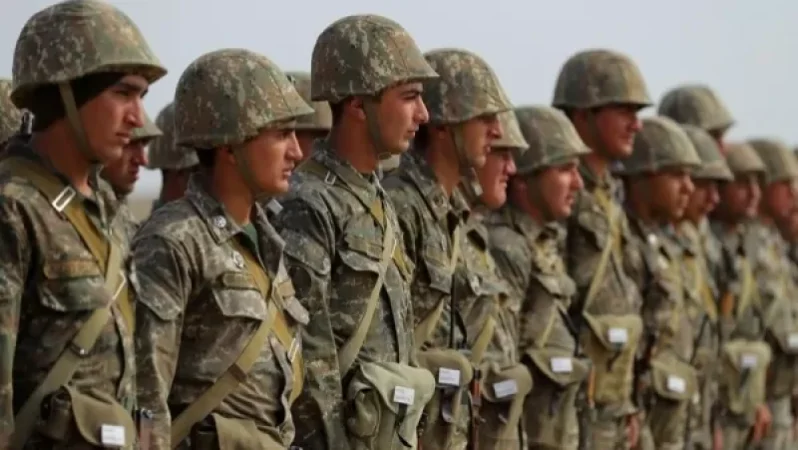
From August 25 to November 25, 2021, the Ministry of Defense is announcing three-month training gatherings for reservists registered in the first category of the first group, including privates, non-commissioned officers, and commissioned officers. Throughout this period, employers are obligated to maintain the job position of the participating individuals or replace them with another employee for the three months, according to reports from HR.
The Ministry of Defense will pay the participants of the training gathering. According to the ministerial sources, participants will also take part in combat duty as needed, receiving higher compensation in this scenario. “The Ministry of Defense will pay the salaries of those participating in the exercises; I cannot specify the exact amount, as it will vary depending on the rank, position, and designated duties,” says Colonel Armen Avtandilyan, head of the draft and mobilization service of the Ministry of Defense.
During these three months, the military personnel’s credit obligations are temporarily suspended, and they will continue making payments after returning from the exercises. Military personnel and their family members can benefit from privileges for soldiers, such as free medical examinations or treatment. There are areas where it is challenging for employees to participate in the exercises because they earn significantly higher salaries in civilian life than what the Ministry of Defense offers.
“The state has done everything to ensure that reservists do not face any issues regarding their service duration or family support. Their salaries are maintained, and upon returning after three months, they will return to work. Generally speaking, people in our region do not benefit from any privileges during mobilizations, for instance, this is the case in Azerbaijan. We must understand that we live in a country where one must always be prepared for military actions,” states military expert Karen Hovhannisyan.
The purpose of the training gatherings is to increase the combat readiness of the reservists and refresh their knowledge, as many of them were discharged 15-20 years ago. According to military expert Karen Hovhannisyan, another goal of the mobilization is personnel replenishment: “It is not a secret if I say that we need specialists in the army, and it is likely that after the exercises, individuals will express a desire to serve permanently in the armed forces,” indicates the military expert.
November 9 did not mark the end of the war, and the motivation behind organizing training gatherings is this reality, believes another military expert, Mher Hakobyan. “There are opinions that a war is expected in the autumn. Obviously, predicting is an ungrateful task, but one must consider that the war has not ended by November 9. Is the Ministry of Defense trying to prepare for such a scenario, the relevant officials would know better,” states the military expert.
The Ministry of Defense informs that due to confidentiality, information about the training locations is not disclosed. According to Mher Hakobyan, if individuals had been informed about the exercises, for instance, a year in advance, they would have been able to prepare both psychologically and socially. Now, they learn only days ahead, and three months is a long period for training. The military expert presents his alternative: “If this is indeed for training purposes, in my opinion, the mechanism is flawed. First, breaks could be introduced; for instance, they could attend training sessions on conditional Mondays, Wednesdays, and Fridays, as if they were going to university. Secondly, individuals should be allowed to return home at night to be with their families. It is psychologically challenging to be separated from one’s family and essentially serve a mini-term. If things were as I suggested, people would also stop resisting this process,” notes Mher Hakobyan.
A person avoiding participation in the exercises could face imprisonment of up to three years under Article 327, part 1 of the Criminal Code, states Colonel Armen Avtandilyan, head of the draft and mobilization service of the Ministry of Defense. There are also citizens exempt from the exercises: “According to regulation 11/74, those who hold official positions or have health issues are not subject to the training gatherings, while all others are,” states Colonel Avtandilyan.
Participation in the gatherings will be included in the citizen’s military service or overall employment record, states Armen Avtandilyan, explaining the principles by which participants will be selected: “The draft regulations specify that those in the first group, first category, must participate in the exercises, mainly those reservists who have previously served in the armed forces and are registered in the reserves. A change has recently been made in the law; previously, the first group, first category included individuals up to 48 years old, but now it includes those up to 53. The first group also encompasses junior officers, which includes those aged 18 to 55,” notes Colonel Avtandilyan.
The training gatherings will commence on August 25, and experts believe this is the only effective option for increasing combat readiness, but as for what it will look like in practice, we will understand in the future.
Նմանատիպ հոդվածներ

Photos: Azerbaijani Forces Open Fire Targeting Peaceful Settlements Near Shushi, Says Artsakh Ombudsman
Defense Ministry Denies Reports of Attack by Two Armenian Soldiers on Azerbaijani Soldier
Ministry of Defense Comments on Border Incident in Tavush Region
Russian Border Guards Have Encircled Azerbaijani Soldiers in Syunik
Ավելին Society բաժնից
Ապարանի ջրամբարը կարող է ամբողջությամբ լցվել․ բնակիչներին հորդորում են զգոն լինել

Ինչ է կատարվում Facebook-ի հետ. նոր մանրամասներ

Լայնածաված խափանումներ Facebook և Messnger հավելվածներում