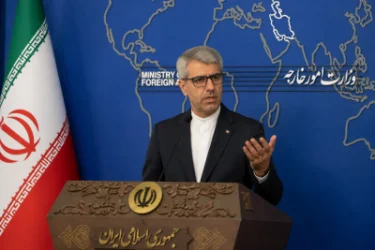
Azerbaijani President Confirms Presence of Azerbaijani Forces in Armenia: Foreign Ministry's Response to Aliyev's Statements
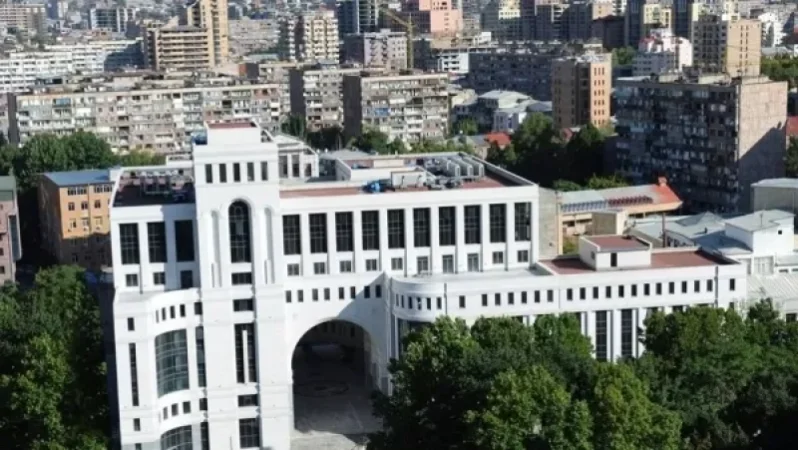
Azerbaijani President Ilham Aliyev, in a recent interview, effectively acknowledges the fact that Azerbaijani forces are present on the territory of Armenia. This was stated in response to a query from the Armenian Ministry of Foreign Affairs’ information and public diplomacy department, which emphasized that this is nothing but a gross violation of international law.
The Foreign Ministry also highlighted that the Azerbaijani President's provocative actions are accompanied by the circulation of statements about a so-called “Zangezur corridor,” which entirely contradicts the known tripartite agreements.
Addressing Aliyev's comments regarding the recent war, the Foreign Ministry pointed out that although the Azerbaijani President clearly demonstrates that the war unleashed against Artsakh aimed to erase Nagorno-Karabakh from the map of the region, “Azerbaijan's revision of its international commitments and use of force cannot lead to the disappearance of Nagorno-Karabakh from the international arena.”
Question: In an interview with the Azerbaijani state television AzTV, President Ilham Aliyev made another statement claiming territorial ambitions towards the Republic of Armenia. How do you comment on these statements?
Response: The Azerbaijani President provided several comments in his interview, of which we will address a few that clearly showcase the leadership's approach to using force as an instrument of regional policy.
Firstly, in the aforementioned interview, the Azerbaijani President essentially admits that Azerbaijani forces are present on the territory of the Republic of Armenia, justifying this by claiming that “Zangezur is our ancestral land.” This is nothing more than a gross violation of international law, as no international norm or principle recognizes attempts to occupy the territory of a neighboring state based on distorted historical justification.
It should be noted that these provocative actions are accompanied by the Azerbaijani President’s circulation of the term “Zangezur corridor,” which completely contradicts the tripartite joint statements of November 9, 2020, and January 11, 2021, which contain provisions for unblocking existing economic and transport routes in the region. Understanding that its demands violate international law, Azerbaijan attempts to present its readiness to resolve the issue through the use of force as an argument.
Secondly, the Azerbaijani President clearly indicates that the war unleashed against Artsakh aimed to erase Nagorno-Karabakh from the map of the region and deprive its people of their homeland. Nagorno-Karabakh, as a territorial entity, is recognized in several international documents, most of which Azerbaijan has joined or expressed its consent. Azerbaijan's revision of its international commitments and use of force cannot lead to the disappearance of Nagorno-Karabakh from the international arena. This approach evidently seeks to infringe on the human rights of the people of Artsakh, including the right to self-determination and the territorial integrity of Artsakh.
Thirdly, Azerbaijan claims that it has managed to impose its agenda on the international community in the post-war period. We do not deny that Azerbaijan has made and continues to make such attempts, based on the approach of removing the Nagorno-Karabakh conflict from the international agenda by violating the territorial integrity of Armenia. The fact that the international community, represented by the OSCE Minsk Group co-chairmanship, co-chairing countries, and numerous other international actors, clearly states that the Nagorno-Karabakh conflict is unresolved best illustrates that Baku's attempts have failed.
Fourthly, Azerbaijan continues to pursue a policy of deepening the humanitarian consequences of the war rather than overcoming them, as expressed by the suspension of its commitments regarding the exchange of prisoners of war, hostages, and other detained civilians, and by the continued criminal prosecution and promotion of hatred against Armenians.
Fifthly, the use of force and the threat of force cannot create lasting peace and pose dangers for all countries and peoples in the region.
Armenia will consistently advocate for the realization of the right to self-determination of the Artsakh people in Artsakh territory and defend the territorial integrity of the Republic of Armenia based on international law.
Նմանատիպ հոդվածներ
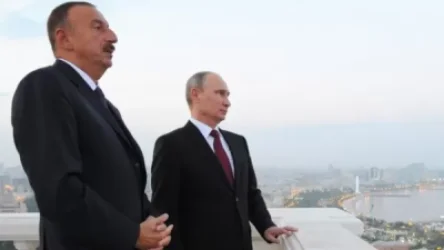
Aliyev's Purpose for Moscow Visit Revealed: Official Kremlin Confirms
Lavrov: Our Closest Neighbors and Fraternal Peoples Are Being Forced to Choose Between the West and Russia
Pashinyan as Prime Minister, Karapetyan as Defense Minister, Narek Mkrtchyan as Minister of Labor and Social Affairs: Presidential Appointments
Yerevan Disagrees with Moscow: What Did Pashinyan's Response Mean?
Ավելին Politics բաժնից
Կարևոր ուղերձ՝ ՌԴ–ՀՀ հարաբերությունների ֆոնին
ՌԴ-ն պնդում է` ամերիկյան միջուկային զենքը պետք է դուրս բերվի Եվրոպայից
Վերահաշվարկից հետո կուսակցությունների ձայների հաշվեկշռում փոփոխություններ են արձանագրվել