Simple Manipulation and Nothing More: 'Fact'
The newspaper 'Fact' writes: 'The heavy defeat suffered in the 44-day war in Artsakh has shifted the balance of power in the region. Azerbaijan has not only seized territories belonging to Artsakh but has also begun to make overt territorial claims against Armenia. Thus, it is no coincidence that Azerbaijani armed forces have invaded the sovereign territory of Armenia, particularly in Syunik and Gegharkunik regions, and for days now, they have shown no intention of retreating; in fact, according to circulating information, they are continuing to strengthen their positions in certain directions.
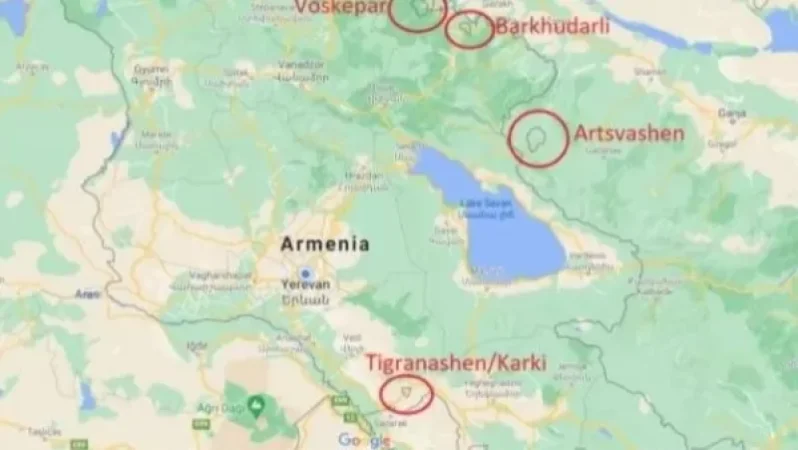
At the same time, Azerbaijan wants to obtain the territories within Armenia that were under its control during the Soviet period, namely the exclaves, which from Armenia’s perspective were enclaves. It is a well-known fact that during the Soviet era, there were Azerbaijani exclaves within the administrative territory of the Armenian SSR, while there existed the Armenian exclave of Artsvashen in the territory of the Azerbaijani SSR.
The question is that as a result of the Armenian-Azerbaijani conflict in the early 1990s, all enclaves practically disappeared; however, this issue came back to the discussion table on November 9, 2020, when a preliminary version of the trilateral statement published on the official Kremlin page mentioned the transfer of Tavush villages to Azerbaijan, but shortly thereafter this section was removed from the text. Perhaps that is also why, until recently, information was circulating that Armenian authorities had agreed to hand over its former exclaves to Azerbaijan.
Recently, a working document regarding demarcation that surfaced online has intensified discussions on this topic. Specifically, it involves the handover of all former Azerbaijani exclaves—five villages in Tavush and the village of Tigranashen (Kyarki) near the border with Nakhichevan in the Ararat region—to Azerbaijani control.
Essentially, it is planned to discuss the restoration of the borders existing within the former Soviet Union, but there is no binding demand in international law that the internal borders must become the borders of the independent states after the collapse of a federal state. Therefore, this claim should not be accepted unequivocally, and it is necessary to apply countermeasures in the diplomatic field.
Moreover, according to the first part of Article 205 of the RA Constitution, issues concerning membership in international organizations and changes to the territory of Armenia are to be resolved through referendums. However, authorities, as Prime Minister Nikol Pashinyan announced, are planning to sign this anti-Armenian document, ignoring the requirement for a referendum in the case of territorial changes.
On the other hand, it is pointless to expect that the National Assembly will appeal to the Constitutional Court on this issue, since the parliament recently gave a green light to the actions of the authorities during an extraordinary session. It should not be overlooked the strategic significance of the issue of handover of exclaves, as the areas that will pass to Azerbaijan are at crucial junctions. First, the exclaves in Tavush are critical to the roads linking Armenia to Georgia and Armenia to Russia, and also to the gas pipeline coming from Russia, while Tigranashen is on the strategic highway connecting Yerevan to Meghri, which, in fact, links Armenia to Iran.
It turns out that if these exclaves are handed over to Azerbaijan, Armenia will be cut off from its routes to the outside world. Thus, it appears that the Azerbaijani side is not only intruding into Armenia's territory with impunity and occupying key heights but also gaining significant influence over Armenia's transit and infrastructure routes through these exclaves. In this case, it should be considered that Iran and India, which are interested in ensuring that the North-South corridor, which is meant to connect the Persian Gulf to the Black Sea, passes through Armenia, will lose their interest in this initiative, and the realization of the project through the territory of Armenia will be put into question.
However, it is astonishing that, while the handover of exclaves creates very serious dangers for Armenia, Pashinyan is trying to justify himself from the National Assembly podium by bringing up the issue of Artsvashen, although the significance of this exclave cannot be compared to that of the Azerbaijani exclaves. First, Artsvashen is located about 20 km away from Armenia's border village of Vahan, a distance that would pass through Azerbaijani territory. So, who and how will ensure the security of that route remains a question. It is true that the residents of Artsvashen may give great importance to this issue due to historical ties, but the fact is that Levon Ter-Petrosyan once agreed to exchange it or, so to speak, barter it. On the other hand, the Azerbaijanis have turned Artsvashen into ruins.
Thus, no matter how painful the issue of Artsvashen may be for not only its residents but every Armenian, raising this topic currently is a clear manipulation. Overall, raising the question of exclaves essentially means that Armenia is not only conceding its communications but also giving Azerbaijan a way to connect with Nakhichevan. However, this does not prevent Nikol Pashinyan from openly declaring that the preparing document fully aligns with our interests, while emphasizing regarding the lifting of communications that if Azerbaijan wants a road, we want a road as well.
Now the authorities cannot even guarantee the safety of roads going through Syunik, stating for instance to call the NSS, and so on, so what confidence do they have in speaking of roads passing through Azerbaijani territory? Is there any guarantee? Of course not. Thus, the logic of Azerbaijan's demands suggests that Armenia will continue to make unilateral concessions. If, of course, these authorities remain, which has almost zero probability unless there are total, unprecedented, unrestrained forgeries.'
Նմանատիպ հոդվածներ
Ավելին Politics բաժնից
Արաղչին` ռուսական առաջարկի մասին
Փաշինյանը հանդես է գալիս պատերին ծեփելու, ասֆալտին փռելու սպառնալիքներով. Իվետա Տոնոյան
Ալիևը նորից սպառնում է «Զանգեզուրի միջանցքով»