The Consequences of Attacks on the Army Will Long Negatively Affect the Construction of a New System: Abrahamyan
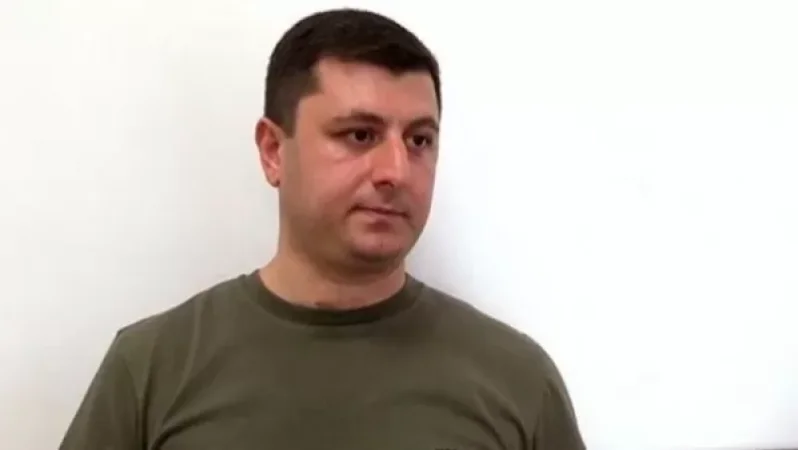
The head of the 'Henaket' analytical center, Tigran Abrahamyan, wrote on his Facebook page: 'The war and the subsequent processes—placing the entire responsibility for defeat and tragedy on the army, its command, military personnel, reservists, and volunteers—served two main purposes for the authorities: to release the political elite from being the number one culprit and responsible party, and to ensure the reproduction of power through snap elections.
The process of discrediting the military, which began in 2018, has already undergone two transformational phases and continues to subject the authorities to new, profound trials in line with contemporary realities and demands. The security system, in all its components, has not been built overnight, and it is natural that internal resistance has been a constant factor throughout this period. However, the war hastened these processes, and there are serious issues regarding the system's immunity.
Regardless of what kind of army we build, transform, or reform in the future, professional military personnel will be at its core. The negative consequences of attacks on the army will linger for a long time, impacting the construction of the new system. Soldiers are the backbone of the army, and aside from a few exceptions, it should be noted that even under the difficult realities of today, they continue to serve under quite tough conditions.
When we talk about the absence of border infrastructure or insufficient conditions, domestic issues, armaments, and other problems, we must always remember that even under these conditions, and in even more complex circumstances, our military personnel continue to fulfill their high mission.'
Նմանատիպ հոդվածներ
Urgent: Azerbaijanis Completely Take Control of Lake Sev

Official Response of the Ministry of Defense on Azerbaijani Actions in Syunik
Currently, I cannot provide any information regarding the gunfire; the opponent has troop build-ups: Goris Deputy Mayor
Azerbaijani Armed Forces Attempt Position Advancement in Vardenis and Sisian Border Areas, MoD
Ավելին Society բաժնից

Հայ մարզիկը հաղթել է ադրբեջանցուն․ Եվրոպայից վերադառնում ենք մեդալներով
Թոշակառուն ո՞նց վճարի․ Ծառուկյանի կոշտ քննադատությունը

Մեքենան գլորվել է գետը․ կա տուժած