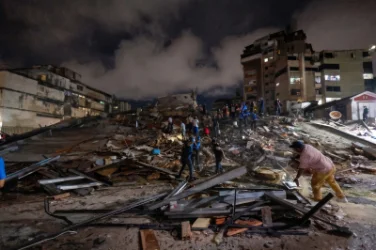
Turkey Teaches Azerbaijan to Fight: How the Balance of Power in Artsakh Has Changed

Turkish-Azerbaijani military exercises have begun in the Kars province of Turkey on February 1 and will continue until February 12. The military commentator for Gazety.Ru, Mikhail Khodaryonok, writes about the details of the military-strategic situation in the region and its potential changes.
The ongoing Turkish-Azerbaijani exercises involve motorized infantry and tank units, missile troops and artillery, air forces, and special operations squads. The Turkish Ministry of Defense has announced that the aim of the maneuvers is to ensure coordination of actions during joint operations and to test new weapons and vehicles.
The events will also focus on developing air strikes on hypothetical enemy targets, air drops, and logistical and technical support issues. The exact number of personnel and equipment involved in the exercises has not been specified. Official reports only mention “large-scale” exercises.
There is no doubt that the exercises in Kars will refine the skills of the commanders and staffs of the Turkish and Azerbaijani armed forces in conducting military operations, as well as in preparing and conducting command and control of troops. Special attention will be given to improving the coordination of unit and formation actions. The main issue is enhancing the field readiness of the troops and improving control questions for the coalition grouping of forces.
In this regard, the starting Turkish-Azerbaijani exercises are not so much interesting, as they represent a standard element of the joint combat and operational readiness of the armed forces of both countries (which likely won’t lead to any upheavals in the South Caucasus). A more crucial concern is how the geopolitical situation in this volatile region will evolve in the near future.
Not long ago, Azerbaijani President Ilham Aliyev, addressing Armenian Prime Minister Nikol Pashinyan regarding a tripartite statement on Nagorno-Karabakh, stated, “So, what now, Pashinyan? Where is your status? This document does not mention a word regarding the status of Nagorno-Karabakh. Your status has been thrown into hell—it's scattered. There is no status, and there will not be as long as I am president. This belongs to Azerbaijan.”
When assessing the situation in the region, Aliyev’s words must be kept in mind. Most likely, this is not merely a declaration from a head of state, but a program of action for Azerbaijan's political leadership in the near future.
Moreover, it should be noted that Aliyev has recently created an effective tool to address his internal and external political issues—a modern army. In the foreseeable future, Azerbaijan’s military capabilities will only increase, aided by both the potential of its economic complex and its military-political alliance with Turkey. Moreover, Azerbaijan’s incredibly advantageous geographical position will largely contribute to the consolidation of Baku's positions. As American political scientist Zbigniew Brzezinski metaphorically expressed, Azerbaijan can be called a vital “plug” controlling the entrance of the “bottle” filled with the riches of the Caspian Sea basin and Central Asia.
Gas and oil pipelines transit through Azerbaijan, which then stretch towards ethnically related Turkey, which is providing Baku with increasing political and military support. The military-technical cooperation between Baku and Ankara will be exclusively on an upward trajectory. And whereas last year, Azerbaijan's air force and military aviation did not practically take part in armed clashes, today there are grounds to assume that Baku will soon have such capabilities.
For its part, Armenia today finds itself in a distinctive geopolitical trap. The country has virtually no means of independent connection to the outside world, both through land (mainly rail) and air, let alone maritime routes. The population of Armenia (already quite small for an independent state) shows a persistent trend towards further decline. The country’s economy also does not display impressive growth rates.
The opportunities for Yerevan to create a formidable armed force are decreasing year by year. First, there is a lack of funds in the republic’s budget to acquire a sufficient quantity of modern weapons, military, and special equipment. Second, Armenia's ally Russia in the CSTO cannot provide a sufficient amount of weapons to Armenia, let alone for free. As for other potential arms suppliers, in this case, payments need to be made entirely in “real” money, which Armenia lacks in sufficient quantity.
Moreover, the possibility for Armenia to create a military force and arm it with modern and prospective equipment that could rival Azerbaijan’s armed forces seems highly illusory. Regarding the forces in Nagorno-Karabakh, even at their best, they cannot exceed the limits of semi-partisan units.
It should not be forgotten that Nagorno-Karabakh is legally a part of Azerbaijan, and the international community recognizes and does not dispute the borders of the state. In any scenario for the development of the military-strategic situation, hostilities will take place on Azerbaijani territory.
As for Russia's role and participation in the affairs of the South Caucasus, on one hand, Moscow is Yerevan’s ally in the CSTO. On the other hand, the Kremlin has no reason to complicate its relations with Baku. Among other things, there is a large Azerbaijani diaspora within the territory of the Russian Federation, which is well-integrated into the Russian economy. Furthermore, at this stage, Moscow is not strong enough economically, financially, and even militarily to restore its unquestionable dominance in this region. Internal strategists and analysts need to take this fact into account as well.
Նմանատիպ հոդվածներ
Response of Nikol Pashinyan's Spokesperson to the Situation Surrounding Levon Aronian
Soldier Wounded by Sniper Fire Went Missing While Being Transferred to Armenia
Why Azerbaijani Soldiers Were Handed Back to Azerbaijan So Quickly. Abrahamyan
Agreements Reached Between the Deputy Prime Ministers of Armenia, Azerbaijan, and Russia in Moscow
Ավելին Society բաժնից
Վենեսուելայի երկրաշարժից հետո կան վիրավոր և անհետ կորած հայեր
Ֆրանսիայում ռեկորդային շոգի պատճառով ատոմակայաններ են կանգնեցվում
Անահիտ Մանասյանն ընդունել է Անդրանիկ Թևանյանի իրավունքներին առնչվող հարցերը բարձրաձայնող անձանց