Armenian Diplomat Unveils the Most Ruthless Mystery Among the Perpetrators of the Armenian Genocide
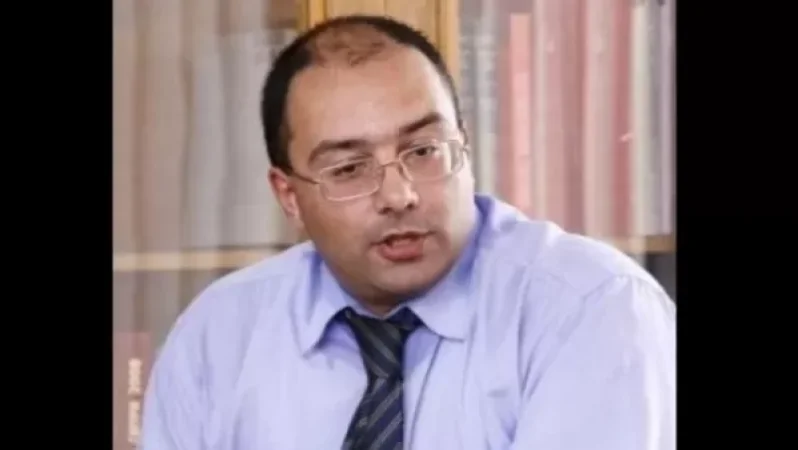
Among the figures responsible for the Armenian Genocide, one stands out for his cruelty: Salih Zeki (Kusharkov) has remained shrouded in mystery for decades in historical discourse. Armenpress spoke with Arsen Avagyan, head of the Department of Neighboring Countries at the Armenian Ministry of Foreign Affairs, Doctor of Historical Sciences (Russia and Armenia), and professor (Yerevan State University), who has uncovered the enigma of Hresh Zeki by studying Ottoman, Russian, and Georgian archives.
“Salih Zeki was born in 1883 in the city of Samsun, of Circassian ethnicity. His father had immigrated to the Ottoman Empire during the great migration of the Circassians in 1864 from the Kuban region of North Caucasus. In Armenian sources, if we look at all the memoirs relating to the genocide or generally covering the events of that period, Salih Zeki’s name appears as Hresh Zeki, who served in 1915 in Everek, and later became the governor of Deir ez-Zor province, where the largest concentration camp was located and organized, according to various estimates, the extermination of about 200,000 Armenians. The issue concerning Salih Zeki is that, upon reviewing the sources, it seems that he appeared in 1915, conducted his most heinous activities in 1916, and then disappeared. In other words, there is very little information about his past life and future,” Avagyan told the news outlet.
Avagyan found information regarding Salih Zeki in Ottoman, Russian, and Georgian sources; however, there are about 210 officials with the same name listed in the Ottoman archives, complicating researchers’ work. “Since I served twice between 2001-2005 and 2015-2019 as Armenia’s permanent representative to the Black Sea Economic Cooperation Organization, and because my monographs and academic articles have been published in Turkish, I have a considerable recognition, which allowed me access to the Ottoman archives. I spent six years conducting research in the Ottoman archives, gathering numerous diverse archival documents. Additionally, there are many important materials about Salih Zeki in Russian archives. I found several documents from Georgian archives as well since Salih Zeki lived in Tbilisi from 1925 to 1933. My Turkish historian friends assisted me with some materials from the Azerbaijani archive. Salih Zeki played a significant role in the establishment of Soviet rules in Azerbaijan, which is confirmed by archival documents. Interestingly, he was also the deputy chairman of the commission for developing the Latin alphabet for the Azerbaijani language and the chief editor of the Azerbaijani magazine ‘Dai Yildiz’ and newspaper ‘Yeni Fikir’,” he noted.
Salih Zeki had a substantial role in the implementation of the Armenian Genocide. His appointment as governor of Deir ez-Zor was due to his particular cruelty. “Salih Zeki’s appointment as governor of Deir ez-Zor was proposed by the then governor of Syria, Abdul Halik Renda. Notably, Renda justified the appointment intriguingly, stating that the previous mutasarrif, Adil Bey, was very compassionate towards Armenians, not exterminating the displaced Armenians but creating conditions for them, and someone was needed to implement the planned extermination of Armenians. Renda proposed the candidacy of Salih Zeki, who had already gained a reputation in Everek for his cruelty. Many events in the history of the Armenian Genocide are linked to Salih Zeki, for example, in Everek, he hanged Ottoman Parliament member Great Murad and his eight companions, unlawfully exiling the family of the Dardanelles hero, Sargis Torosyan,” Avagyan told Armenpress.
Avagyan’s studies revealed that Zeki also used convert Armenians to destroy Armenians. “Salih Zeki utilized convert Armenians to annihilate Armenians. He said that if you converted, you must prove your loyalty by exterminating your compatriots. Salih Zeki also gathered groups from the Chechens in the region, which he utilized in the destruction of Armenians. There are numerous memoirs from witnesses and survivors where Salih Zeki’s name is mentioned. Ottoman Parliament member Emmanuel Emanulidis noted that in 1917 he met Salih Zeki, who expressed regret for having exterminated 60,000 Armenians, burning children alive, and even wanting to commit suicide. In his short autobiography written in Moscow in 1933, Salih Zeki, describing the destruction of Armenians and the bloody scenes and massacres that took place during the deportation of Armenians, admitted, ‘as governor, I bear responsibility since I participated in this vile act,’” said the historian-diplomat.
In 1918, Salih Zeki left Turkey. In 1920, he was sentenced to death, a decision signed by the Sultan, but it was never executed, after which Zeki embarked on a communist path, under the surname Kusharkov. “That man became a communist, and interestingly, he worked with Armenians at that time. After exterminating Armenians, he collaborated and worked with Armenian communists. Moreover, Anastas Mikoyan significantly assisted Salih Zeki during his communist activities. Salih Zeki played a considerable role not only in the establishment of the Communist Party of Turkey but interestingly, he was the link through which connections were established between Turkish communists in Baku and the national movement in Anatolia. Moreover, both in his personal file and in various reports compiled about him, it was noted that Zeki participated in the extermination of Armenians,” Avagyan said.
Several circumstances related to Salih Zeki (Kusharkov) contributed to his character remaining undisclosed for decades. The information published in the Armenian press in 1918 played a role in this. “Turkish historiography does not deny Salih Zeki’s existence, but there is a problem: there is no study about Salih Zeki in Turkish historiography, and an interesting point is that whoever briefly mentioned Salih Zeki attributed him the wrong surname, thus contributing to this person disappearing from the historical stage. Armenian newspapers noted that in 1918 he was arrested and killed by soldiers of the Armenian Legion near Beirut along with his assistant. There are other reports that he was arrested and killed by Armenians in Syria. However, in reality, he was in Istanbul at that time, and by the end of 1918, he had already moved to Baku. He feared being prosecuted for the crimes against Armenians. And that’s precisely how it happened,” the diplomat noted.
Salih Zeki’s name was involved in both the small and large lists of Nemesis. Many of his colleagues knew who he was, and there were no assaults on him by Armenians. Salih Zeki died on November 3, 1940, at the age of 57 in Moscow.
Նմանատիպ հոդվածներ

Ավելին Politics բաժնից
«Ուժեղ Հայաստան»-ը ևս հայտարարություն է տարածել Գագիկ Ծառուկյանի հետ կապված

Մարթա Կոսը հայկական ծիրանով մուրաբա է պատրաստել
«Միասնության Թևեր»-ի անդրադարձը` Գագիկ Ծառուկյանի ձերբակալմանը