Excerpt from Former Deputy Police Chief's Interrogation on March 1 Case
Former General Lieutenant of the Police of the Republic of Armenia, Hayk Harutyunyan, who served as the head of the police from 1999 to 2008, had the status of a witness in the March 1 case. Tert.am publishes certain excerpts from his testimony.
The investigator from the Special Investigation Service asked Hayk Harutyunyan about the actions of the police on March 1 and 2, 2008, to which he replied: “In response to the investigator’s question, I clarified that during the March days of 2008, as I recall, after the presidential elections held on February 19, there were protests mainly in Liberty Square. These protests were organized by the defeated presidential candidate Levon Ter-Petrosyan and his supporters. Levon Ter-Petrosyan announced during the demonstrations that he was the elected president and that the people would take him to Baghramyan 26. This created a disturbing and tense situation; my concern was that clashes might occur. My order was for the deploying units to show vigilance and not to fall for provocations.
During those days, as I recall, on February 28 or 29, the then-head of the National Security Service, Gorik Hakobian, contacted me and conveyed that operational data had been obtained indicating that weapons were accumulating in Liberty Square, and that possible provocative actions might occur. Upon receiving this information, I instructed Armen Yeritsyan to clarify the validity of the data received from the NSS, and Armen Yeritsyan reported to me that indeed, there was information about the accumulation of weapons in Liberty Square. After receiving such information, I called a consultation on February 29 and ordered a technical check to be carried out in the morning to verify the presence of weapons in Liberty Square.
I assigned the execution of this order to the operational block led by Armen Yeritsyan, and the service block was assigned to Sasha Afyan. Sasha Afyan was to cordon off Liberty Square with the service block, while the operational block, comprising the Criminal Intelligence Department and Special Forces, was to carry out the location assessment. I instructed the forces conducting the technical check to go to the square without special means, as they would not be able to conduct an assessment with such means.
My concern was that something might explode in Liberty Square, resulting in casualties, and that this would complicate matters for the acting government. That was my concern. Until the event began, Gorik Hakobian informed me that there had been a leak of information and that the participants in Liberty Square were already aware of the forthcoming event. On the morning of March 1, Sasha Afyan reported to me that officers were expected in Liberty Square, and the assessment could not be carried out due to clashes between police and protesters, after which the protesters were removed from the square to enable the assessment to be conducted.
After removing the protesters from Liberty Square, the area was cordoned off, and then investigative and operational actions were carried out, resulting in various types of weapons being discovered. After that, I was informed that protesters were gathering near the Italian Embassy, and I ordered police forces to be sent to that area to maintain public order.
I should also mention that under no circumstances did the police wish to disperse the protests; they only wanted to conduct an assessment to verify the operational data received, and my order was that after the assessment, the protesters could return and continue their protest at the Theater Square. As we approached the statue of Myasnikyan, the number of protesters increased. Subsequently, the police commanders on duty began negotiations with the leaders of the protesters to move their demonstration to the vicinity of the Matenadaran or elsewhere in Yerevan. It was also stated that it would not be possible to go to Opera Square, as investigative and operational actions continued there.
I recall being informed that an initial agreement had been reached with the leaders of the protesters to move their protest to the Matenadaran, at which point the police units withdrew from that area. However, Levon Zurabyan intervened and refused to move the protest to the Matenadaran. At that time, I instructed Sasha Afyan to talk to Levon Ter-Petrosyan and persuade him to come to the vicinity of the Italian Embassy to calm the people and ease the tense situation, but later I was informed that Levon Ter-Petrosyan had refused to come.
After removing the police units from the area, disturbances occurred near the statue of Myasnikyan and in adjacent areas, including near the city hall and the Sundukyan Theater. Police cars were set on fire, and clashes occurred with the police. After that, the protesters closed Grigor Lusavorich Street with buses and vehicles.
Subsequently, I was informed that loudspeakers had been brought near the statue of Myasnikyan, and the leaders of the protesters were delivering speeches. The situation was escalating, with cars being set ablaze on Mashtots Boulevard. To prevent the disturbances from spreading further, I ordered police forces to concentrate near the ‘Fish Market.’ At that time, I entrusted the overall command of police forces to Armen Yeritsyan.
Afterward, I was informed that clashes were occurring between the police and the protesters. I was told that during the first clash, a grenade thrown exploded, resulting in the death of police unit commander Hamlet Tadevosyan. At that time, I ordered the commander of the police units, Grigor Grigoryan, to avoid clashes and confrontations at all costs. I should also note that Grigor Grigoryan reported to me that they attempted to create a barricade with barbed wire to prevent clashes with the protesters, but it was unsuccessful, as the protesters attacked and seized the barbed wire vehicle. It was also reported that metal structures, Molotov cocktails, and stones were being thrown at the police units. Grigor Grigoryan also reported that he noticed protesters shooting at them, meaning he observed how people in civilian clothing fired shots at the protesters.
During this time, I was being informed about a large number of injuries among police officers, as well as casualties. The last casualty reported to me was police officer Tigran Abgaryan, who was injured in the neck on Leo Street. By around 22:30, the President of the Republic of Armenia signed an order to impose a state of emergency, under which the maintenance of order during the state of emergency was entrusted to the Armed Forces of the Republic of Armenia. After imposing the state of emergency, about 1 or 2 hours later, the situation gradually calmed down.
The next day, I visited the police hospital, where a large number of police officers were receiving inpatient treatment at that time. On the same or the next day, President Robert Kocharian also visited the police hospital. After that, I held a consultation at the police, but I do not remember the details.
On May 29, I was relieved from the position of the head of the police, and on June 18, I was appointed as the head of the State Protection Service of the Republic of Armenia, which I held until 2014.
To the investigator’s question about whether I participated in any consultations convened by the President of Armenia between February 23, 2008, and March 1, and if so, what I could mention regarding the circumstances of the consultation, particularly who participated, what was the necessity and purpose for convening the consultation, what issues and problems were discussed during the consultation, what decisions were made, and what instructions were given both to the Police of Armenia and to other state bodies, Hayk Harutyunyan replied that he participated in a consultation at Baghramyan 26 on February 23, with the leadership of the NSS and the police also invited.
“President Robert Kocharian was concerned about the situation and wanted to ensure that no clashes occurred. Since there was information from the Armed Forces that some had joined the protesters, including Deputy Ministers of Defense Gagik Melkonyan and Manvel Grigoryan, the President’s requirement was that the officers refrain from interfering in internal political events or to exit the system and later participate in political events, and he demanded that neutrality be maintained. I do not remember any other consultations,” said Hayk Harutyunyan.
He also stated that he reported to the Prime Minister of Armenia Serge Sargsyan and President Robert Kocharian about the situation that developed in Yerevan. On the morning of March 1, he reported to Robert Kocharian only about the events taking place in Liberty Square: “I reported to the President that I received information from the NSS head about the accumulation of weapons in Liberty Square and instructed to verify the authenticity of the received information. If confirmed, we should enter, carry out an assessment, and discover them. At that time, Robert Kocharian told me that he had been informed about this by Gorik Hakobian, after which he asked how they would conduct the assessment to avoid clashes, and I explained that we would go without weapons and without special means, which would be carried out by Sasha Afyan, who, during those days, always contacted the protesters and could manage to get in touch with them.
To the investigator’s question about whether he was aware of the highly confidential order signed by the Minister of Defense of Armenia Mikayel Harutyunyan on February 23, 2008, and its content, Harutyunyan replied, “I only learned about the mentioned order months ago, after your results were published online, and before that, I did not know anything about that order.” To the question of whether the order No. 0038 was signed by the Minister of Defense of Armenia Mikayel Harutyunyan, Hayk Harutyunyan stated that he had only learned about the order No. 0038 in recent months and was not aware that military units were transferred to Yerevan back in February. “As for the organization and execution of military drills by military personnel with the police, I do not recall such an incident, but as far as I remember, such a thing should not have taken place. The army appeared on the streets of Yerevan when the disturbances began, and I cannot say whether it was after declaring a state of emergency or before. On March 1, when the situation was already serious, I cannot specify the exact time; I was also informed that public order in Yerevan should be directed and coordinated by Yuri Khachaturov and that everyone should obey him.”
To the question of whether the police cooperated with the military, Hayk Harutyunyan responded negatively: “During those days, there was no cooperation with the Ministry of Defense. As I mentioned, on March 1, when the situation was very tense and there had already been casualties, at that time, I was told that the commander of the Yerevan garrison, Yuri Khachaturov, would lead and coordinate the maintenance of public order. As for any support from the Ministry of Defense, there was no assistance.”
Hayk Harutyunyan emphasized multiple times in his testimony that the police were only present in Liberty Square to conduct an assessment. Regarding the investigator's question on whether he had given an order to disperse the protests, Hayk Harutyunyan replied: “Regarding the instruction to disperse the protest, I categorically exclude that. Under no circumstances did I issue directives to the Yerevan Special Forces to disperse the demonstration in Liberty Square; it is possible that after the clash, the Special Forces entered the square to calm the clash and to remove the protesters from there. Concerning Robert Kocharian’s statement at YSU, this is the first time I hear of that statement. As for the lack of video footage, I had instructed that ‘02’ make recordings on-site, but I do not currently know where those videos are. I remember that there were recordings of the moment when Afyan approached Levon Ter-Petrosyan standing on the stage and informed him about the purpose of the visit. As far as I recall, Sasha Afyan even addressed the protesters with a loudspeaker; however, clashes occurred. I also remember that Levon Ter-Petrosyan addressed the protesters, saying, ‘These are our policemen, wait, let’s see what they want,’ but they did not listen to Ter-Petrosyan either.”
Նմանատիպ հոդվածներ
Ավելին Politics բաժնից
ՏԵՍԱՆՅՈՒԹ. Ալեն Սիմոնյանը հանդիպել է նախագահ Վահագն Խաչատուրյանին
Ես այլ երկրների ներքին գործերը չեմ մեկնաբանում. Փաշինյանը՝ Ալիևի մասին հարցին
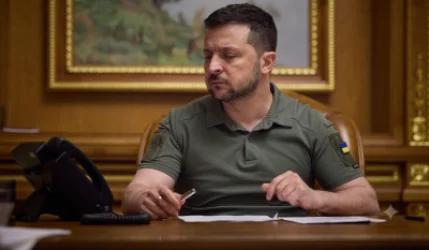
Այսօրվա հարձակումը ամբողջ պատերազմի ընթացքում ամենազանգվածայիններից մեկն էր. Զելենսկի