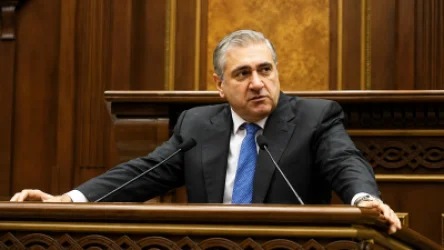
The Volume of Jobs and Investments Fails to Justify Expectations: M. Melkumyan

The economic revolution is a concern for everyone—it is, of course, a matter for the whole nation, with the government playing a decisive role in both the legislative and executive branches. This perspective was shared by Deputy Mikayel Melkumyan, an economist and member of the parliament’s Prosperous Armenia faction, during an interview with Tert.am.
At the same time, he noted that it is still too early to speak of an economic revolution, as time is needed for such changes. "But we have repeatedly stated that the form and style of the economic revolution being pursued by the current authorities differs from our political party’s vision, as we imagine different approaches to attracting investments, creating jobs, ensuring sectoral development, and so on. In any case, we are not yet receiving positive figures regarding investments and job creation," he said.
Melkumyan pointed out that export volumes have decreased, and the data from the first half of the year indicate that the agricultural sector has faced a decline of over 7-8 percent, with minimal growth in construction. According to him, the structure of Armenia’s GDP is based on an unprecedented increase in machinery and gambling, along with continuing remittances.
"Of course, it must be noted that the government today uses the term economic revolution less frequently because we do not yet feel that this revolution is sharp, but time will pass and there will be an opportunity for more concrete dialogue. At mid-year, it is impossible to provide a comprehensive evaluation," said Mikayel Melkumyan.
The economist reminded that their faction voted against the government’s five-year plan because they predicted that the government would not be able to achieve the expected indicators. "Now, half a year has passed, but the volume of jobs and investments does not meet and justify our expectations to be called revolutionary," Melkumyan continued.
In his assessment, the Tax Code also does not contribute to attracting investments. He emphasized that they have introduced a number of projects that have been rejected by the authorities. "The government does not want any organization to be responsible for construction permits, land use changes, expertise, licenses, and so forth, which we had proposed. Unfortunately, they do not want to take this responsibility, instead creating a private company to serve these needs, which cannot bear political responsibility. While they accept some things, there are radical proposals they refuse; however, that is their problem. In any case, the government must be held accountable for what has been done and what has not been done, and our task is to present, point out, and provide suggestions in a timely manner, not just criticize," Melkumyan concluded.
Նմանատիպ հոդվածներ
Ավելին Politics բաժնից
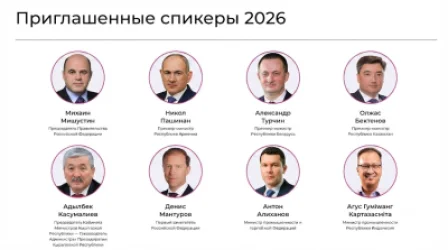
«Իննոպրոմ»-ի ելույթ ունեցողների ցանկից հանվել են բոլոր վարչապետերի անունները, այդ թվում՝ Նիկոլ Փաշինյանի

Թեհրանում մեկնարկել է Ալի Խամենեիի հրաժեշտի արարողությունը
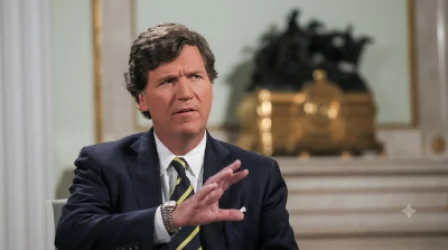
Թաքեր Կարլսոնը հայտարարել է ԱՄՆ-ում երրորդ կուսակցություն ստեղծելու մտադրության մասին