The Issue of Ijevan is More Than Just Forest Conservation: Arman Babajanyan

Arman Babajanyan, a member of the "Enlightened Armenia" faction in the National Assembly, stated on his Facebook page: "The tensions in Ijevan have temporarily calmed down. The issue of Ijevan has not been resolved, and at this moment, there are no visible and effective solutions on the horizon. The parties present contradictory and mutually exclusive demands, which creates a deadlock situation.
The issue in Ijevan is only superficially understood as being related to deforestation or forestry. In reality, Ijevan embodies a clash between the old and new Armenia: on one side, the citizens accustomed to the corrupt old system and illegality; on the other, the state enforcing legality.
The resolution of the Ijevan situation will be symbolic, as it is essentially a litmus test for the state and statehood, where legality and lawfulness stand against criminality. A defeat for the state in Ijevan could have severe consequences, not only for the government but perhaps more so for the state itself.
For over two decades, alongside the state administration system, an alternative system based on illegality and crime has functioned in Armenia. This system has permeated almost all spheres of public life—from state governance to schools and from security agencies to local self-governing bodies.
At the heart of this system lies the principle of granting indulgences in exchange for perpetrating illegal acts, which we witness in Ijevan. Citizens are fighting for their indulgences to commit illegal acts, privileges they received from the previous government. Thus, the challenge for the new government is the dismantling of this widespread, cancer-like alternative system, which is a multi-layered and multifunctional process that cannot be achieved through repressive methods alone.
The government must find ways to communicate and engage in dialogue with these individuals, which does not imply a compromise with illegality. The authority must converse with the citizens, as this illegal system, this criminality, is also, and primarily, ingrained in people's minds and thought processes, having been established over many years.
In Ijevan, the law, the state, and statehood must prevail. However, this should not come at the expense of citizens' defeat. Because, in reality, the victory of law and the state is also the victory of those very citizens. The government needs to find ways to transform the beneficiaries of illegality into beneficiaries of legality. In that sense, the issue of Ijevan is much more than just forest conservation. The Ijevan issue ultimately pertains to the preservation of the state and statehood itself, because the trees being cut down in Ijevan are expressions of the state, statehood, and citizenship."
Նմանատիպ հոդվածներ
Ավելին Politics բաժնից

Եվրամիությունը վերածվում է ռազմաքաղաքական և տնտեսական բլոկի. Պեսկով
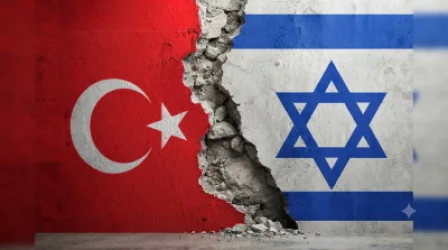
Իսրայելի ԱԳՆ-ն Թուրքիային մեղադրել է ցեղասպանության հրահրման մեջ

Հորմուզի նեղուցով անցնող նավերի թիվը քառապատկվել է