Tigers to Be Bred in Armenia
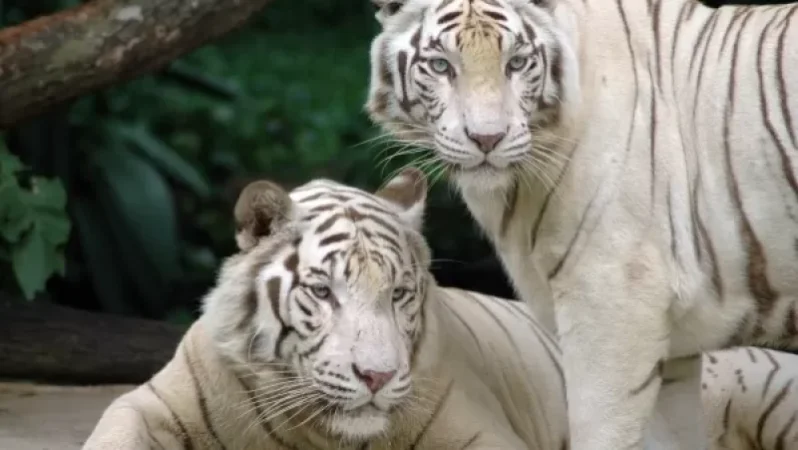
The company "ZOO Fauna Art", engaged in the trade of wild animals, imported four tigers into Armenia in June. This information was obtained by EcoNews.am from the RA State Revenue Committee.
In March, the above-mentioned company received a CITES permit signed by the Minister of Environment Erik Gorgoryan for the import of two Amur tigers (Panthera tigris altaica) and three white tigers (Panthera tigris tigris). The import transaction has recently taken place. A letter signed by the head of the VV and EH Division, Mnatsakan Sharafyan, states: "... according to the data from the RA State Revenue Committee's informational database, on June 5, 2019, three white tigers and one Amur tiger were imported into the RA by 'ZOO Fauna Art' LLC (SIREN 00451056), which are in the declaration phase."
According to the CITES permits provided by the ministry, it turns out that the animals were imported from Ukraine; the exporter/re-exporter is Sergey Kostiiv, the director of the "Limpopo" exotic animal collection. The first permit expected to import three live white tigers – two females and one male – states that the purpose of the transaction is breeding or artificial fertilization in captivity (B/Breeding in captivity or artificial propagation), with the source coming from animals bred in captivity (C/Animals bred in captivity in accordance with Resolution Conf. 10.16 (Rev.), as well as parts and derivatives thereof, exported under the provisions of Article VII, paragraph 5, of the Convention), while the country of origin and other information are not disclosed.
Another permit is for the import of two Amur tigers – one female and one male. The purpose and source of the transaction are the same: animals bred in captivity are imported into the RA for breeding purposes (B/C). The permits are valid until September 18, 2019, but the import of four animals has already occurred.
"Limpopo" private zoo is located near Lviv. Sergey Kostiiv is the director of this private zoo. The zoo is neither a member nor a candidate member of EARAZA or EAZA, and members of these organizations are not allowed to engage in the trade of animals.
It is worth mentioning that the founder and director of "ZOO Fauna Art" LLC is Artur Khachatryan. According to the Datalex judicial information system, in June 2017, "ZOO Fauna Art" LLC was declared bankrupt due to non-fulfillment of obligations by the Erebuni and Nubarashen courts, yet the company continues to conduct transactions and actively trade animals.
The white tiger is a Bengal tiger that has undergone certain genetic mutations. The species is highlighted in the IUCN Red List as "Endangered." The last known wild killing of this species occurred in 1958. Due to the extreme rarity of the species, nearly all white tigers held in captivity today are a result of inbreeding, leading them to often be born with genetic defects. For this reason, in 2011, the Association of Zoos and Aquariums (AZA) Board of Directors prohibited member zoos from breeding white tigers, white lions, and royal cheetahs.
The Amur or Siberian tiger is also highlighted in the IUCN Red List as "Endangered." This species is included in the Species Survival Plan (SSP), and today about 160 Siberian tigers are participants in the program. Thanks to the program, the species has been successfully preserved from extinction; many experts assert that this population is sufficiently large to ensure its stability and genetic health.
In this case, the purpose of breeding such species by a company engaged in animal trade remains unclear. We did not expect a response from the company's director Artur Khachatryan, as he had previously declined to speak to us, stating, "It probably will never be convenient for Econews."
Thus, the breeding of two species of predatory felines is anticipated in Armenia. The Minister of Environment has issued a permit for the import of animals without considering the legislative gaps and shortcomings present in the country, which provide absolutely no means of controlling the sector, a concern we have repeatedly voiced.
It is noteworthy that the existing legislative gaps in the country have also been recorded by the CITES convention. In 2015, the Geneva secretariat classified Armenia among third-tier countries as its legislation does not comply with the requirements of effectively preventing illegal trade in animals as per the international convention. Armenia joined the convention in 2009.
Among neighboring countries, Azerbaijan has been classified as a second-tier country, Turkey as first-tier, Georgia as second-tier, Iran as first-tier, and Russia as first-tier as well. The breeding or reproduction of animals in Armenia is not regulated by legislation; certain provisions of the RA law "On Wildlife" and the RA law "On Veterinary" can only be partially attributed to this type of activity.
In such conditions, the breeding of tigers is expected in Armenia, seemingly without alarming the state authorities. It should be added that the main actors in the animal trade in Armenia remain the same and are well-known to broad circles both within the country and abroad. Several questions arise: for what purpose are the animals being bred, will they be sold, where and to whom, and which body will oversee the process, etc.
Questions that will likely remain unanswered, and in the near future, it is possible that these predatory felines could end up in some restaurant, food outlet, entertainment center, simply someone’s home, or in someone’s stomach, as "everything that is not forbidden is permissible."
It is also noted that legislative changes are planned to regulate this sector in Armenia. Amendments to the Environmental Initiative will be made to the RA law "On Wildlife," which is currently in the revision phase. Additionally, at the initiative of several members of the RA National Assembly and with the support of animal lovers, it is planned to develop and adopt the RA law "On Responsible Treatment of Animals."
Նմանատիպ հոդվածներ

Ավելին Society բաժնից
Նոր մանրամասներ Ջրաշենի նախկին ղեկավարի ու նրա ծնողների դանակահարության դեպքից

Դանակահարել են Ջրաշենի նախկին վարչական ղեկավարին ու ծնողներին. նրանք ծանր վիճակում են

Կիևյան կամրջի շուրջ նոր ապատեղեկատվություն է տարածվում. պարզաբանում քաղաքապետարանից