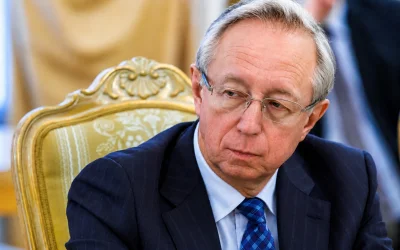
Nikol Pashinyan Meets with Kazakhstan's First President Nursultan Nazarbayev

Prime Minister Nikol Pashinyan, who is on a working visit to Kazakhstan, met today in the capital Nur-Sultan with the first President of Kazakhstan, Nursultan Nazarbayev.
Welcoming the Prime Minister of Armenia, Nursultan Nazarbayev stated:
"Dear Nikol Vovayi, thank you for coming to participate in the anniversary summit of the Eurasian Economic Union. There has never been any problem between Kazakhstan and Armenia, we have had good relations. The Armenian diaspora serves as a bridge, and Armenians living here are our citizens—they are Kazakhstani. They unite us. Recently, trade between our countries has increased, but it suffers from poor logistics. We have things to exchange: what you have, we do not have; what we have, you do not have; therefore, we need to work in that direction."
"You know that I made that decision after deep reflection. When you reach my experience and age, you will understand me better. On June 20, I would have completed thirty years as the leader of Kazakhstan. At that time, the Soviet Union still existed. In 1989, I was elected as the first secretary of the Communist Party of Kazakhstan, and before that, I was a representative of the government. Therefore, I have worked hard, I have seen a lot, all of Kazakhstan knows me, and in the years of independence, we managed to do a lot to raise Kazakhstan's credit, to make the country known worldwide. And I thought the time had come to peacefully transfer the leadership position. At the same time, I continue to work. Kassym-Jomart Tokayev has worked with me for 30 years; I know him, he is a well-prepared and educated person. I am confident that our relations with Armenia will be just as good as they were before."
Expressing gratitude to Nursultan Nazarbayev for the warm welcome, Armenian Prime Minister Nikol Pashinyan noted:
"Thank you, Nursultan Abishuly. Of course, I am happy to see you and visit your country, which you have built the capital of. You are a political leader who symbolizes an entire era. You mentioned that you were the leader of Kazakhstan even during the Soviet years. You were one of the first leaders to sign the Belavezha Accords; afterwards, you participated in the process of establishing the CIS and then actively participated in the formation of the CSTO. Armenia is a member of the CIS and a founding member of the CSTO. It is well known that you proposed the idea of Eurasian integration. This year marks the 25th anniversary of that event and the 5th anniversary of the treaty on the establishment of the EAEU. Of course, we are following the events happening in Kazakhstan with great excitement and the significant political changes you have initiated."
"We are confident that what you have initiated is being done in the interests of Kazakhstan and the Kazakh people. Of course, constitutionally, you continue to remain the leader of the nation and the chairman of the Security Council. You will continue to have an active role in the EAEU, and tomorrow we will adopt the relevant decision regarding this. From the beginning, I supported that idea and am confident that we will have the same warm and constructive relations with Kazakhstan's new president. Yes, there are very good political relations between our countries; unfortunately, we have quite small volumes in the economic sector. I think now there is an opportunity to work in that direction because new opportunities are being created in the 21st century. And it is important that we, our countries, our peoples, and governments have the political will to develop our relations because we were connected as peoples during Soviet times, and after the collapse of the Soviet Union, we participated together in all projects in the post-Soviet region. We have very warm, good relations; your personal contribution to that is significant, and I hope and believe that that spirit will continue from now on."
Nikol Pashinyan and Nursultan Nazarbayev exchanged views on Armenian-Kazakh relations, addressed the settlement process of the Nagorno-Karabakh conflict, and emphasized the importance of regional peace and stability.
Նմանատիպ հոդվածներ
Ավելին Politics բաժնից
Եվրամիությունը պատրաստվում է բացել նոր միլիարդների հոսք դեպի Ուկրաինա
ՏԵՍԱՆՅՈՒԹ.Ջենիֆեր Լոպեսին նայելով ապագա չեն ընտրում. ՍԴ դատավոր
«Թրամփի ճանապարհ» նախագիծը միայն կշահի Ռուսաստանի մասնակցությունից․ Գալուզին