Dushanbe's Famous Elevator May Become a 'Death Elevator' in the Nagorno-Karabakh Issue: Ashotyan
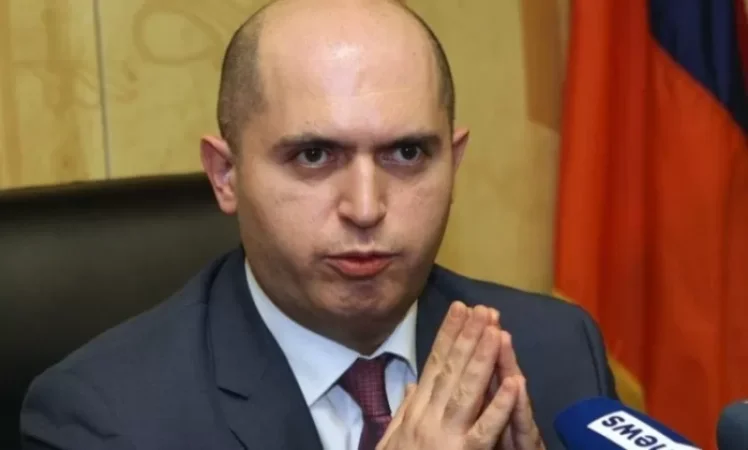
Dushanbe's famous elevator may become a 'death elevator' in the context of the Nagorno-Karabakh issue. This was stated by the Vice President of the Republican Party of Armenia (RPA), Armen Ashotyan, on his Facebook page.
The full post is presented below:
“The issue of resolving the Nagorno-Karabakh conflict has always been crucial in Armenia's relations with Brussels. The foundations are clear:
- a. The EU is one of the most influential political and financial centers in the world,
- b. France, an EU member, is a co-chair of the Minsk Group and is increasingly positioning itself in that role as a representative of the EU,
- c. Out of the 11 member states of the Minsk Group, 5 are EU members—including Germany, Italy, Sweden, and Finland, in addition to France,
- d. With proper positioning vis-à-vis the EU, the chances of spreading that positive signal to the EU member states increase,
- e. Among all global super-centers, the EU remains the most faithful to political strategies based on values, making the just struggle of the people of Nagorno-Karabakh more comprehensible.
This was the reason why, thanks to the persistent and effective efforts of the Armenian side, assessments regarding the resolution format of the Nagorno-Karabakh conflict (OSCE Minsk Group), its fundamental principles (including the right of people to self-determination), and political positions (all joint statements of the co-chairing countries since 2008) have been included in the Armenia-EU agreement.
This circumstance creates serious added value for Armenia in its relations with the EU, and for this value to gain mandatory legal force, full ratification of the agreement by the European Parliament is necessary.
It is no secret that Azerbaijan is also negotiating its new framework agreement with the EU. Those efforts are already in the final stages, and according to my sources, Azerbaijan is making tremendous efforts to ensure that the preliminary signing of the agreement takes place before this year's EU elections. The Azerbaijani side was strongly dissatisfied with the formulations regarding Nagorno-Karabakh in the Armenia agreement and is still working to gain a more favorable position in its own agreement.
The challenge faced by Armenian diplomacy has intensified after the change of power, primarily because Nikol Pashinyan is systematically dismantling all existing positions of the Armenian side from the previous negotiation phase regarding the resolution process of the Nagorno-Karabakh conflict, instead relying on 'elevator diplomacy.' As is known, elevators go up one day, down the next, and one day they break and fall into the pit. I have serious doubts that Dushanbe's famous elevator may become a 'death elevator' regarding the Nagorno-Karabakh issue.
After the change of power, it is also unclear what lobbying mechanisms and structures Nikol Pashinyan's government will be using in Brussels, as the resources that previously existed are either weakening or disappearing due to the criminal shortsightedness of the new administrations. For obvious reasons, I cannot present more on this issue, but I sadly note that this front is also rapidly becoming vulnerable at this moment.”
Նմանատիպ հոդվածներ

I Am Proud of Her: Sanasaryan Denies That His Spokesperson Uses Leverage in the Case of Mher Yenokyan
Second Judge's Recusal Decision in Robert Kocharyan's Case Rejected: Haik Alumyann
If Marukyan "pulls the weight", Tsarukyan will speak openly: "Iravunk"
Heavy Month: The National Assembly's European Integration Committee Will Not Be Given to BHK, Casting Done by Pashinyan
Ավելին Politics բաժնից
ՔՊ-ի պատգամավորների վերջնական ցանկը հայտնի է․ ովքեր կմտնեն 9-րդ գումարման ԱԺ
Զելենսկին պաշտոնանկ արեց Սիրսկուն, Ուկրաինայի ԶՈւ-ն նոր գլխավոր հրամանատար ունի․ ով է նա
Ուկրաինայում կարտադրվեն բրիտանական նոր զինատեսակ` L119 հաուբիցներ