Summer Has Been Extended by One Month: Levon Azizyan
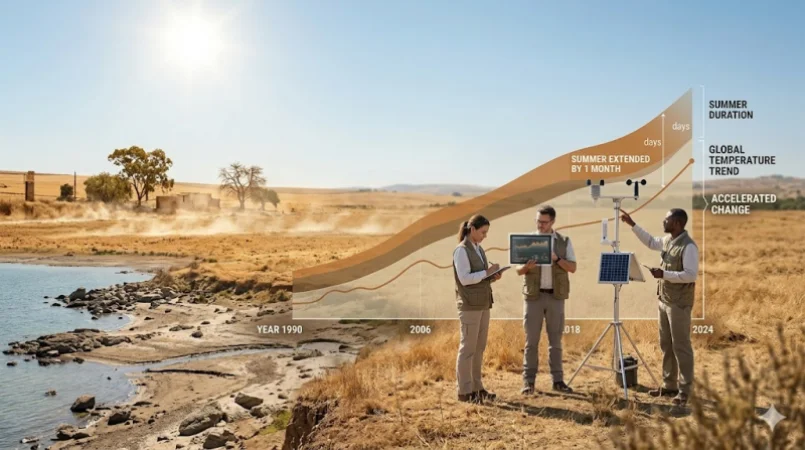
Summer has been extended by one month as scientists have recorded an acceleration of climate change. This was stated by Levon Azizyan, the director of the Hydro-Meteorological and Monitoring Center.
A group of international scientists from the University of British Columbia has found that the summer season in the mid-latitudes of the planet is rapidly lengthening, with seasonal transitions becoming increasingly abrupt. The research was published in the journal Environmental Research Letters and is based on an analysis of data from 1961 to 2024.
Since 1990, summer has increased by an average of 5-7 days per decade, and by the mid-2020s, summer conditions are lasting approximately 30 days longer than in the 1960s. This is nearly twice as fast as the previously recorded increase of 4 days per decade. This trend is spreading not only over land but also in coastal areas and oceans. In some cities, such as Sydney and Minneapolis, summers are extending by more than a day each year.
The researchers also found that temperatures are changing more rapidly at both the beginning and end of summer, with seasonal transitions from spring to summer and from summer to autumn becoming more abrupt. This leaves ecosystems and human activities with less time to adapt.
In the Northern Hemisphere, the accumulated summer heat has been increasing by 44°C days per decade since 1990, which is more than three times faster than the value recorded between 1961 and 1990, when the figure was 14°C days per decade. This increase is non-linear due to the simultaneous rise in summer duration and temperature.
Regional differences are also becoming more significant. In Tokyo, summers are increasing by 2.1 days per decade, in Paris by 7.1 days, in Sydney by 14.8 days, and in Minneapolis by 9.3 days. Oceans are now showing the same rate of summer extension as land.
Scientists warn that the increase in accumulated summer heat may create issues for human physiological adaptability and lead to an increase in energy consumption for cooling purposes during both day and night. More abrupt seasonal transitions could result in early snow melting, floods, and more lethal heatwaves.
Նմանատիպ հոդվածներ




Ավելին Society բաժնից

ՏԵՍԱՆՅՈՒԹ.Վրաստան–Հայաստան սահմանին ծանր իրավիճակ է․ կան ուշաթափված երեխաներ
Իրանում գրանցվել է 2026 թվականի աշխարհի ամենաբարձր ջերմաստիճանը՝ +51.5°C

Հռոմում ջերմաստիճանը կհասնի +38°C-ի. իշխանությունները «կարմիր» նախազգուշացում են հայտարարել