How Can Insurance Be So Expensive?
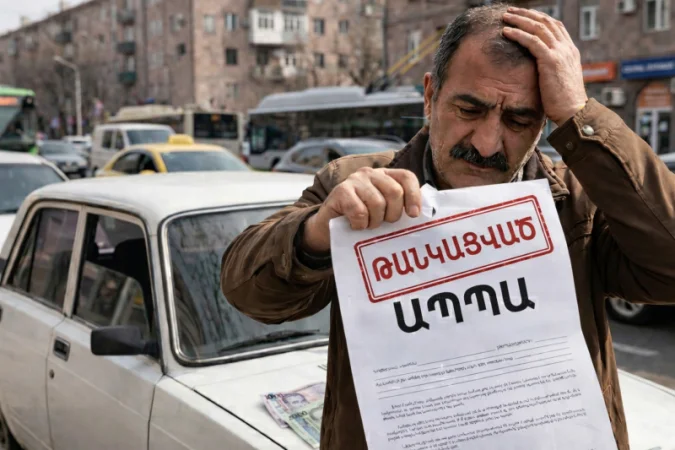
This question has been frequently raised during recent calls received on the hotline of Auroranews: Drivers note that the price hikes are illogical, as they do not have accidents and do not create issues. Those most dissatisfied are drivers who do not have the option to pay for insurance in one lump sum. If they pay in installments, they are even more affected, forced to pay an extra 5 or 10 thousand drams every time they renew their insurance.
Auroranews spoke with Vahekyan Eghiazaryan, the executive director of the Armenian Bureau of Motor Insurers, regarding the complaints of the drivers.
- What is the reason for the increase in insurance prices? They say the market is being liberalized, but this does not serve the best interests of drivers.
- The main reason for the liberalization of the market or price liberalization has been that we are operating in a free market economy, where prices are determined by competition. We believed that by determining prices through competition, efficiency would increase. Specifically, when prices are firmly set and there is pressure on costs—particularly with regards to the rising costs of services and goods or the increase in the volume of damages due to new types of electric vehicles and others—there are often replacements and new spare parts needed. After incidents, the pressure on those compensations gradually increases. Insurance companies, facing price restrictions, naturally were unable to make appropriate compensations, which compelled us to proceed with liberalization, making the field more competitive and market-oriented while also allowing for the adequacy of those compensations to be improved and more proportional to the incurred damages.
Recently, it has been noted that there has been a rise in insurance premiums, which was caused by the same reasons, since the frequency of incidents has not decreased; on the contrary, it is on the rise, considering the increasing number of vehicles and the emergence of new drivers who are not very experienced. As I mentioned, the evolution of compensations and the costs of vehicle restoration continues to pressure rates and they are revised accordingly. Recently, there was also an increase in the upper limits of insurance amounts—property insurance rose from 1.8 million to 2.5 million drams, and personal insurance increased from 3.3 to 3.5 million drams, respectively, for various cars and individuals involved.
- There are drivers who simply cannot afford to pay. What should a driver do? Should they drive their car without insurance?
- Usually, the drivers you mentioned are those who frequently find themselves at fault in accidents. They are assessed as more risky due to historical accident predictions or general risk assessment calculations. Now, those vehicles that fall into a higher risk category have been involved in more damages or are expected to cause more. In other words, they themselves have paid for those compensations, which is why their premiums have increased. Now, without the insurance system for which they struggle to pay, they would be obliged to cover tenfold, perhaps even more, the damages caused to others directly, which would be financially much more burdensome for them.
- I do not have money to buy annual insurance, but I try to pay monthly. Each time my insurance seems to increase by 10,000 or 5,000 drams. What should a driver do in this situation, as it turns out that if they don’t have the money at that moment, but they are a disciplined driver, they end up suffering multiple times?
- The concept of a disciplined driver is usually determined by two factors. When the premium calculations are made based on individual history, which pertains to the bonus-malus principle, and group history. Bonus-malus reflects the risk of the individual who has recently been involved in an accident or in recent years, whilst the other reflects the expected risk, meaning their group risk. For example, if you are driving in Yerevan where traffic is much heavier, naturally, risks are higher, regardless of your discipline than for those driving in Tavush region or in Yeghengadzor, where there is clearly a price difference. In other words, irrespective of an individual driver’s behavior, the environment influences risks. Now, if you do not have money to purchase annually, since the price increases three months later, then two options arise. Either adapt to it by cutting down on other expenses or consider various credit opportunities—there are options available where you could purchase a full year of insurance at once, especially since we are not talking about an exorbitant amount.
- In the near future, will there be a possibility of decreasing or diminishing insurance prices, for instance, around 2027-28?
Response: In the short term, I am a bit skeptical about any possibilities for price reductions. However, I can say under what circumstances a decrease in prices would be possible. For prices to drop, there must be a reduction in accident frequency and, second, a general decrease in prices. The increase in the number of vehicles and emerging new drivers heightens that frequency, but it is possible to achieve a reduction. The three factors influencing this are: the discipline of the drivers, the condition of the vehicles, and improvements in road regulations. These three circumstances can influence the outcome, with the last point being the most significant and the behavior of the drivers. Currently, with the strategy of the insurance system, we have planned certain steps in all three directions, with the aim of somewhat reducing incidents, so that rates do not only not increase but even potentially decrease. However, this is not a problem that can be resolved immediately; you understand well.
Նմանատիպ հոդվածներ


Ավելին Society բաժնից
ՏԵՍԱՆՅՈՒԹ.Վրաստան–Հայաստան սահմանին ծանր իրավիճակ է․ կան ուշաթափված երեխաներ
Իրանում գրանցվել է 2026 թվականի աշխարհի ամենաբարձր ջերմաստիճանը՝ +51.5°C
Հռոմում ջերմաստիճանը կհասնի +38°C-ի. իշխանությունները «կարմիր» նախազգուշացում են հայտարարել