Opposing the State Undermines the Legitimacy of the Church, Says François Devejian
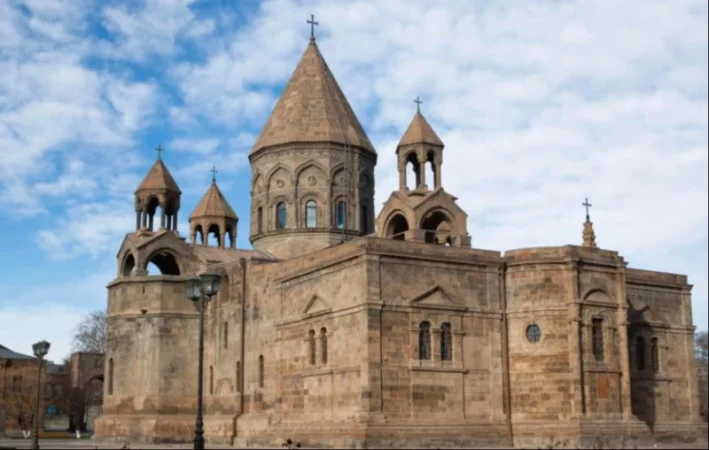
On February 12, 2026, eight prominent representatives of the Armenian diaspora signed an article titled "Statement on the Conflict Between the Government of Armenia and the Armenian Apostolic Church" regarding the disagreements between the Armenian Apostolic Church and the government of the Republic of Armenia. François Devejian, a French-Armenian politician and the son of Patrick Devejian, who was recently elected to the National Council of the Coordinating Council of Armenian Organizations in France (CCAF), remarked:
“This statement raises questions regarding its bias and its objectives. There is no doubt that the current conflict between the Armenian Apostolic Church and the government of Armenia is detrimental to both direct actors and the entire Armenian nation. However, the causes of this conflict cannot be solely attributed to the government of Armenia. Condemning the consequences while ignoring the causes is a common tendency within the diaspora.
The government’s interference in Church governance is also (and especially) a result of the Church’s actions aimed at meddling in politics and even sovereignty. While it is certainly correct to assert that ‘issues of church governance should be resolved by the appropriate Church bodies,’ it is equally necessary for the Church to operate within its own bounds—spiritually and in terms of values. The Church’s involvement in the political sphere detracts from its unifying mission and its status as a suprapartisan pillar of the nation.
When such interference occurs under questionable close relationships with a foreign regime, whose support for Armenian sovereignty can be questioned, it seriously undermines the Church’s legitimacy to the detriment of all. In this context, one can speculate that the ‘well-known Russian-Armenian benefactor and businessman (...), who was imprisoned for publicly defending the Church's position,’ is none other than Samvel Karapetyan, whose ties to Vladimir Putin’s regime have been well-known and established since at least 2018.
In this contrast, diaspora figures would greatly benefit by acting as true mediators, independent and objective. Opposing the state, citing history (which, however strong and legitimate it may be), cannot serve as an absolute argument for future actions; it does not serve the unity of Armenians, the fortification of Armenia’s security, or the legitimacy of the Church. The Republic of Armenia has a democratically elected government and is preparing for new elections so that its citizens can freely choose their future. If the Armenian diaspora wishes to assist Armenia, to strengthen it and contribute to its stability, it must support this emerging democracy, rather than those who are attacking it—directly or indirectly. Regardless of the choices made by the citizens of the Republic of Armenia, the right to determine their future belongs solely to them.
Նմանատիպ հոդվածներ
Ավելին Politics բաժնից
Մեծ Բրիտանիայի վարչապետ Քիր Սթարմերը հրաժարական կտա. Թրամփ
Եթե փակեք Հորմուզի նեղուցը, այլևս երկիր չեք ունենա. Թրամփ
Ընդամենը վերջին մի քանի ժամերի ընթացքում մենք նշանակալի առաջընթաց ենք արձանագրել. Վենս