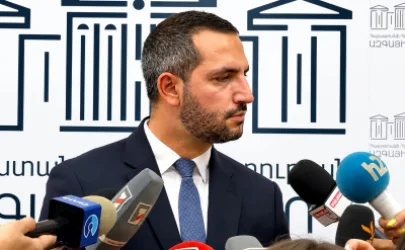
"Turk" Term's Use as an Insult in Political Discourse is Unacceptable, Ombudsman
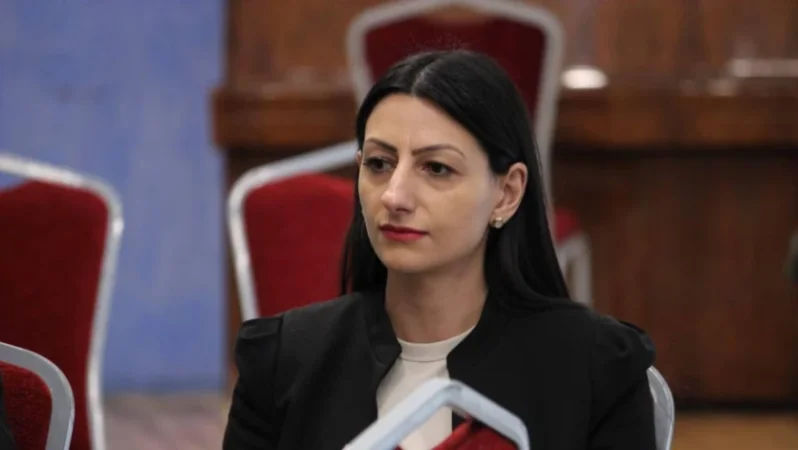
The Human Rights Defender has repeatedly emphasized that public discourse in Armenia is marked by discriminatory, intolerant expressions that target various social groups, label individuals, and sow hatred. Ahead of elections, these types of speech gain wider prevalence and become an integral part of political debate. The Human Rights Defender underscores that this situation is unacceptable and warrants appropriate responses. This is stated in a statement released by the RA Human Rights Defender.
Recently, there has been widespread public discussion about expressions that label women, containing gender-based prejudice and effectively degrading women's dignity. Unfortunately, gender-based stereotypes and misconceptions about the role of women are deeply rooted in society and at all levels of public life, contradicting the principle of equality.
No less unacceptable is the targeting and labeling of persons with disabilities, including those with mental health issues, in the context of political debate, as well as the spread of discriminatory rhetoric against them. The Human Rights Defender also finds it unacceptable that specific political actors and public figures widely disseminate hate speech based on ethnic or national affiliation and use labeling and discriminatory expressions (e.g., using terms like "Turk," "Yezidi," and other similar terms as insults).
There continue to be problematic situations regarding the guarantees of religious freedoms, including cases of targeting representatives of the Armenian Apostolic Holy Church, representatives of other religious organizations, and atheists, as well as manifestations of discriminatory, hate speech against them. The Human Rights Defender believes that such manifestations of public speech are unacceptable and emphasizes that any issue can become a subject of democratic debate, but this cannot be done by violating human rights standards and religious freedoms guarantees.
At this stage, there are several criminal legal processes concerning representatives of the Armenian Apostolic Holy Church. One of the cases has become a subject of public debate regarding whether the issue could be discussed in the context of legal proceedings, considering the church's autonomy. Acknowledging the existence of a judicial act in the case and not intervening in the courts' activities, the Human Rights Defender does not find the public communication conducted by competent authorities on this issue adequate and emphasizes that continuous and comprehensive communication is necessary on matters that involve sensitive and legal debates, presenting the legal bases of the actions of competent authorities in line with international standards. Moreover, the public communication on these matters should be conducted with the necessary sensitivity.
In this regard, the Defender finds it alarming that almost all actors use types of speech that are discriminatory, hateful, labeling, and targeting, and that the response to such speech is often carried out with other labeling and discriminatory expressions, which cannot be justified in any way and should correspondingly be met with opposition.
Considering the above, the Human Rights Defender calls on all actors to exclude any form of discriminatory and hate speech against individuals or groups of individuals while conducting political and any other public discussions, and to carry out public discourse and all legal processes in strict compliance with human rights standards.
Նմանատիպ հոդվածներ
Important Decision Made: Nuclear Power Plant Type Must Be Modular, Says David Khudatyan
State Monitoring Can Be Fully Entrusted to Artificial Intelligence, Says Pashinyan
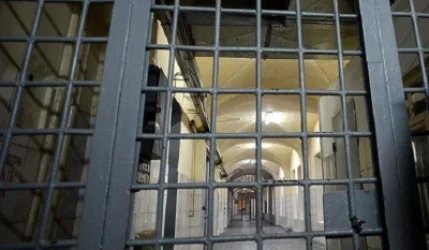
Annual Influx and Outflow of Prisoners Remains Consistent, Says Minister of Justice
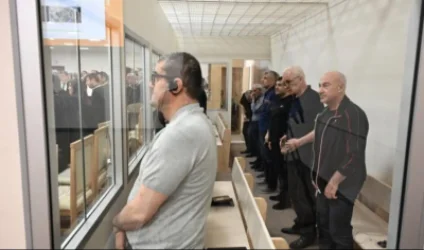
French Parliament's Lower House Demands Immediate Release of Armenian Prisoners
Ավելին Politics բաժնից

Ռուսաստանը Ադրբեջանի տարածքով Հայաստան է ուղարկել ցորենի նոր խմբաքանակ՝ 976 տոննա
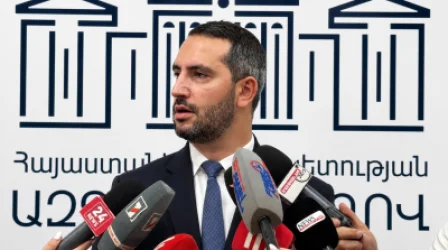
ԱԺ նախագահ ընտրվելու դեպքում չեմ լինի Հայաստան-Թուրքիա կարգավորման գործընթացում ՀՀ ներկայացուցիչ․ Ռուբինյան
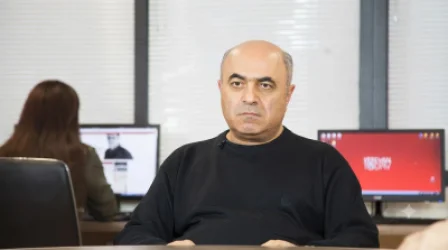
Քաղաքագետ Երվանդ Բոզոյանի բնակարանում խուզարկություն է կատարվել․ առգրավվել է հեռախոսը,