Earth-like planet discovered
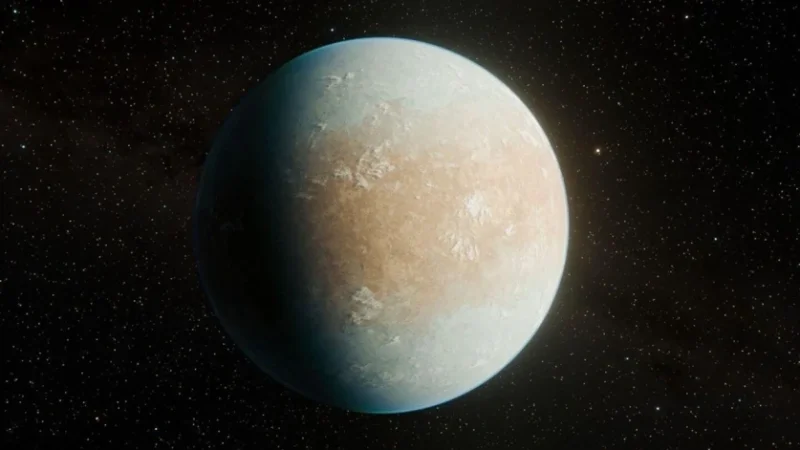
A team of astronomers from Australia, the USA, the UK, and Denmark has announced the discovery of the exoplanet HD 137010 b, located 146 light-years away from Earth. This was reported in a study published in the Astrophysical Journal.
Initial analysis shows significant similarities between the object and Earth, as well as Mars, based on key parameters. This is the first candidate whose radius and orbital characteristics resemble those of Earth, passing through the disc of a Sun-like star. The brightness of the star allows for detailed further observations, making this a unique discovery.
The planet was identified using archival data from 2017, collected during NASA's Kepler Space Telescope's extended K2 mission. According to calculations, the radius of HD 137010 b is only 6% larger than that of Earth, and its orbital period is 355 Earth days. Scientists estimate that the probability of the planet being situated in its star's habitable zone is 50%.
Researchers also emphasized that the surface temperature of the planet is likely similar to that of Mars and could drop below -70°C, as its star is cooler and dimmer than the Sun. If its exoplanetary status is confirmed, HD 137010 b could prove to be one of the closest known planets to Earth, both in terms of distance and physical characteristics, opening up new possibilities for the search for extraterrestrial life.
Previously, astronomers discovered a cloud of gas and dust around the star J0705+0612, which contributed to its dimness.
Նմանատիպ հոդվածներ

Errors Found in English Exam Tests: Candidates Demand a New Examination

10 Citizens Hospitalized, Serious Cases Reported: Details on Chain Accident in Aragatsotn
Chernobyl Nuclear Power Plant Fully Disconnected from External Power Supply

Central Bank to Withdraw Second Generation Banknotes from Circulation
Ավելին Society բաժնից

Ստացել եմ ծանուցում, որ սեպտեմբերի 1-ից այլևս դադարելու եմ դասավանդել ԵՊՀ-ում. Ռուբեն Մելիքյան

ՖԻՖԱ-ն կքննարկի Ռուսաստանի վերադարձը միջազգային ֆուտբոլ
Կասեցվել է լցակայանի բենզինի և հեղուկ գազի վաճառքը