Minister of Education Responds to Students Admitted to School Late
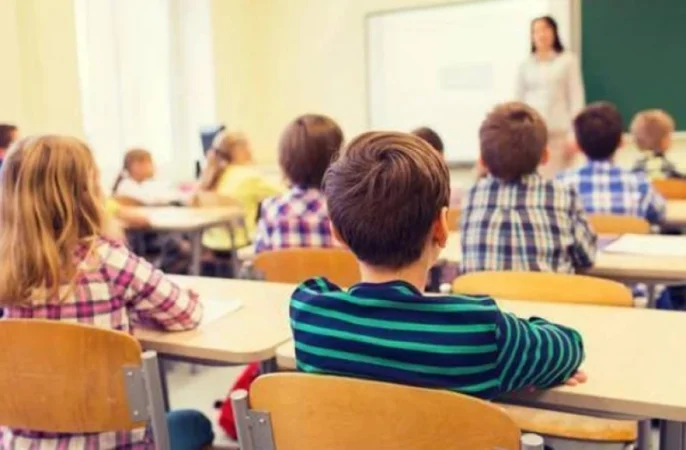
The identification and guidance of children who have missed compulsory education is one of the key priorities of the Ministry of Education and Science as part of the national development programs leading up to 2030.
According to the ministry, studies indicate that there are two main groups at risk among children who have missed compulsory education:
- Children who do not continue their education after the 9th grade.
- Children who start school at least one year late, despite the requirement in the Law on General Education that a child must attend school from September of the calendar year in which they turn six.
Studies also show that there is a higher number of boys among late school attendees, which suggests that some parents consider delaying school attendance in the context of managing future military service.
A number of measures have been implemented to ensure continuity of education for children after the 9th grade, which have significantly improved the situation. In 2021, around 9% of children in this age group did not continue their education, while currently, that figure has dropped to 6%.
The introduction of general education standards has created personalized education opportunities in high school, aiding further vocational education. Significant changes have also been made in the system of secondary vocational education, which has allowed over 16,000 students to be admitted to vocational educational institutions in the 2025-2026 academic year.
Regarding children who start school late, a relevant legal amendment was made in spring 2024, stipulating that from the 2025-2026 academic year onwards, latecomers without serious intellectual development issues must be included in classes corresponding to their age group. The more than one-year period leading up to the implementation of this regulation has contributed to a noticeable reduction in the number of children attending school late. Previously, about 3,000 children per year started school late; in the 2025-2026 academic year, this figure was reduced to 777. These children are currently studying in 382 general education schools.
Targeted and personalized activities have been implemented since September for students in this group, aimed not only at filling educational gaps but also at social-psychological adaptation, forming effective relationships with peers, and integrating into the normal rhythm of school life.
Particular attention has been paid to organizing education for children with special educational needs who were admitted late to school, with provisions made according to each child's specific educational requirements, based on the individual learning plans developed for them.
Throughout the first semester of the academic year, various activities have been carried out in the aforementioned schools, predominantly positively impacting students' progress.
These activities have been organized in the following areas:
- Development of the capabilities of teaching staff, especially class teachers. From the end of September, weekly training and mentoring consultations were conducted with participation from around 540 teachers, organized in sub-groups over three phases, lasting a total of approximately 5 hours. Methodological guidelines were also developed for teachers.
- Support directed towards students' learning. This included the organization of long-day services for late school attendees, giving teachers and children extra opportunities to catch up on missed knowledge. Long-day services also operated during autumn holidays, helping children connect with their peers. Personalized teaching was organized for each child, where alongside content being taught in class, work was done on mastering first-grade materials. This was implemented using the pedagogically established method of 'scaffolded instruction', avoiding creating additional problems for these children and their classmates.
- Support for students’ social-psychological development and adaptation. All children admitted late to school have been assessed by educational-psychological teams from Regional Psychological-Pedagogical Support Centers and school psychologists, with psychological support provided as necessary. Children with developmental characteristics underwent assessments for special educational needs, with those requiring level 3 support for intellectual issues being placed in the first grade. Individual learning plans were developed for all assessed students, which included actions aimed at both instruction and social-psychological adaptation, along with designated responsibilities.
Individual work has also been carried out with the parents of each child in the described group, focusing on both recording the child's educational progress and addressing issues related to their adaptation and integration into the school environment.
The Ministry of Education and Science, the National Center for Educational Development and Innovations, and the Republican Psychological-Pedagogical Center have conducted monthly monitoring to ensure the proper organization of the education of this group of students and to timely address any emerging issues.
By the end of the first semester, the conducted analysis yielded the following data and indicators:
- Of the 777 children admitted late to school, 95 require special educational conditions, and among them, 19 have been assessed as needing level 3 support due to intellectual issues, thus being moved to the first grade.
- 626 children are studying in the second grade, 131 children in the third grade, and 1 child in the fourth grade.
- By the end of the first semester, around 400 children are fully literate and are studying alongside their peers. 174 children recognize around 20 letters, and 86 children recognize up to 5 letters, primarily children needing special educational conditions; their learning must proceed at a different pace than others.
- The majority of children have developed reading abilities, with some reading at the same level as their classmates, while others are still mastering reading techniques.
- The majority have also developed mathematical knowledge and abilities; 517 children recognize numbers, of which 495 can perform arithmetic operations.
The results indicate that approximately 80% of children have successfully overcome the initial phase of difficulty and are learning alongside their peers. In the next semester, the aforementioned activities will continue with children who still require additional support. Each child needing extra support will receive comprehensive services.
The Ministry of Education, Science, Culture and Sport of Armenia will continue to take consistent steps towards the complete and effective implementation of educational programs for students admitted late to school. At the same time, the ministry will deploy additional measures to inform all parents, ensuring that children attend school on time and avoiding creating additional problems for them.
Նմանատիպ հոդվածներ
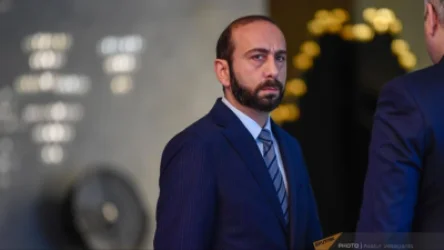
Without Armenia's Consent, Nothing Can Happen: Mirzoyan

This was organized crime: Mossad agents are on the streets of Iran, says ambassador
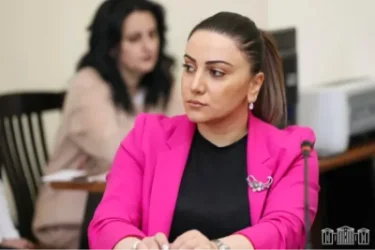
I Will Address Issues Step by Step: You Have Only Scratched the Surface, That's Why HETC Is in This Condition - Manavazyan

Iran Warns US and Israel of Possible Strikes
Ավելին Politics բաժնից
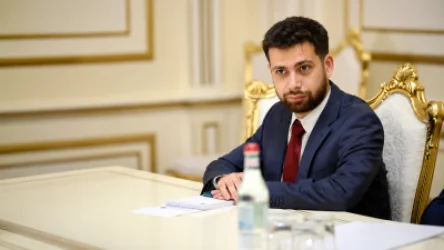
Հայաստանից ԵՄ երկրներ անմաքս արտահանումը չի հակասում ԵԱՏՄ անդամակցությանը․ Վահան Կոստանյան
Ռուսաստանը բողոքի նոտա է հղել Շվեդիային
Մենք չենք վախենում Իսրայելի հետ բախnւմից․ Ֆիդան