Why Disillusioned Iranians are Chanting Reza Pahlavi's Name: BBC
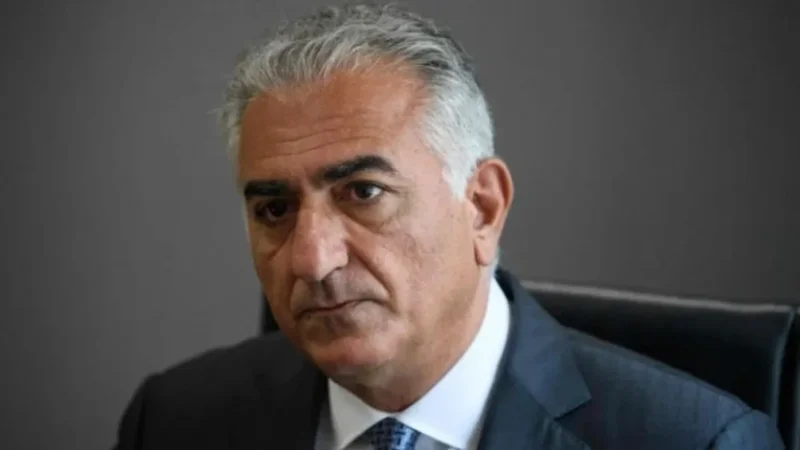
Protesters across Iran are calling for the return of Reza Pahlavi, the exiled son of the last Shah of Iran, as they take part in widespread demonstrations. Pahlavi himself has urged Iranians to take to the streets and oppose the rule of the Ayatollahs. What does the former crown prince represent, and how well-known is he in Iran? This was reported by BBC News.
It is noted that Shazadeh (the 'son of the Shah', heir apparent) Reza Pahlavi was preparing from a young age to assume the throne when the time came. However, the Islamic Revolution occurred in 1979. At that time, Pahlavi was just 19 years old and studying in the United States as a military pilot. From there, the heir observed his deposed father, Mohammad Reza Shah Pahlavi, flee the country, seek asylum abroad, and soon die of cancer in Egypt in 1980.
The heir and his relatives were left stateless overnight, in exile with no hope for help. They were surrounded only by compatriots—monarchists and supporters—whose numbers dwindled over time. Over the following decades, the Shah's family faced two tragedies: Reza's younger sister and brother committed suicide, leaving him as the sole symbolic leader of the dynasty.
Now 65 years old, Reza Pahlavi hopes to play some role in shaping his country's future. He resides in the quiet suburbs of Washington, D.C., where supporters say he lives peacefully, often visiting local cafés with his wife, Yasmin, notably without visible bodyguards.
When asked during a previous wave of protests in Iran in 2022 whether he considers himself a leader of the protest movement in his homeland, he and Yasmin replied in unison: 'Change must start from within.' However, recently his tone has become more decisive. After Israel's strikes on Iran last year, Pahlavi announced at a press conference in Paris that he is ready to lead a transitional government if the Islamic Republic collapses. He then presented an action plan for the first 100 days of the transitional government.
'This is not about going back to the past,' he told reporters in Paris. He expresses a desire to help guide Iran toward free elections, the supremacy of law, and equal rights for women, while the decision to restore the monarchy or establish a republic should, in his view, be made by a referendum.
Supporters see him as the sole recognizable face of the Iranian opposition promoting peaceful reforms. Critics counter that he is overly dependent on external influences and doubt whether the Iranian populace would trust a leader who has emerged from exile. It is currently unclear how well-known Pahlavi really is in the country, as independent polling does not exist in Iran. Some still remember the Pahlavi dynasty with respect, while others oppose the idea of replacing a non-elected leader with another, even under democratic slogans. His opponents argue that during his four decades in exile, he has failed to build any viable organization or independent Iranian media.
In 2023, he visited Israel, where he participated in Holocaust remembrance events and met with Prime Minister Benjamin Netanyahu. This visit sparked renewed controversy, with some Iranians viewing it as a pragmatic attempt to improve relations with Israelis, while others felt it would alienate their Arab and Muslim allies.
Following Israel's recent strikes against Iran, Pahlavi has faced tough questions. When asked by the BBC whether he supports Israeli attacks on Iran, given that civilians may also be affected, he stated that civilians were not targeted, and that anything weakening the Iranian regime is welcomed by many, including within Iran itself. His comments ignited heated debates once again.
It is worth mentioning that yesterday Pahlavi appealed to Trump, stating, 'In one hour, people will be back on the streets. Please be prepared to intervene and assist the people of Iran.'
Նմանատիպ հոդվածներ
Ավելին Politics բաժնից

ԱՄՆ-ն ամբողջությամբ վերացրել Է Իրանի ծովային շրջափակումը
Մոսկվայի համբերությունն անսահման չէ․ ինչ կինի, եթե «կարմիր գծերը» հատվեն․ ՊՆ նախկին փոխնախարար
Իրանը պատրաստ է ռազմական գործողությունների. Ղալիբաֆ