New Dietary Guidelines Implemented in the U.S.
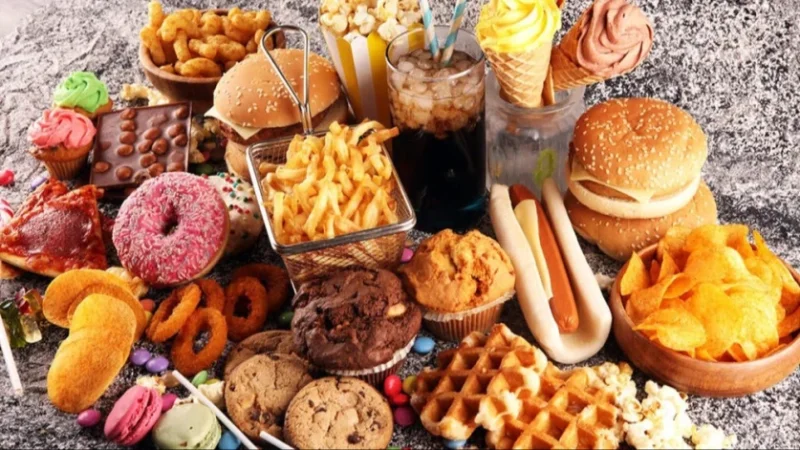
The United States has adopted new dietary guidelines that urge individuals to limit the consumption of highly processed foods and reconsider their diets, which include dairy, butter, and red meat. The announcement was made by President Donald Trump's administration.
The updated dietary guidelines for Americans recommend focusing on whole foods such as unprocessed fruits and vegetables, whole grains, and protein-rich foods, while reducing the intake of packaged foods high in salt and sugar, including snacks, desserts, and sweetened beverages like sodas and energy drinks. The guidelines also advise limiting the use of certain artificial sweeteners.
According to the guidelines, Americans should consume three servings of dairy products daily, including high-fat dairy without added sugar, marking a significant change. The guidelines also call for an increase in protein intake from both animal and plant sources, including red meat. A maximum limit of 10 grams of added sugar per serving has been established. No more than 10 percent of daily caloric intake should come from added sugars. The content of saturated fats should not exceed 10 percent of daily calories, which remains unchanged, while further research is needed to differentiate between types of fats.
The new guidelines were developed by the U.S. Department of Health and Human Services and the U.S. Department of Agriculture and are updated every five years. Federal data indicates that more than half of the calories consumed in the United States come from ultra-processed foods, which several studies have linked to obesity, cardiovascular diseases, cancer, and diabetes. This update is part of the "Make America Healthy Again" initiative.
The document recommends prioritizing oils rich in essential fatty acids, such as olive oil, while allowing the use of butter and animal fats, reducing refined carbohydrates, and increasing whole grain consumption. For the first time, the guidelines also explicitly mention fermented foods, such as sauerkraut, kefir, and miso, as a means to maintain a healthy gut microbiome.
Նմանատիպ հոդվածներ




Ավելին Society բաժնից

ՏԵՍԱՆՅՈՒԹ. Բենզալցակայանը շուրջ 1,6 մլրդ դրամի չփաստաթղթավորված վառելիք է իրացրել․ ՊԵԿ-ի նոր բացահայտումը

Հրդեհ ռեստորանային համալիրում. ՆԳՆ ՓԾ

ՏԵՍԱՆՅՈՒԹ. Ինչպես կարող են վարելու իրավունքից զրկված քաղաքացիները վերականգնել վարորդական վկայականը