Marathon Organizers Arrested in Iran for Participants Not Wearing Hijabs
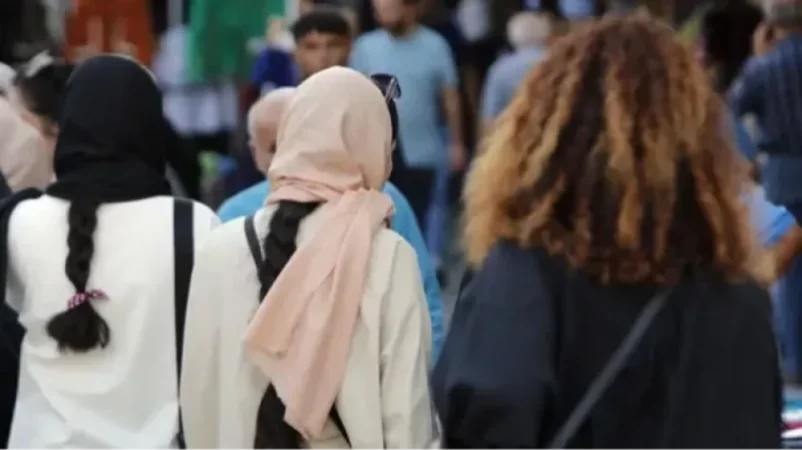
Marathon organizers in Iran have been arrested because participants did not wear hijabs, according to a report by the BBC.
The decision was made after photos and videos from the race held on Kish Island, located off the southern coast of Iran, were shared online.
The marathon had already been condemned by Iran's religious leadership, which had previously warned of a new campaign against women appearing in public without hijabs.
It is worth mentioning that since October 8, Armenian media has circulated information, referencing Khabar Online, claiming that the mandatory hijab requirement in Iran has been abolished. They also noted that Iran's President Masoud Pezeshkian had previously opposed compulsory hijab wearing.
However, “Checked” has clarified that this information is presented out of context. In reality, the compulsory hijab mandate remains in effect in Iran.
Khabar Online quoted Mohammadreza Bahonar, the secretary-general of the Alliance of Islamic and Leadership Paths and a member of Iran's State Interests Decision Council, stating, “Currently, there is no law on mandatory hijab. The general systemic decision at this time is that there is no law on mandatory hijab.”
Analyzing his words, we understand that this statement is taken out of context. Mohammadreza Bahonar meant that the law is not practically enforced, stating that “the law on mandatory hijab is not compulsory.” He also noted that after consultations with the National Security Council, the so-called “Promotion of Virtue and Hijab” law has been suspended.
This concerns not the imposition of wearing a hijab, but rather the law aimed at “supporting families through the promotion of hijab and virtue,” better known as the “Virtue and Hijab” law. It was approved by Parliament in September 2023 and proposed the tightening of punishments for not wearing headscarves in public places, as well as increased oversight. The law was to have a three-year trial period.
In December 2024, Iran's Supreme National Security Council decided to suspend the implementation of the law until a revised version is presented. Parliament Speaker Mohammad Bagher Qalibaf also confirmed that the Parliament had been warned to refrain from applying the law for now. Thus, this is a decision that lasts nearly a year.
Article 638 of Iran's Criminal Code (archive) continues to maintain the demand for mandatory hijab. This means that previous legal foundations and sanctions continue to be in effect.
Iranian President Masoud Pezeshkian indeed expressed doubts regarding the bill in 2024, saying, “As the responsible person for the adoption of this law, I have doubts on this matter,” during a broadcast on state television.
However, even if the president did not sign the law, it could still come into effect. Since the 1979 Islamic Revolution, women in Iran have been obligated to cover their hair in public spaces. The question of tightening hijab regulations became more urgent following the mass protests that occurred in the fall of 2022.
The cause was the death of 22-year-old Kurdish woman Mahsa Amini in September 2022, following her detainment by one of Tehran's police departments for allegedly wearing her hijab improperly in public. Amini's family asserted that law enforcement had beaten her to death.
Նմանատիպ հոդվածներ



Ավելին Society բաժնից
Վրաստանում օտարերկրացիների համար նոր կանոններ են ուժի մեջ մտնում

Աննախադեպ դեպք․ Արհեստական բանականությունը դուրս է եկել վերահսկողությունից

Մելոնին դատապարտել է իր մասնակցությամբ ԱԲ-ով ստեղծված սկանդալային տեսանյութը .RaiNews