Iran's Missile Strikes During the 12-Day War

During the 12-day war, Iran utilized its most powerful missile systems to strike Israeli military and strategic targets. Scientific analysis reveals the types of missiles employed and how the United States and Israel attempted to mitigate their devastating impact.
The Iranian attacks were based on several different classes of missiles: Kheibar Shekan, Emad, Ghadr, Fattah-1, and Sejjil. These missiles differ in their range, striking power, and operational strategy.
Kheibar Shekan is a new generation ballistic missile capable of hitting targets up to 1450 km away. It stands out for its high accuracy and mobility.
Emad and Ghadr are medium-range ballistic missiles primarily used against Israeli air bases and radar centers.
Fattah-1 is a hypersonic missile that is difficult to intercept even with modern missile defense systems. It has been used against highly fortified and critical targets.
Sejjil is a two-stage solid-fuel missile designed for long-range strikes, covering even the eastern parts of the Mediterranean.
Israel and the U.S. had activated the Iron Dome, David’s Sling, and Arrow-3 missile defense systems in an attempt to thwart most of the strikes. However, military analysts estimate that operating these defense systems was excessively expensive; each intercepted missile cost hundreds of thousands of dollars.
Նմանատիպ հոդվածներ


Ավելին Military բաժնից

ՏԵՍԱՆՅՈՒԹ. Պետերբուրգը թիրախի տակ. ուժգին հարվածներ ենթակառուցվածքներին
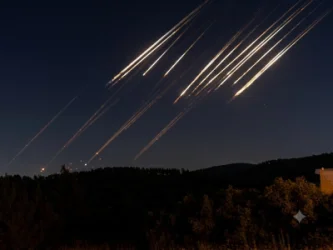
ՏԵՍԱՆՅՈՒԹ. Ուժգին հարվածներ ԱՄՆ-ի օբեկտներին. ԻՀՊԿ-ի սպառնացող հայտարարությունը

Քոչարյանը նշել է` որ արտահայտությունից հետո է սկսվել պատերազմը