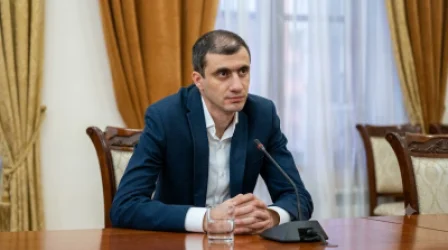
Five Years Ago on This Cursed Day: Nikol Rejected the Ceasefire Proposal and the End of the War, Khachatryan Says

National Assembly member from the "Armenia" faction, Artur Khachatryan, writes: "Five years ago on this cursed day... I stepped out of the office around 2 PM. I returned around 4-5 PM. It was already apparent that bad news had come from the war. We had more casualties. Who they were and how many, it was unclear. Three days earlier, we had buried Gegham, and we had already received news of Mhers death.
Around 6 PM, I went to the French university for a class. I don’t remember how I conducted the lesson, but I came back down to the office. There was a deadly silence in the GM room. I approached Spartak. I asked him, how many? He wrote 23 on a piece of paper, then quickly erased it. The sky fell on me. It was still unclear who they were. My friend, Hrant, came. I said that he should let me go now. He sent me to organize the return of the boys. They had remained in the buffer zone. They were waiting for the ceasefire to be declared so they could be retrieved. The ceasefire was not declared.
Later on, much later, news spread that Nikol had rejected the proposal to cease fire and end the war. I don’t know… Time will come, and it will become clear. After waiting a few days, the boys went out from their positions at night and retrieved their friends' bodies. They also brought back a medic's body; he had a medical backpack on his shoulder. Who he was, no one knew. He was an Armenian soldier. He was wearing a red and mauve sweater under his camouflage. That’s what I remember.
The morgue in Stepanakert is still vivid in my mind. I went there with Davit Ishkhanyan. The boys had already been brought in. I won’t describe it… Another air raid alarm was declared. No one went anywhere. The morgue had no bomb shelter. We were standing outside, smoking. Edon and Simon had gone inside. Lernik came. They brought in a relative of his. Then I saw another familiar person from Karabakh. They were going in to identify the bodies. It was horrifying. Bzhik approached. He had aged prematurely. I remember his glasses. Looking away, he said, "We don’t have a car; would you agree to transport them to Goris in one vehicle? They came together, and they will return together..." It was just a UAZ. We sent off the first group. The boys from Goris welcomed them. The next morning, we set off home with the second group.
The morgue in Goris… According to the distribution of the regional morgues. Most were from Proshyan. 17 people. White bags with ‘dashnak’ written in black markers on them. Also the unidentified medic, whom we took to the Martuni morgue…"
Նմանատիպ հոդվածներ
Ավելին Politics բաժնից
Պուտինը բացահայտել է՝ ինչ է քննարկվել Թրամփի հետ Ալյասկայում
Գերմանիայի ԱԳ նախարաը Հայաստանին օրինակ է բերել ռուսական ազդեցությանը դիմակայելու հարցում

Իրանը վերադարձնում է միլիարդները․ Կատարը համաձայնել է ապասառեցնել 6 միլիարդ դոլար