The Ministry of Foreign Affairs Publishes the Text of the Initialed Peace Agreement
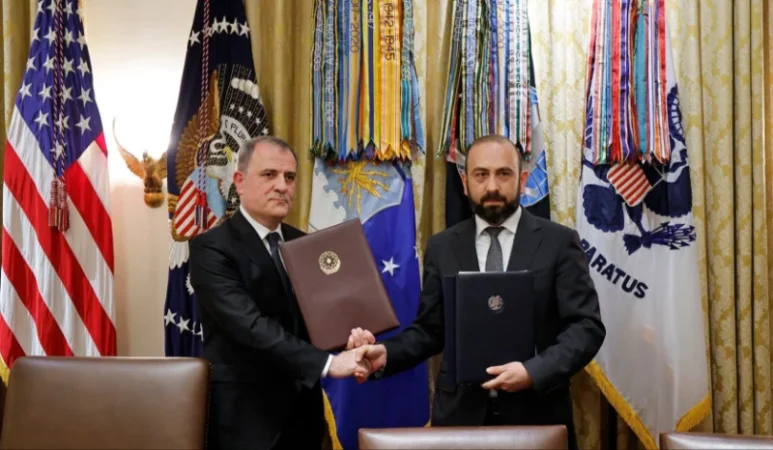
The Ministry of Foreign Affairs has published the text of the agreement on peace and the establishment of interstate relations between the Republic of Armenia and the Republic of Azerbaijan.
The Republic of Armenia and the Republic of Azerbaijan (hereinafter referred to as the Parties), recognizing the urgent need to establish just, comprehensive, and lasting peace in the region, and striving to contribute to the realization of this goal through the establishment of interstate relations, guided by the United Nations Charter, the Declaration of Principles of International Law Concerning Friendly Relations and Cooperation among States in Accordance with the Charter of the United Nations (1970), the Final Act of the Helsinki Conference on Security and Cooperation in Europe (1975), and the Almaty Declaration of December 21, 1991, and aiming to develop relations based on the norms and principles enshrined in the aforementioned documents, express their mutual will to establish friendly relations, and agree to establish peace and interstate relations based on the following:
ARTICLE I
Establishing that the borders between the former USSR Soviet Socialist Republics have become the international borders of relevant independent states and are recognized as such by the international community, the Parties recognize and will respect each other's sovereignty, territorial integrity, inviolability of international borders, and political independence.
ARTICLE II
In full accordance with Article I, the Parties confirm that they have no territorial claims against one another and will not raise such claims in the future. The Parties will not undertake any actions, including the planning, preparation, encouragement, and support of such actions, aimed at fully or partially violating or undermining the territorial integrity or political unity of the other Party.
ARTICLE III
The Parties will refrain from using force or the threat of force against each other's territorial integrity or political independence or any other act incompatible with the Charter of the United Nations in their mutual relations. They will not allow any third party to use their respective territories for the application of force against the other Party in a manner not compliant with the UN Charter.
ARTICLE IV
The Parties will refrain from interfering in each other's internal affairs.
ARTICLE V
Following the exchange of notifications that the internal procedures for ratifying this Agreement have been completed by both Parties, the Parties shall establish diplomatic relations with each other within _____ days in accordance with the provisions of the Vienna Conventions on Diplomatic and Consular Relations (1961 and 1963, respectively).
ARTICLE VI
In full compliance with their obligations under Article I of this Agreement, the Parties will conduct good-faith negotiations between relevant border commissions in accordance with the regulations agreed upon by the Commissions for the purpose of concluding an agreement on the delimitation and demarcation of the state border between the Parties.
ARTICLE VII
The Parties will not station the forces of any third party along their common border. Until the delimitation and subsequent demarcation of their mutual border, the Parties will implement mutually agreed measures to enhance security and confidence, including in the military sphere, in order to ensure security and stability in border regions.
ARTICLE VIII
The Parties condemn and will fight against intolerance, racial hatred and discrimination, separatism, violent extremism, and terrorism in all its forms, each within its jurisdiction, and will ensure compliance with their applicable international obligations.
ARTICLE IX
The Parties commit to addressing cases of missing persons and enforced disappearances in the armed conflict involving both Parties, including through the exchange of all information available regarding those persons directly or, if necessary, in cooperation with relevant international organizations. The Parties recognize the importance of realizing justice regarding these individuals through the clarification of their fates, including the search for remains and their proper return, as a means of reconciliation and trust-building. Relevant arrangements will be negotiated and detailed in a separate agreement.
ARTICLE X
The Parties may conclude agreements in various directions, including economic, transit transportation, environmental, humanitarian, and cultural cooperation in areas of mutual interest.
ARTICLE XI
This Agreement does not limit the rights and obligations undertaken by each of the Parties under international law and treaties concluded with other member states of the UN. Each Party will ensure that no international agreements currently in force between it and any third party will violate the fulfillment of its obligations under this Agreement.
ARTICLE XII
The Parties will be guided by international law and this Agreement in their bilateral relations. Neither Party may invoke the provisions of its domestic legislation as a justification for non-fulfillment of this Agreement.
The Parties, in accordance with the Vienna Convention on the Law of Treaties (1969), will refrain from taking actions that would violate the subject and purpose of this Agreement prior to its entry into force.
ARTICLE XIII
The Parties guarantee the full implementation of this Agreement and will create a bilateral Commission to monitor the implementation of this Agreement. The Commission will operate on the basis of arrangements agreed upon by the Parties.
ARTICLE XIV
In contradiction to international law and the other obligations undertaken by the Parties in their bilateral relations under other binding treaties, the Parties will seek to resolve any disputes regarding the interpretation or application of this Agreement through direct consultations, including within the framework of the Commission mentioned in Article XIII. If such consultations do not yield a satisfactory result for both Parties within six months, the Parties will seek other means of peaceful dispute resolution.
ARTICLE XV
In contradiction to Article XIV, within one month after the entry into force of this Agreement, the Parties will withdraw, cancel, or otherwise resolve any and all interstate claims, complaints, grievances, objections, processes, and disputes presented before any legal platform concerning issues existing between the Parties prior to the signing of this Agreement, and will not initiate such claims, complaints, grievances, objections, processes, and will not engage in any way in complaints presented by any third party against the other Party.
The Parties will not carry out, encourage, or engage in any hostile acts against each other contrary to this Agreement in diplomatic, informational, and any other fields and will hold regular consultations for this purpose.
ARTICLE XVI
This Agreement enters into force following the exchange of documents notifying the completion of the internal procedures in accordance with the national legislation of the Parties. This Agreement will be registered in accordance with Article 102 of the UN Charter.
ARTICLE XVII
This Agreement is concluded in Armenian, Azerbaijani, and English, and all three texts are equally authoritative. In case of discrepancies regarding the meaning of any provision of the equally authoritative texts, the English text will prevail.
Date and Place
Earlier, it was reported that in Washington, Armenia’s Foreign Minister Ararat Mirzoyan and Azerbaijan’s Foreign Minister Jeyhun Bayramov initialed the Agreement on Peace and the Establishment of Interstate Relations between the Republic of Armenia and the Republic of Azerbaijan in the presence of the leaders of Armenia, Azerbaijan, and the United States.
Նմանատիպ հոդվածներ

Ավելին Politics բաժնից

ԿԸՀ-ի նպատակն է՝ անել ամեն ինչ՝ Նարեկ Կարապետյանը ԱԺ-ում չլինի. Վարդևանյան

Ծառուկյանին ձեռնաշղթաներով բերեցին քննչական մարմին. ինչ է սպասվում
Նոր միջուկային գործարք ԱՄՆ-ի և Սաուդյան Արաբյայի միջև. WSJ