Azerbaijan Accuses Iran of Concealing True Intentions Regarding the 'Zangezur Corridor'
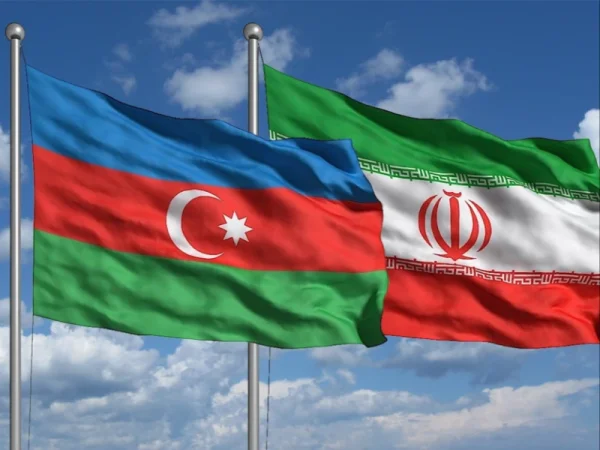
The information space of the region has been stirred by the news of an important meeting between Azerbaijani President Ilham Aliyev and Armenian Prime Minister Nikol Pashinyan in Washington. The events indicate that Washington is not only interested in providing a platform for signing a peace agreement but is also determined to become a key participant in a new security system in the South Caucasus. This analysis has been published by Minval.az.
These assumptions are particularly relevant given the current U.S. administration's proposals concerning potential American involvement in ensuring the security of the Armenian section of the Zangezur corridor.
The article mentions that this situation could not leave Iran indifferent, especially among those political circles that traditionally, for unknown reasons, view Azerbaijan as an “agent of foreign powers’ policy.” In any case, this inevitably serves as an excuse for Tehran to exert pressure on Baku, which pursues an independent line that does not always align with the interests of Iran's conservative political circles that have long sought complete loyalty from Azerbaijan.
In this regard, it is no coincidence that the Iranian Ministry of Foreign Affairs suddenly expressed concern about the fate of Iranian prisoners held in Azerbaijani jails. Moreover, on the same day that news emerged about a possible meeting in Washington, Ali Akbar Velayati, a close advisor to Iran's Supreme Leader, again issued veiled threats directed at regional and external players interested in participating in the Zangezur corridor.
He noted that the Zangezur corridor project is not seen as a logistical initiative but rather as a cover for a large-scale geopolitical operation controlled by the USA, Israel, NATO, and some pan-Turkic movements. According to him, the real goal is to weaken the “axis of resistance,” sever Iran's strategic connection with the Caucasus, and encircle Iran and Russia within a land ring in the south of the region.
Furthermore, Velayati emphasized that Iran has already taken specific steps to prevent the implementation of the project, such as deploying military forces along the border and conducting defensive exercises. The publication states that this reflects Iran's “active deterrence” approach rather than a passive response.
Նմանատիպ հոդվածներ

Ավելին Politics բաժնից

Իրենք ոչ ընտրվել են, ոչ էլ՝ հաղթել. Իշխան Սաղաթելյան
Ավելի լավ կլինի, եթե ընդդիմությունը չգա խորհրդարան. Ռուբինյան

Մոսկվան պահանջում է Եվրոպայից հեռացնել ամերիկյան միջուկային զինանոցը