Artsakh Has Not Been Dissolved: No Legal Basis, Statement

In response to the statement made by the Armenian Ministry of Foreign Affairs on April 5 of this year, which stated, "The issue is off the agenda of regulating interstate relations between the Republic of Armenia and the Republic of Azerbaijan following the publication of the decree on the forced displacement of the Armenian population of Nagorno-Karabakh and the dissolution of Nagorno-Karabakh," it is crucial to emphasize that this statement has no legal basis and is an unsuccessful attempt to distract public attention from real issues. This was stated in a release from the Artsakh Information Headquarters.
"After the forced displacement, the authorities of Artsakh have exhibited restraint, attempting to avoid unnecessary exploitation of interethnic issues. However, the failure to respond to provocative statements that have periodically appeared in the information space has caused justified discontent among the public. It appears that the Ministry of Foreign Affairs of Armenia, referring to a document that has never existed in the legal landscape of Artsakh, simultaneously ignores the declaration of independence of the Republic of Artsakh, the constitution, and laws, acting similarly towards Armenia's obligations to Artsakh and its people, including as a guarantor of security.
According to the Constitution of the Republic of Artsakh, no official, including the head of state, is authorized to dissolve the republic. Therefore, no one can dissolve a state created by a popular referendum. The holder of that authority is the people of Artsakh, and it is inalienable from them.
The so-called decree on the dissolution of the Republic of Artsakh was signed against the backdrop of the extremely difficult situation created by Azerbaijan's large-scale offensive, when Artsakh was left alone against a military force that vastly outnumbered it, with Azerbaijani armed groups invading Stepanakert, regional centers, and other settlements. During this time, all interstate routes were under their control, and the majority of the defense army found itself besieged, facing a direct threat of physical annihilation of soldiers and the peaceful population of Artsakh, as well as the urgent need to open the only road connecting Armenia, which was blocked by Azerbaijan, to ensure the safe exit of the people of Artsakh.
The document regularly referenced by certain circles within Armenia could not be called a legitimate document since it was unconstitutional and moreover contradicted the law of the Republic of Artsakh on "Regulatory Legal Acts," which stipulates that regulatory legal acts come into force according to the deadlines set within them, but not earlier than the day following their official publication, except in cases where the law explicitly states that the given regulatory legal act comes into force immediately after publication.
Article 28 of the aforementioned law also defines that the publication of regulatory legal acts is carried out through their publication on the unified website for regulatory legal acts (arlexsis.am). This so-called decree, as a document, has not been published on the unified website for regulatory legal acts and has not been officially published; rather, a press release regarding it was circulated through the pages of the Artsakh Information Headquarters at the request of the Azerbaijani side, which cannot be considered an official publication of the document.
Taking into account the potential further exploitation of this situation, on the day following the move to Yerevan, President Samvel Shahramanyan, through a decree, invalidated the decree of September 26, 2023, which our side did not publish due to a number of circumstances.
In light of this clear reality, the Armenian Ministry of Foreign Affairs has no legal obstacle to bring the issue of Artsakh and its displaced indigenous people to the agenda of regulating interstate relations between Armenia and Azerbaijan. For this purpose, we are ready to provide the Government of Armenia with all relevant documents and, if necessary, to make them public.
Once again, we call for refraining from the exploitation of a document that has never existed in the legal landscape of Artsakh," the statement concludes.
Նմանատիպ հոդվածներ
Ավելին Society բաժնից

Հայաստանում աշխատատեղերի աճը կապված է այլ գործոնների հետ․ Sputnik Արմենիայի
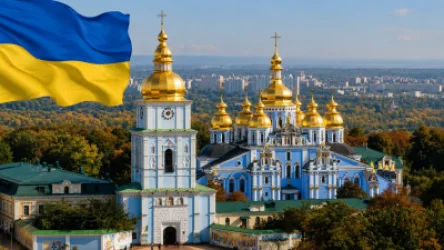
Ուկրաինայում ուղղափառ եկեղեցու քահանային բերման են ենթարկել և տարել զորակոչի

ՏԵՍԱՆՅՈՒԹ. Ընտանեկան և կենցաղային բռնnւթյան մասին ՆԳՆ ոստիկանություն ստացված հաղորդումները 78-ով ավելացել են