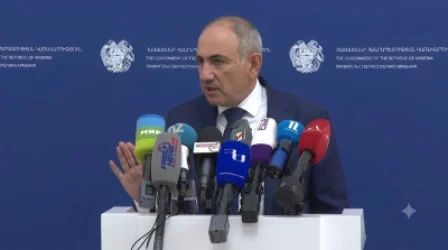
What Are Treaties and International Agreements: Simonyan's Commentary

All those who attempt to engage in a professional debate, and those who have tried to open this debate, must remember that when I speak, especially in public, I always have at least one or two substantiated pieces of evidence/arguments to support my claims. This was mentioned on Telegram.
“So, is there a legal distinction between a peace treaty and a peace agreement? What are treaties and international agreements?”
The Vienna Convention on the Law of Treaties defines a treaty as “an international agreement concluded in written form between states and governed by international law, whether embodied in a single instrument or in two or more related instruments and whatever its particular designation.” Treaties can be called by various names, including international conventions, international agreements, pacts, final acts, charters, memoranda of understanding (MOUs), protocols, accords, and the constitutions (charters) of international organizations. Generally, these different names do not have legal significance from the perspective of international law; that is, the name of the document is not essential for determining its status as a treaty.
Treaties can be bilateral (between two parties) or multilateral (among several parties), and they are usually binding only on the parties that have signed the treaty. An agreement “enters into force” when the necessary conditions for its entry into force, as specified in the treaty, are fulfilled. Bilateral treaties typically come into effect on the day both parties agree to their implementation,” he noted.
Նմանատիպ հոդվածներ
Ավելին Politics բաժնից
Անահիտ Ավանեսյանը ցանկանում է շարունակել ղեկավարել առողջապահության նախարարությունը
Նախարար Ավանեսյանի ցուցումով չէ Էդգար Ղազարյանի քրոջ աշխատանքից ազատումը
ՏԵՍԱՆՅՈՒԹ․ «Եթե ազատ հոսքը չկա՝ ԵԱՏՄ չկա… էհ, չի լինի չի լինի». Փաշինյան