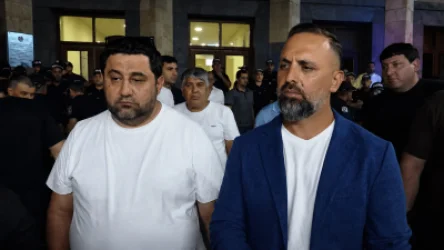
Statement of the Armenian Ministry of Foreign Affairs Regarding Prisoners Held in Baku
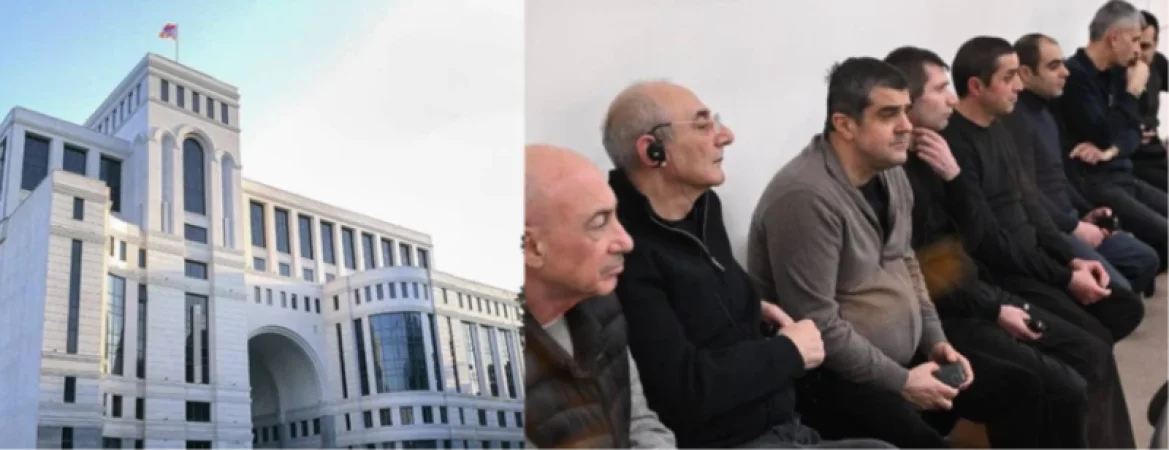
The Armenian Ministry of Foreign Affairs has issued a statement concerning the trials of the military and political leadership of the Republic of Artsakh and other prisoners held in Baku.
“The Ministry continues to draw the attention of the international community, particularly partners concerned with peace in the region and humanitarian values, to the issue of the release of Armenian military prisoners, hostages, and other detained individuals in Azerbaijan, as well as the staged trials involving them, which are marked by gross procedural violations and shocking signs of torture,” it stated.
The Ministry expressed deep concern regarding the publications containing video recordings and photographs of the “trials” of 23 Armenian military prisoners, hostages, and other detainees, including information released by the lawyers of Ruben Vardanyan, who is on hunger strike, about the influence, torture, and clear deterioration of the health of the detained individuals.
This type of conduct is also evidenced by the concerns expressed by the UN Committee Against Torture, incidents of torture documented by Human Rights Watch and other organizations involving Armenian military prisoners, as well as the Azerbaijani authorities’ avoidance of coordinated cooperation with international bodies, including the European Committee for the Prevention of Torture and Inhumane or Degrading Treatment or Punishment.
The Armenian government continues to receive reports regarding the application of prohibited methods against Armenian military prisoners, hostages, and other detained individuals.
Armenian military prisoners, hostages, and other detainees are unlawfully held in Azerbaijan, contrary to the commitments and international obligations undertaken by that country. The detention and persecution of Armenian military prisoners, hostages, and other detained persons constitute a gross violation of international humanitarian law and fundamental human rights; the relevant international documents include the Universal Declaration of Human Rights, the International Covenant on Civil and Political Rights, the Convention Against Torture and Other Cruel, Inhumane or Degrading Treatment or Punishment, the Geneva IV Convention (1949), and the European Convention on Human Rights.
It is evident that the Azerbaijani authorities are using this judicial staging as a tool for political pressure on the Republic of Armenia and manipulation of society, considering the sensitivity of the issue for every family member and the entire community.
Particularly noteworthy is that these processes take place amid ongoing propaganda of ethnic hatred against Armenians in Azerbaijani media.
Above all and foremost, any comprehensive resolution of a conflict involves the preparation of peoples for peace, and the additional and artificial prolongation of unresolved humanitarian issues at least does not serve that purpose and only diminishes its likelihood. This understanding has been repeatedly emphasized during discussions with Azerbaijan, as well as by various partners and organizations on different international platforms.
In the context of the refusal to address the issue conclusively, Armenia cannot remain indifferent and disengaged; hence, it will continue to raise the matter on various platforms and formats, hoping for solutions and positive progress.”
Նմանատիպ հոդվածներ

Ավելին Politics բաժնից
ՔՊ-ի պատգամավորների վերջնական ցանկը հայտնի է․ ովքեր կմտնեն 9-րդ գումարման ԱԺ
Զելենսկին պաշտոնանկ արեց Սիրսկուն, Ուկրաինայի ԶՈւ-ն նոր գլխավոր հրամանատար ունի․ ով է նա

Ուկրաինայում կարտադրվեն բրիտանական նոր զինատեսակ` L119 հաուբիցներ