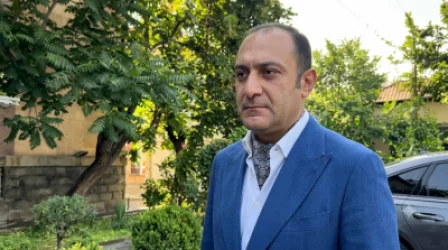
Deputy Foreign Minister on Relations with the USA

The strategic partnership agreement signed between Armenia and the United States serves as an institutional mechanism that is not dependent on the political team in power in Washington or various political factors occurring in the U.S.
This was stated by Paruir Hovhannisyan, the Deputy Foreign Minister, in an interview with a correspondent from Armenpress. He emphasized that the Armenian-American strategic document signed on January 14, 2025, in Washington has both significant political and practical importance, and the establishment of a bilateral strategic dialogue format occurred during the previous administration of President Donald Trump.
According to the Deputy Foreign Minister, raising the level of relations between Yerevan and Washington will allow for a more favorable and progressive partnership with the current administration.
During the interview, Deputy Foreign Minister Hovhannisyan also addressed the current geopolitical situation surrounding Armenia, the relations between Armenia and the European Union, Armenia-Russia ties, and the ongoing negotiations between Yerevan and Baku regarding the normalization of relations.
- Mr. Hovhannisyan, how would you assess the current geopolitical situation surrounding the Republic of Armenia, particularly in the regional context?
- The year began with very intense processes, related not only to the new administration taking power in the United States but also to various other developments. It was noticeable that the Ministry of Foreign Affairs was also engaged in a number of activities from the first days of the year to ensure Armenia’s involvement. The year was marked by the activation of Armenian-American and Armenia-EU relations, with both the visit of the Minister of Foreign Affairs to Washington and discussions held in Yerevan with various EU delegations.
The year started very actively on multilateral platforms as well. We had the unprecedented visit of the speakers of the Nordic-Baltic parliaments for the first time, which followed a meeting with the foreign ministers of those countries in Malta at the end of 2024. The visit of the Kyrgyz Foreign Minister also took place after many years, and we observed a rise in activity in several international organizations.
The year and the geopolitical situation can be described as full of challenges but at the same time offering new opportunities. How successfully we will be able to seize these new opportunities will take time to show, but we are making efforts to ensure Armenia's interests and try to be active in all directions.
In 2024, many significant events occurred in Armenia's foreign policy, particularly concerning the deepening and activation of Armenia-EU partnership and the efforts exerted by both sides in this direction. Mr. Deputy Minister, how would you characterize the current dialogue between Yerevan and Brussels? What processes are expected in the near future regarding the economic sector, and what about the EU observers in Armenia, whose mandate was recently extended by Brussels for another two years?
- Perhaps we haven’t had such an intense period with the European Union. It began with the speech of the Prime Minister of Armenia in the European Parliament in October 2023, where he announced that Armenia is ready to come closer to the European Union as much as the EU is ready to do so. This was followed by supportive statements from the EU and the initiation of processes aimed at raising the level of our relations with the EU.
The main direction is the creation of a new partnership agenda, and these negotiations are expected to conclude in the coming weeks. However, alongside that, some other important developments also occurred. You mentioned security; the EU has never held such a significant role for us. Now, through the presence of EU observers at our borders, new formats such as political and security dialogues, which are new mechanisms, are emerging, making the EU a very important partner for us in the security sector.
Let’s also mention the European Peace Facility, which we are already benefiting from, and whose decision was made in July 2024, along with another very important decision regarding the start of negotiations on visa facilitation. We have been trying to ensure this for many years, and you know how reserved some partners are regarding issues related to migration. However, we managed to secure the adoption of that decision, and substantive negotiations on visa liberalization began in December.
During the same year, we joined Eurojust and Europol organizations, which are important tools for justice and fighting crimes. Close cooperation with the European Parliament continues, and, of course, this year we will sign a new partnership agenda. We are expecting high-level visits to both Brussels and Yerevan. Of course, this dynamics will be maintained and developed.
The EU remains our most significant donor and supporter regarding democratic processes. Our bilateral relations with numerous EU member states are developing at a rapid pace. The decision to extend the EU observer mission’s activity in Armenia for another two years was very important; the observer mission plays a significant role in our security process. The monitoring of our borders has not only contributed to reducing incidents but has also significantly raised the level of awareness in Brussels and other European capitals. Now, the situation is viewed through the eyes of an impartial observer. This plays a significant role in boosting the confidence level of the population in our border areas.
This mission also supports several of our projects regarding infrastructure activities; for example, the flight to Kapan airport is also monitored by observers. We value this (referring to the EU observer missions in Armenia) greatly, and we responded immediately at the level of the Foreign Minister and are ready to cooperate closely with the observers.
- Mr. Hovhannisyan, apart from the expansion of Armenia-EU relations, it is also noteworthy that there has been unprecedented development in Armenian-American relations. In January of the current year, Armenia and the USA signed a strategic partnership document. What does this entail, and what expectations can Yerevan have from this document? How realistic is its implementation considering the change in the U.S. administration?
- Indeed, alongside the European Union, the year has been very intense in terms of developing Armenian-American relations. Armenia and the United States had already elevated the level of relations in 2019 and were working within the format of strategic dialogue. In June of last year, it was decided within the framework of that dialogue to elevate the level of relations to that of strategic partnership and to create a strategic partnership commission.
This was preceded by meetings of relevant working groups, and throughout the summer of 2023, we had unprecedented visits from various delegations, starting from decentralized cooperation, including several visits by Congress members, and so on. Truly, the culmination of this process was the signing of the strategic partnership charter in Washington, which formalizes the elevation of the level of relations. The document outlines the four main directions through which cooperation should be deepened. These include economic cooperation, opening new opportunities for trade diversification and supporting Armenia's resilience, security and defense sectors, where we had joint exercises last year and the year prior.
During the signing, U.S. support for our border control capabilities was noted, and various other areas of support from the U.S. will also increase. The third direction includes democracy and justice, where the U.S. has always been one of our most important partners, providing long-term support to Armenia. The final direction covers people-to-people contacts, related to humanitarian, educational, cultural, and other programs, which are also vital in the context of the traditional friendly relations between the two countries.
The document holds both significant political and practical importance. You might ask: why with the outgoing administration? You know, this strategic dialogue format was established during President Donald Trump's first administration, and these processes are not dependent on the presence of one political team or another in Washington; these are institutional mechanisms that are not directly influenced by various political factors. On the contrary, this elevation of relations allows us to begin our partnership with the new administration from a much more favorable and advanced position.
It is known that in the last month or two, a transition team was formed in Washington, and of course, both the outgoing and new administrations coordinated on all external and other crucial issues. It is natural that such document signings were also coordinated with the new administration. There were also several other decisions adopted: the start of negotiations in the energy sector, which will certainly take place with the new administration, and naturally, they were coordinated as well. Armenia also joined the alliance against the Islamic State, which has always been one of the key areas for our joint fight against terrorism, and we are confident that our cooperation will continue to develop with the new administration as well.
Thus, this step was aimed at continuing our cooperation with a much stronger foundation with the new administration. There is also a visit from the Prime Minister to Washington, and I believe that thanks to all these efforts, we will continue the unprecedented dynamics of the past year.
For more details, please visit the original source.
Նմանատիպ հոդվածներ
Ավելին Politics բաժնից
ԱՄՆ-ն կարող է ամբողջությամբ դադարեցնել ապաստանի դիմումների ընդունումը՝ հայտարարում են Սպիտակ տանը
Ալեն Սիմոնյանի ուղերձը Ռուբինյանին
ՍԴ որոշումն անմիջականորեն առնչվում է «Քաղաքացիական պայմանագրի» շահերին. Գրիգորյան