Azerbaijan Seems to Be Planning More Aggression Against Armenia: Media
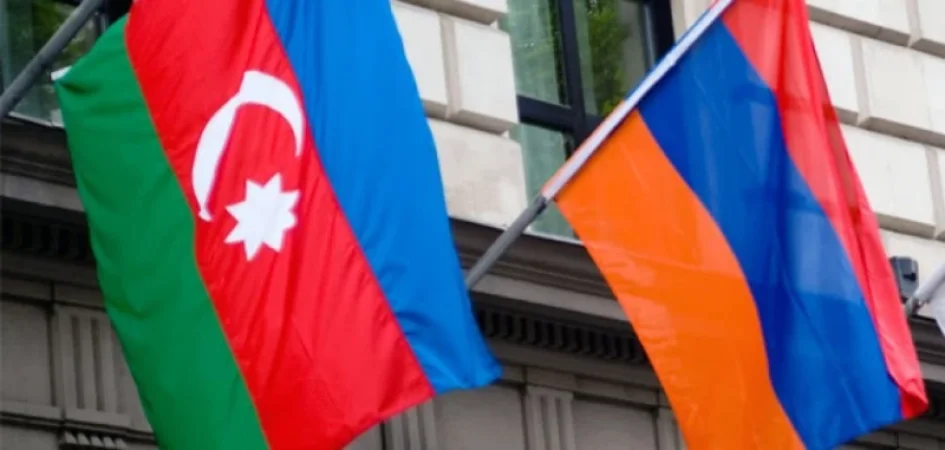
Azerbaijan has shown that its ambitions extend to the sovereign territories of Armenia, particularly focusing on the seizure of the so-called 'Zangezur Corridor' in southern Armenia's Syunik region, The Jerusalem Post has reported.
The article notes that Israel's strategic partnership with Azerbaijan has been crucial in its foreign policy in the South Caucasus. However, Azerbaijan appears to be planning more aggression against Armenia, which does not align with Israel's interests.
According to the report, Baku’s regime sells oil to Israel, purchases Israeli weapons, and offers advanced bases to monitor and counter Iran. This alliance has proven invaluable for Azerbaijan during the conflict with Armenian-populated Nagorno-Karabakh, where Israeli weapons have been used in operations leading to Azerbaijan's decisive victory and the ethnic cleansing of 120,000 Armenians in September 2023.
Recently, Azerbaijan has indicated that its claims extend to Armenia's sovereign territories as well. The so-called 'Zangezur Corridor' would create a land bridge to Azerbaijan’s ally Turkey, in turn boosting President Recep Tayyip Erdoğan's ambitions. While Ankara is engaging in courting Russia, it also has obligations as a NATO member.
The article also reminds readers that Aliyev has accused Armenia of having a 'fascist ideology' for 30 years and being a 'threat to the region.' He asserts that 'fascism must be eradicated... It will destroy either the leadership of Armenia or us. We have no other option.'
'Azerbaijan's attack on Armenia would be an aggression that Israel should neither help nor support. Such a move against Armenia would not only prolong Aliyev’s territorial consolidation but also violate Armenia's sovereignty and fundamentally alter the regional balance to directly benefit Turkey. By connecting Azerbaijan with Central Asia through this corridor, Turkish influence in the entire region would expand,' the article states.
It is noted that Turkey pursues expansionist sentiments under the guise of anti-terrorism and stability. Erdoğan's support of Islamist militias in Syria has bolstered Turkey's influence there, especially in the northwest. Through these proxies, Ankara has displaced the Kurdish population, undermined Kurdish autonomy, and strengthened extremist groups while avoiding direct military confrontation.
Erdoğan’s neo-Ottoman vision is not limited to Syria. During the 2020 Nagorno-Karabakh war, Turkey sent Syrian mercenaries to fight alongside Azerbaijani forces, a tactic demonstrating Ankara's use of Islamist militants as a tool of foreign policy. This foreign policy is evidently hostile toward Israel, as Erdoğan’s steadfast support for Hamas and ambiguous threats toward Israel underline the dangers of Ankara's growing power.
The Jerusalem Post highlights: 'Armenia, for its part, is trying to break its dependency on Russia and move toward the West. Attempts to seize the Zangezur Corridor threaten to destabilize this trajectory, pushing Armenia back into Moscow's orbit while strengthening anti-Western forces within the country—yet another development Israel should not welcome. Losing this corridor would also destroy Armenia's sovereignty and territorial integrity, signaling to other authoritarian regimes that aggression against weaker neighbors will remain unchecked.'
Examples of Ankara undermining NATO unity include Erdoğan’s purchase of Russian S-400 missile systems, flouting Western sanctions on Moscow, and aggressive operations in the Eastern Mediterranean. Turkey's actions also pose challenges to U.S. interests in the region; Erdoğan's escalating rhetoric against Syrian Kurds, who are key U.S. allies in fighting ISIS, and his operations with Azerbaijan threaten to destabilize an already volatile region.
Seizing the Zangezur Corridor would embolden Turkey and create new challenges for NATO, the United States, and regional actors like Israel. The Zangezur Corridor also holds strategic importance for Iranians, providing a crucial route for trade, travel, and cultural exchange with Armenia. The more moderate Iranian government may seek to reintegrate into the global community in the future, and access to Armenia could be significant. This scenario presents an opportunity for the U.S. and NATO to reaffirm core values and hold Turkey accountable for its rogue behavior. For Israel, supporting the seizure of the Zangezur Corridor would cross a dangerous line; Israel must resist this step while balancing its strategic alliance with Azerbaijan and taking a principled stance against Turkish abuses.
Նմանատիպ հոդվածներ




Ավելին Politics բաժնից

ԸԸՀ անդամներն աշխատավարձ չեն ստանա․ «Հրապարակ»
Իրավիճակը տարածաշրջանում շարունակում է լարված մնալ

Ինչի՞ կարող է հանգեցնել ՌԴ–ի կողմից ընտրությունների արդյունքների մերժումը