Ocampo on the Trial of Former Leaders of Artsakh
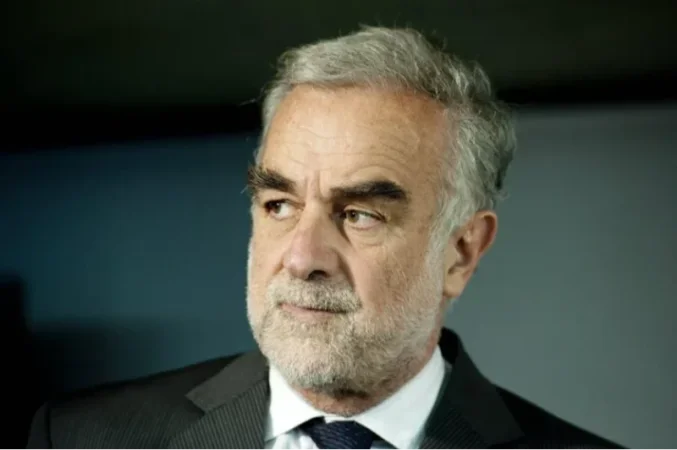
On January 17, a trial will begin in Baku for former Artsakh President Araik Harutyunyan and former State Minister Ruben Vardanyan, who have been held in Baku for over a year. NEWS.am conducted an interview with former Chief Prosecutor of the International Criminal Court Luis Moreno Ocampo on this topic.
Mr. Ocampo, a sham trial of Armenian prisoners of war, including leaders of Artsakh, is about to start in Baku. Azerbaijan has made numerous false accusations against them, threatening long-term imprisonment, and Ruben Vardanyan faces life imprisonment. What is Aliyev's objective?
This is a cover-up of committed crimes. Aliyev has committed genocide or at least crimes against humanity against the people of Nagorno-Karabakh by first starving them, then keeping them in fear, and forcing them to leave their ancestral lands, and now he is finishing off the leaders of Nagorno-Karabakh by imprisoning them. This is similar to what happened in 1915. This is what Stalin was doing in Russia in the 1930s. In the Soviet Union, Stalin used sham trials to cover up his crimes, killing his enemies. Aliyev has learned this; as you know, his father was trained in the KGB, so he employs the same tactics, using certain trials to cover up genocide.
Mr. Ocampo, Ruben Vardanyan's legal team has stated that the case materials, which comprise over 400 volumes, are written in Azerbaijani without proper translation, and international lawyers have been denied entry to Baku. Despite all these violations, the trial will begin tomorrow. What actions should be taken to raise global awareness regarding this case and ensure international professional representation at the hearings? What needs to be done for the release of the prisoners?
This is not a trial. There are no trials in Azerbaijan; there is no independent judicial system or independent judges. All institutions, including the State Department, say so. Therefore, they will be condemned. This is not a trial; this is a puppet show orchestrated by Aliyev.
So, what should the international community do to put a stop to Aliyev?
First of all, the denial of genocide is a very important and serious issue. Even Armenians do not speak about genocide. How is that possible? Look, what happened to the people in Karabakh, if Aliyev intended to exterminate them, that is genocide. If not, then it is persecution and a crime against humanity. In either case, what has occurred cannot be ignored, and that is what we are doing. We are ignoring that these people are victims of international crimes. Therefore, it is time to put this on the agenda. We must demand that people return to their homes, and that the prisoners are released immediately. These people in prison are hostages. They are being held there as a message to the people of Nagorno-Karabakh: do not return, if you return, you will be imprisoned or killed. The end. Therefore, our response must be very clear. This is not a trial. It is about genocide or crimes against humanity committed against the people of Nagorno-Karabakh and the 23 individuals held in Baku's prisons.
However, we cannot say that the international community is responding appropriately at this time.
Well, that is an issue, not because mainstream media, international media generally struggle to understand these issues. If you recall, in 1938, a New York Times correspondent considered Stalin's show trials were not fake. So this is a tradition. It is important to at least understand what is happening in Armenia and then spread that understanding beyond Armenia. This means the Armenian people themselves must discuss and realize that this genocide cannot be ignored; calling it anything less is a major mistake. The people of Nagorno-Karabakh are in shock, and you need to help them recognize that what has happened to them is an international crime, that they have rights, that they should return, and that their leaders should not be in prison. So at the very least, Armenian media should speak about this reality.
What do you think? Does Azerbaijan’s leader Aliyev feel as if his hands are free at this moment?
In my opinion, the issue is not just Aliyev, but what the Armenians are doing as well. The authorities, I understand, are constrained, engaged in negotiations, cannot say much, but the media in Armenia and the diaspora need to be clearer, more active. We did a lot at COP 29. We really managed to get across the message that the people of Nagorno-Karabakh are victims, that those in Baku’s prisons are victims of crimes. Now we need to return to this point and create opportunities for international media to understand that this is not a trial. It is about covering up crimes with a sham trial. There are no trials in Azerbaijan; the judges are not judges; they are Aliyev's puppets.
For the Armenians of Nagorno-Karabakh, do you think there is a real opportunity for return?
The truth is the first step to healing people and then making their return possible. Yes, the truth is important.
Thank you, Mr. Ocampo.
Let us remind you that there are still 23 Armenians held in Azerbaijani prisons, including 16 individuals captured following Azerbaijan's military assault on Artsakh on September 19, 2023. Among those captured are former presidents of Artsakh Arkadi Ghukasyan, Bako Sahakyan, Araik Harutyunyan, National Assembly President David Ishkhanyan, former State Minister Ruben Vardanyan, former commander of the Defense Army Levon Mnatsakanyan, former deputy commander of the Defense Army David Manukyan, and former Foreign Minister David Babayan.
Նմանատիպ հոդվածներ
Ավելին Society բաժնից
Նոր մանրամասներ Ջրաշենի նախկին ղեկավարի ու նրա ծնողների դանակահարության դեպքից
Դանակահարել են Ջրաշենի նախկին վարչական ղեկավարին ու ծնողներին. նրանք ծանր վիճակում են
Կիևյան կամրջի շուրջ նոր ապատեղեկատվություն է տարածվում. պարզաբանում քաղաքապետարանից