This Means There Are No Heroes Among the Living: Pashinyan
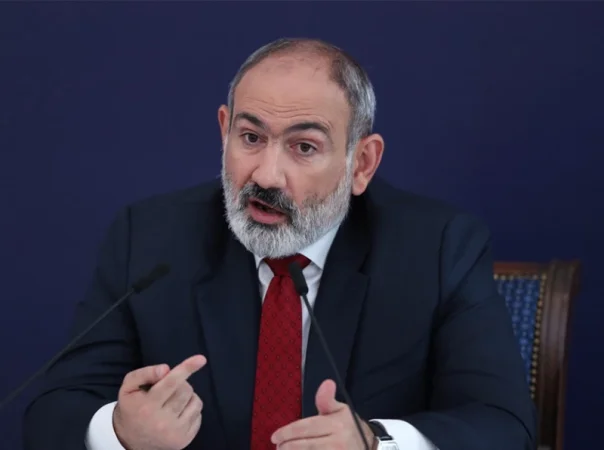
Prime Minister Nikol Pashinyan made a post on his Facebook page, stating, "My thesis is that heroism should be normalized. According to our average perception, a hero is a person of exceptional behavior, thought, and environment. It seems that this understanding elevates the hero. And yes, in this understanding, we elevate the hero, but to such an extent and in such a way that this height is distant, meaning it is inaccessible for us, for others. The hero is so elevated that others cannot reach that place because they are ordinary people with ordinary behavior, ordinary thought, and ordinary surroundings. Heroism is inaccessible for the average citizen. This perception has its subsequent manifestation: the hero is the deceased. In nearly all my posts and speeches on heroism (on social media), the comments that receive a lot of likes state that the heroes are in Yerablur. No one disputes that there are heroes in Yerablur, but when we say that the heroes are in Yerablur, it means that there are no heroes among the living. From this perception arises the theory of despair: if the best, the heroes, no longer live, to what extent is the aspiration to live justified and moral for any member of society?
This perception can also mean that we will either have no heroes anymore, or to have heroes, we need a war where casualties will be inevitable, and we will "comfortably" fill our pantheon of heroes. This is understandably incorrect, unacceptable, and a pathway to destruction. To turn back from this path, the perception of heroism must be brought closer to ordinary people, to everyday, normal life. We must understand that one can be a hero in work, education, creativity, everyday behavior, and conduct. There should be other formulas for heroism in daily life, for example, paying a lot of taxes, creating many jobs, doing good deeds, helping others selflessly, keeping the environment free of garbage, making one's home pleasant in the eyes of the environment, and so on; thousands of cases can be mentioned.
The deeper goal and meaning of this is the normalization of heroism and the heroic valorization of everyday life, so that heroism becomes accessible to everyone and is compatible with life. And where does the protection of the homeland—of the state—stand? It has intensified. Because when heroism is not just for others, for special people, but for all, desertion from the army will be shameful, and the silence that often surrounds it will no longer be legitimized with the saying, ‘we are not heroes. Heroes are special people who are in Yerablur. I am not in Yerablur, what kind of hero am I? So please, take away my citizenship of the Republic of Armenia and my children’s, so we don’t have to go to the army. Where do I fit in, where does heroism go?’ No, the hero is not someone else; the hero is you! And you and I must become heroes in education, work, legal behavior, lifestyle, and conduct. We hope there will be no need to sacrifice for the homeland, but if there is, yes, we must also sacrifice for the homeland, and when we have already glorified heroism in our life, we will not think that I am not a hero, that heroism is distant and is someone else's task, not mine.
In this case, my readiness to sacrifice will not be to become a hero but to defend my lived heroism. This fact will produce a deep awareness, and the defense will be more effective, because there will not be a burdensome load placed on a few heroes. And when you will have glorified heroism in peaceful life, defending peace will be synonymous with defending your homeland—your state—and the only option for heroism will not be to fight and to die, with the perception that there is nothing heroic in peace and living. There are countless heroic things in peace and living, and we must first know this and then realize it. This is my thesis on normalizing heroism and heroicizing everyday life."
Նմանատիպ հոդվածներ
Ավելին Politics բաժնից
Պատրաստ ենք բոլոր սցենարներին. «Ուժեղ Հայաստան»
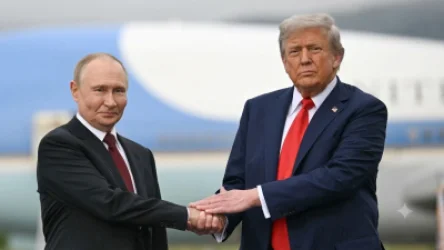
Պուտինը շնորհակալություն է հայտնել Թրամփին Զելենսկու պահելաձևի վրա «աշխատելու» համար
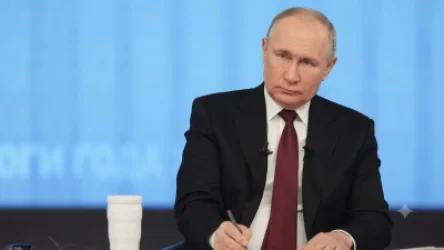
Պուտինը` Զելենսկու բաց նամակի մասին