Today Marks the Winter Solstice: What to Expect from Tomorrow, by Gagik Surenyan
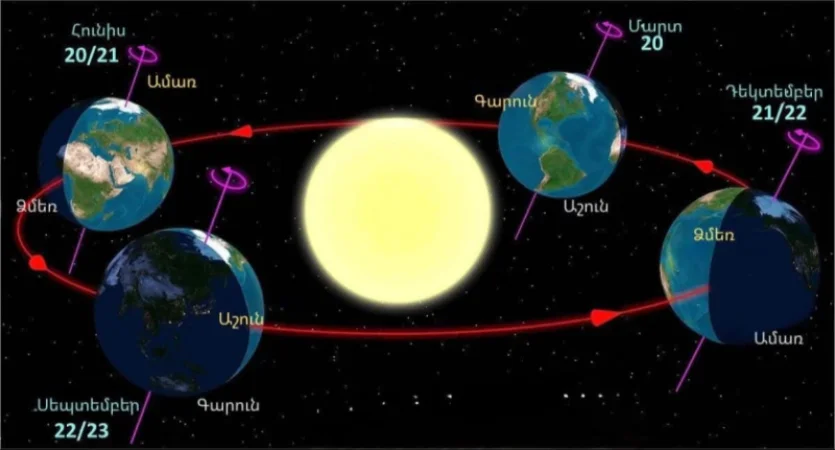
The Deputy Director of the Hydro-Meteorological and Monitoring Center of Armenia, Gagik Surenyan, announced on Facebook that today is the winter solstice. Starting tomorrow and up until June 21, the duration of daylight will increase by about one minute each day.
The Hydro-Meteorological and Monitoring Center provided additional details about this phenomenon. The winter solstice occurs every year on December 21 or 22. On this day, the sun is at its greatest angular distance from the celestial equator, and in the Northern Hemisphere, the altitude of the sun above the horizon reaches its minimum.
During December 21 and 22 in the Northern Hemisphere, the solar rays are at their lowest position, resulting in several interesting consequences: shorter days and longer nights; the shortest duration of daylight occurs during the winter solstice as the sun appears less frequently in the sky.
Additionally, due to the low angle of the sun, direct solar rays strike the Earth's surface at a reduced angle, diminishing solar radiation intensity. This leads to a drop in temperature, causing the cold winter weather.
Moreover, the low angle of the sun also reduces the level of ultraviolet radiation. The winter solstice has also played an important role in various cultures and religions.
In the mountains and rural areas of Armenia, many celebrate this day as a special holiday associated with seasonal changes, officially marking the beginning of the winter season. The ancient Romans celebrated the festival of Saturnalia, characterized by abundance and merriment. The ancient Egyptians linked it to their deities. Some Scandinavian countries celebrate the Yule festival, which involves bonfires, food, and music.
Many well-known archaeological structures were built to align with the winter solstice. For example, Stonehenge, the English stone monument, is positioned so that the sun appears in a specific alignment during the winter solstice. Understanding these alignments can deepen our knowledge of how celestial phenomena impact life on Earth.
The winter solstice in Armenia will take place on December 21, 2024, at 13:20:30 local time.
Նմանատիպ հոդվածներ


Ավելին Society բաժնից

Դանակահարել են Ջրաշենի նախկին վարչական ղեկավարին ու ծնողներին. նրանք ծանր վիճակում են

Կիևյան կամրջի շուրջ նոր ապատեղեկատվություն է տարածվում. պարզաբանում քաղաքապետարանից

Ուրիշ տղամարդու կողքին չէի կարող նստել, ամուսնուս վարորդ եմ ընդունել. Արմինե Կոլյան. «Հրապարակ»