We Can Organize the Transit of Armenian Goods Through Azerbaijani Territory, Says Mirzoyan
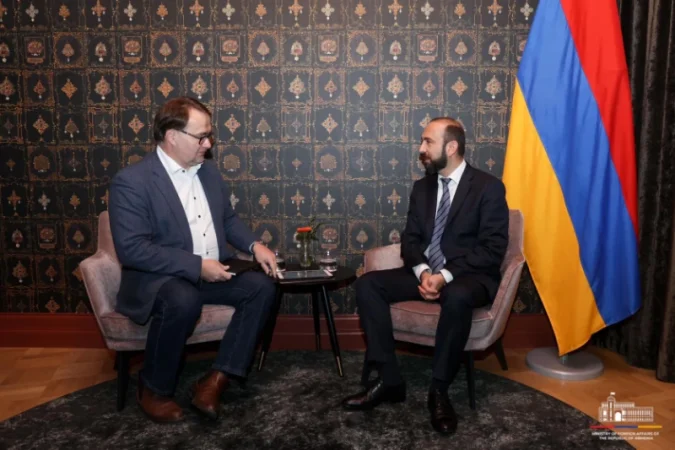
During his visit to Finland, Armenian Foreign Minister Ararat Mirzoyan gave an interview to the local news agency "Lännen Media," which resulted in an article titled "We Want to Get Closer to Finland and Other Democratic Countries" published in four Finnish newspapers.
During the conversation, discussing the process of normalizing relations with Azerbaijan, Minister Mirzoyan highlighted the positive news regarding the progress in the delimitation process. He stated, "Overall, we have a border and we know where it is. It is based on the 1991 Almaty Declaration, which was signed by the former Soviet republics and transformed administrative borders into state borders. Of course, the commissions of the two countries should work together towards further delimitation and clear demarcation."
Referring to delimitation as a guarantee of future stability, Minister Mirzoyan pointed out, "As far as any guarantees are possible these days, having a clearly delineated border is a very strong mechanism." In the context of the opening of communications, he mentioned that Armenia and Azerbaijan could arrive at solutions acceptable to both sides. "We can organize the transit of Armenian goods through Azerbaijani territory and vice versa for Azerbaijani goods through Armenian territory. In the first phase, we can resume rail transit and gradually expand it."
Regarding the third component of the normalization of relations between Armenia and Azerbaijan, the signing of a peace agreement, Minister Mirzoyan noted: "Now, we have agreement on 15 out of 17 articles. I believe we could finalize and sign the agreement even before the COP29 climate summit held in Baku. Unfortunately, that did not happen, but now we are ready to do it on a tight timeline. One can say this is a moment of hope. I would say we are very close. But despite the tragic past of our two states and societies, there is an opportunity to turn the page on enmity. The past has been difficult. It is hard to comprehend, forget, and forgive, but enough blood has been shed in our region, and now we have the chance to look towards the future."
Commenting on the internal political crisis in Armenia following the 2020 war in Nagorno-Karabakh, Minister Mirzoyan stated: "The country's Prime Minister, government, and political team decided to hold early parliamentary elections. We turned to the people and asked two questions—do they support deeper democratic reforms and a peace agenda, that is, the government’s policy? We received a significant majority of votes again. In the 2026 elections, we will ask that question again, although polls also show support for the government’s policy. Currently, we are focused on strengthening our country's security, sovereignty, and territorial integrity. On the other hand, we are focused on the prosperity of our country, ongoing modernization, and democratization. And this, of course, brings us closer to Europe and the value-based choices similar to yours.
At the same time, with due respect to procedures and rules, perhaps it is time to act differently than in the "business as usual" mode. This can refer to geopolitical decisions as well as decisions of domestic significance. The world is changing. Perhaps it is time to make bold political decisions."
Նմանատիպ հոդվածներ
Ավելին Politics բաժնից

Մելոնին դատապարտել է իր մասնակցությամբ ԱԲ-ով ստեղծված սկանդալային տեսանյութը .RaiNews
Պուտինի և Թրամփի մեջբերումները իմ սրտին մոտ եմ պահում. Լավրով
Անդրանիկ Թևանյանի կալանքը երկարաձգվեց 2 ամսով